Nigel Farage Pledges to Maintain State Pension Triple Lock
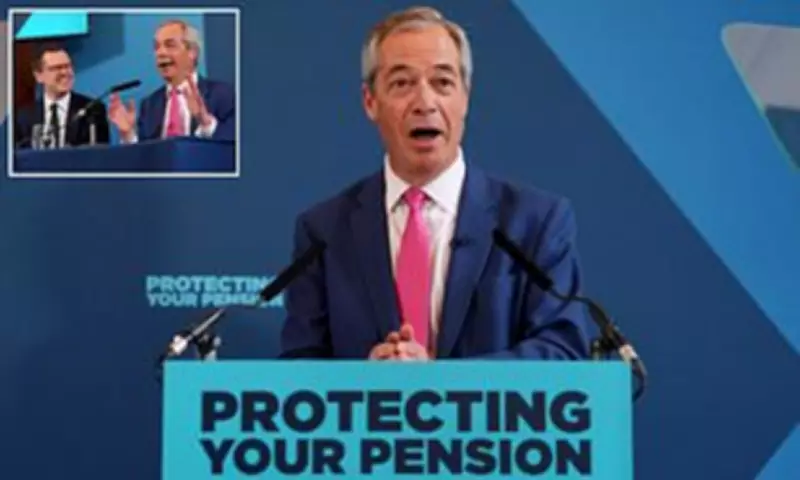
Nigel Farage has declared that the state pension triple lock will remain intact if he becomes prime minister, ending months of internal debate within Reform UK over the policy's future. Speaking at a press conference in central London, the Reform leader confirmed the party's resolution to preserve the guarantee, which ensures pensions rise by the highest of average earnings growth, inflation, or 2.5 per cent annually.
Internal Wrangling Resolved
This announcement follows earlier signs of division within Reform, with Farage previously describing the triple lock's future as "open for debate," despite Treasury spokesman Robert Jenrick's vocal support. Economists have expressed concerns about the policy's financial sustainability, citing the UK's aging population and increasing life expectancy. However, Farage asserted that Reform has thoroughly discussed and debated the issue, concluding that the triple lock "is going to stay."
"When I said the jury's out on the triple lock and what we would decide to do... what I meant was the jury's out. Not that I'd made my mind up either way," Farage explained. "And we have discussed it, and we have debated it, and we've decided it's going to stay."

Funding Through Benefit Cuts
Farage justified the decision by highlighting that Reform can afford the triple lock "many, many times over" through proposed reductions to Britain's welfare bill, which the party plans to unveil soon. He cited three key reasons for keeping the policy: protecting older pensioners disadvantaged by the current system, rewarding those who have worked and paid into the system, and aligning with Reform's identity as the party of "alarm clock Britain."
"The third and most decisive reason is that within the next two weeks, we are going to announce the biggest cuts to the benefits bill ever seen in the history of this country," Farage stated. "So when questions get asked in a minute, how can you afford it? Well, we can afford it many, many times over."
Targeting Civil Service Pensions
While committing to the triple lock, Reform will review "gold-plated" defined benefit pension schemes for new civil servants, which Jenrick noted have been phased out in the private sector. He announced a review into the long-term sustainability of allowing new entrants to these public sector schemes, describing them as the government's second-largest financial liability.
"Is it right that members of Parliament or tube drivers starting their jobs this year get a right to a gold-plated pension in 2060 or 2070 when ordinary retirees have to worry about next year?" Jenrick questioned. He added that Reform will later propose a plan to protect current public sector workers while assessing which defined benefit schemes should remain open to new entrants.
Political and Economic Context
The triple lock, in place since 2011, has led to pension increases significantly outpacing the broader economy, especially during inflation spikes. This month, pensions are set to rise by 4.8 per cent. Labour has also committed to maintaining the lock for this Parliament, but experts warn of the growing burden on the Treasury amid financial pressures. Alternative proposals have included setting pensions at a fixed proportion of average earnings or adopting a "double lock."
Farage's announcement positions Reform UK as a defender of pensioners' interests while targeting public sector pensions for reform, setting the stage for a contentious debate over fiscal responsibility and social equity in the lead-up to the general election.