Farage Branded Hypocrite in Labour Activist Suspension Row
Labour has suspended activist Arshad Khatana following allegations from Reform UK regarding his alleged extremist views and connections to Chancellor Rachel Reeves. The controversy has escalated with Nigel Farage being labelled a hypocrite by Labour after it emerged he met Khatana at an interfaith event in 2013.
Allegations Against Khatana and Labour's Response
Reform UK's Treasury spokesperson, Robert Jenrick, accused Arshad Khatana of sharing videos that glorify terrorists, making anti-Islam statements, and promoting conspiracy theories, including claims about 9/11 and a so-called 'lending mafia'. Labour has defended its swift action in suspending Khatana, stating that Chancellor Rachel Reeves was unaware of the 'abhorrent views' he is accused of holding. Reeves has been photographed with Khatana on multiple occasions and visited his home, but Labour insists she had no knowledge of his alleged extremist activities.
Farage's Involvement and Hypocrisy Claims
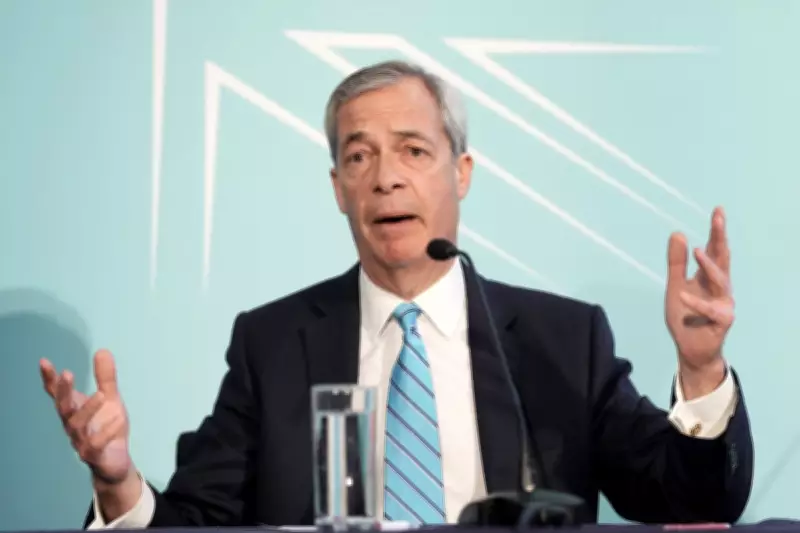
Nigel Farage was pictured meeting Arshad Khatana at an interfaith event in 2013, which has prompted Labour to accuse him of hypocrisy. Labour argues that Reform UK's criticism of Reeves for her association with Khatana is inconsistent, given Farage's own past interaction with the activist. This has led to a heated exchange between the parties, with Labour highlighting what it sees as a double standard in Reform UK's approach to addressing extremist links within political circles.

Contrast in Party Actions
Labour has emphasised its prompt suspension of Khatana as evidence of its commitment to tackling extremism, contrasting this with what it alleges is Reform UK's failure to address similar issues within its own ranks. The party claims that while Labour acted decisively upon learning of the allegations, Reform UK has been slow or ineffective in dealing with comparable concerns among its members, further fueling the debate over political integrity and accountability.
This incident underscores ongoing tensions between Labour and Reform UK, with both sides using the situation to criticise each other's handling of extremist associations. The fallout may impact public perception ahead of future elections, as voters scrutinise how parties manage internal disciplinary matters and external accusations.