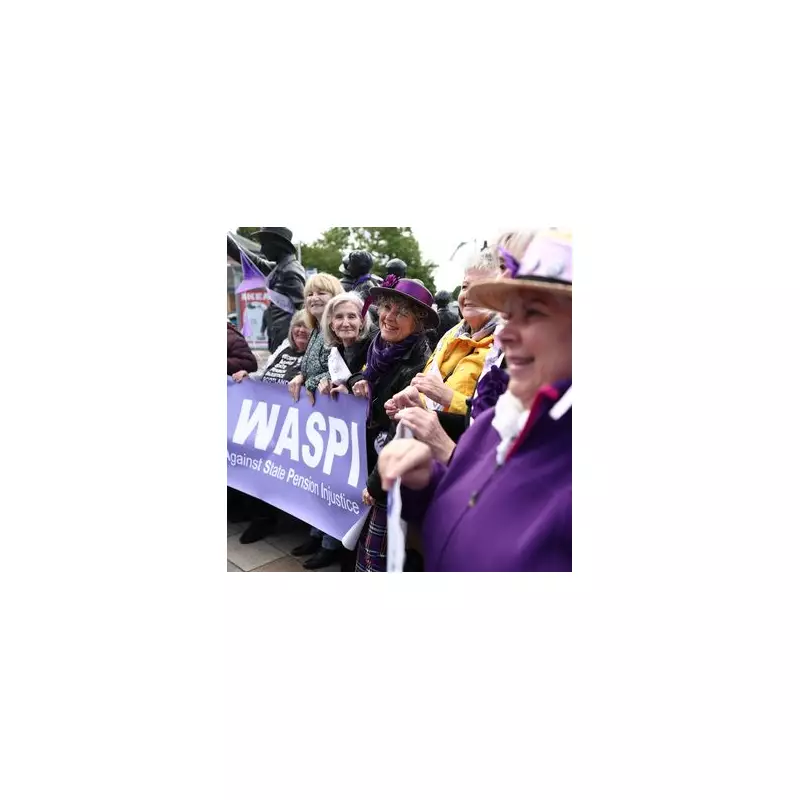
Campaigners representing women born in the 1950s who were affected by changes to the state pension age have secured significant cross-party parliamentary support, urging the Government to reach a definitive decision on potential compensation. The Women Against State Pension Inequality (Waspi) movement has gathered backing from 100 MPs for a letter that presses ministers to "reach the right decision" for this demographic.
Government Faces Mounting Pressure
The correspondence, which will be dispatched on Thursday, calls directly on Work and Pensions Secretary Pat McFadden to provide a comprehensive update on compensation proposals by March 2 "at the latest." This deadline represents a critical moment in the long-running campaign for justice for women who argue they received inadequate notice about increases to their state pension age.
Historical Context and Recent Developments
Last November, Mr McFadden announced that his department would revisit a previous decision not to compensate 1950s-born women affected by state pension age increases. This review specifically focuses on how the changes were communicated to those affected. The decision followed court proceedings that led to the rediscovery of a 2007 Department for Work and Pensions assessment, which had prompted officials to cease sending automatic pension forecast letters.

However, Mr McFadden has been careful to temper expectations, stopping short of guaranteeing that the review would result in any compensation payments. This cautious approach has frustrated campaigners who have been fighting for recognition and restitution for years.
Campaigners Voice Their Frustration
Angela Madden, chair of Women Against State Pension Inequality (Waspi), expressed the growing impatience among affected women: "It's high time that ministers stopped stalling and started compensating Waspi women." Her comments reflect the sentiment of thousands of women who feel they were denied proper notice and the opportunity to plan adequately for their retirement.
Steve Darling, Liberal Democrat work and pensions spokesperson, echoed this frustration: "The Government cannot keep kicking this injustice into the long grass. Waspi women did everything right, yet they were denied proper notice and the chance to plan for their retirement. The Parliamentary Ombudsman has been clear, the public are clear, and now MPs from across the political spectrum are clear: compensation must happen."
Ombudsman Recommendations and Government Response
A report from the Parliamentary and Health Service Ombudsman previously recommended compensation ranging between £1,000 and £2,950 for each individual affected by the communication failures surrounding state pension changes. These figures represent what the independent watchdog considers appropriate redress for the maladministration identified.
In December 2024, the Government acknowledged the ombudsman's finding of maladministration and apologised for delays in writing to women born in the 1950s. However, ministers stated that a blanket compensation scheme, which could potentially cost taxpayers up to £10.5 billion, could not be justified. This position has created tension between campaigners' demands and the Government's fiscal considerations.
Departmental Position and Next Steps
A DWP spokesperson clarified the department's current stance: "Last month we committed to retake the decision and as set out, we will do so within the three-month period. This should not be taken as an indication that Government will necessarily decide that it should award financial compensation."
The March 2 deadline now looms as a crucial test of the Government's willingness to address what campaigners and cross-party MPs describe as a significant injustice. With 100 MPs from across the political spectrum supporting the Waspi campaign's demands, pressure on the Department for Work and Pensions continues to intensify as the deadline approaches.