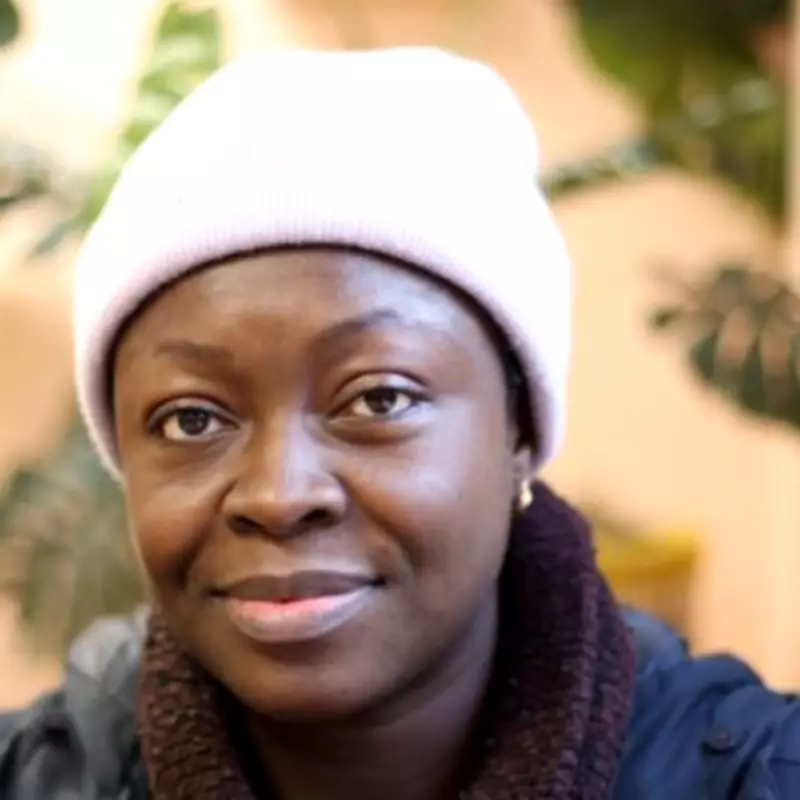
When structural engineer and mother-of-three Frances Ikemefuma faced the collapse of her marriage alongside caring for unwell elderly parents, she found herself providing for six people on a single income. The 43-year-old describes reaching crisis point as a profound challenge to her identity. "When I got into crisis, coming to face the foodbank took a lot of courage," Frances reveals. "It challenged everything my life was built on."
A Radical Shift in Support
Arriving at the bright and welcoming North Paddington Food Bank (NPFB), Frances encountered a revolutionary approach. Instead of receiving a standard food parcel, she was offered emergency cash payments alongside support with benefit claims to help her regain stability. "It was actually uplifting," she says. "The money and support I was given went straight back to my children. I didn't fix my nails or get my hair done. It went to shoes and uniform, and food, and trying to keep the house warm for everyone, and trying to sustain the family life I had built."
Frances emphasises the practical dignity this provided: "Having cash means you can buy healthier food than you might get in a food parcel." The trust placed in her was transformative. "The people at NPFB saw I wasn't lazy," she states. "Far from it. I was taking care of six people. I've always been dedicated and hard-working, but the reality is that one or two big life changes can leave you needing support. They saw me as a person for the first time in such a long time. This place has meant I can be the mother I always wanted to be to my children."

The Cash-First Philosophy in Action
Looking around The Exchange hub in Westminster, Tom Delap, Head of Charity at NPFB, explains this represents the future of crisis support. The space lacks queues for food or destitute families waiting; instead, it offers a welcoming environment with hot food and friendly advice. Community members receive staggered cash payments digitally or as vouchers, paired with emergency advice, rather than collecting pre-packed bags of shopping.
"We are the UK's first Cash First food bank, and the only one delivering Cash First support at this scale, a model we have been running for the past four years," Tom declares. "We no longer distribute food parcels. With Cash First, we recognise people are essentially facing an income problem – and also offer specialist welfare help and mental health support. Our approach is based on trust and dignity. We need to start trusting people more."
Frances agrees wholeheartedly: "Trust is life changing. Trust makes you want to work harder. It leaves you feeling stronger."
Proven Results and Financial Sense
Beyond building trust and allowing people to purchase specific necessities like children's shoes, school uniforms, local food, and utilities, Tom argues the model offers superior value for money. "We are the largest food bank in the area," he notes. "Once you factor in staff, transport, storage and distribution and the fact we were buying nearly 60% of the food ourselves, it just didn't add up – we thought, 'why are we buying food to give it out'? Instead of moving food around, we can put that money straight into people's hands. For the same cost, we support households better and focus on fixing the causes of crisis, not just managing the symptoms."
This shift comes as the UK now sees over three million food parcels distributed annually, a stark rise from a single food bank 25 years ago. "By taking a cash-first approach, we could finally see the end of foodbanks," Tom suggests. "It's a genuinely exciting moment."
Landmark Pilot Delivers Compelling Evidence
The UK's largest Cash First pilot, with results released today, provides concrete data. Between 2022 and 2025, NPFB and partner Turn2Us provided £330,000 to 150 households using varied payment methods—weekly, monthly, and lump sums. These households were selected for being among the most dependent on NPFB support over the previous year and facing "entrenched barriers to stability." The year-long pilot paired cash support with income maximisation advice and dedicated casework.

"The results were clear," Tom states. "A 79% reduction in long-term food aid dependency. 53% of households never returned to the foodbank. And all this achieved during a period when national foodbank demand continued to rise."
Government Policy Catches Up
The report's publication is timely. Last week, the government launched a new Crisis and Resilience Fund (CRF) which explicitly prioritises a cash-first approach, aiming to shift national policy towards direct financial support. "NPFB's model is already delivering what the CRF asks local areas to build," Tom observes. "We hope we can provide a blueprint for others."
From April this year, the CRF will allocate £1 billion to local authorities in England to assist low-income households with immediate financial shocks and build long-term resilience, replacing previous temporary solutions. Adam Hug, leader of Westminster Council, confirms the local authority will now support other food aid partners to adopt the cash-first model under its anti-poverty action plan.
"The North Paddington Food Bank has been at the vanguard of driving forward the cash first approach, and the results are clear – more than half the households using this system don't return to the food bank, proving that this is the best way to help turn people's lives around," he asserts.
A Hub for Holistic Community Support
NPFB's model integrates seamlessly with Westminster Council's hub network, which includes The Exchange with its canteen, homework and counselling rooms, exercise spaces, and coffee bar. The council also provides direct support to the foodbank.
The hub's impact extends beyond financial aid. Eighty-year-old Val Hough, enjoying tea with friend Diana Alexander, 76, after a chair exercise class, exemplifies this. "I love coming here," she says, gesturing towards fresh food being prepared. "It's like coming to a posh café."
Before discovering the hub, Val was trapped indoors by agoraphobia. "I just got very, very low," she recalls. "And then I stopped being able to use my hands. I was a typist for 49 years, but I couldn't even hold a letter, let alone make a cup of tea." After a year at The Exchange, her confidence has returned, and the exercise classes have restored mobility to her hands. "There's sewing classes, film nights, scrabble nights, karate," she lists enthusiastically, leaning forward to whisper: "I think I might be the next karate kid."
The North Paddington Food Bank's pioneering work demonstrates that combining direct cash transfers with holistic support and community connection offers a powerful, dignified, and effective path out of crisis, potentially reshaping the national response to poverty.