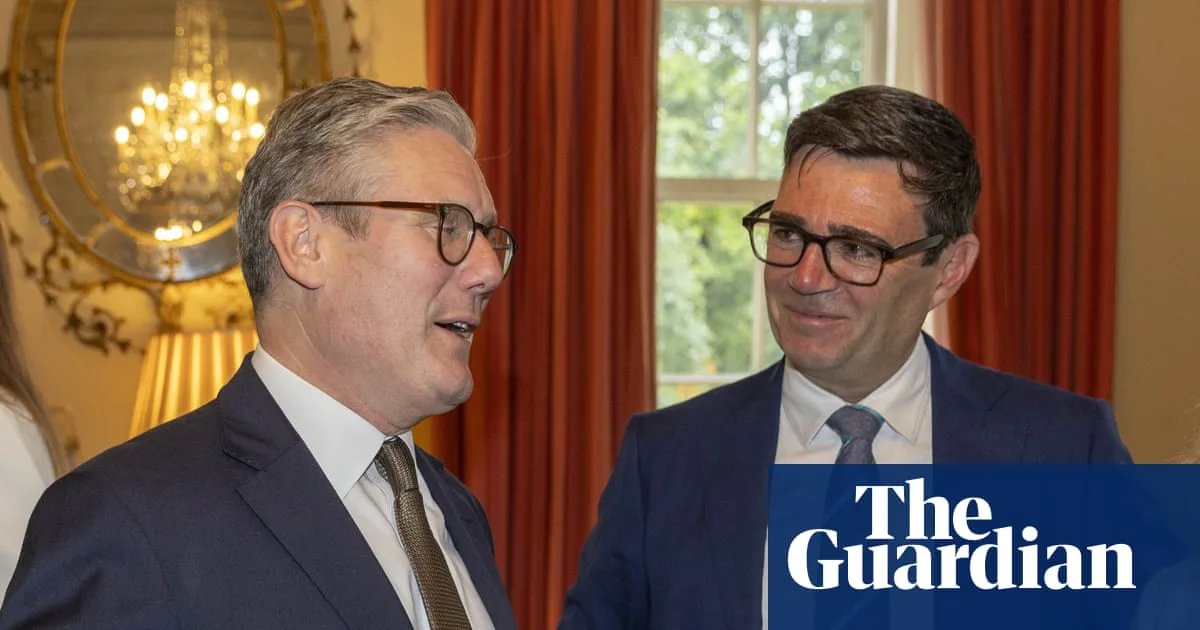
Kinnock Insists Burnham's Westminster Return Would Face Normal Labour Selection Process
Burnham's Westminster Return Faces Normal Selection - Kinnock

Labour Minister Insists Burnham's Potential Parliamentary Return Would Follow Standard Procedures

Health minister Stephen Kinnock has firmly stated that any potential return to Westminster by Greater Manchester mayor Andy Burnham would be handled through Labour's normal candidate selection process. This declaration comes amid intense speculation that allies of Prime Minister Sir Keir Starmer might attempt to block the prominent mayor's parliamentary ambitions.

Constitutional Vacancy Creates Westminster Opportunity

The political landscape shifted significantly when Andrew Gwynne, the sitting MP for Gorton and Denton, announced on Thursday that he would stand down from the Commons. Mr Gwynne cited significant ill health and medical advice against returning to work as the reasons for his departure. This decision automatically triggers a by-election in the constituency, which Labour secured comfortably during the 2024 general election with Mr Gwynne receiving fifty-one percent of the vote.

Mr Burnham, who has long been viewed as a potential rival to the Prime Minister for the Labour leadership, now faces a crucial decision about whether to pursue this unexpected opportunity to return to parliamentary politics. The mayor has yet to publicly comment on whether he will apply to become Labour's candidate for the impending by-election contest.

Wide Pickt banner — collaborative shopping lists app for Telegram, phone mockup with grocery list

Standard Procedures Would Apply According to Minister

Speaking to BBC Breakfast, Mr Kinnock emphasised that the selection process would mirror that of any other parliamentary candidate. "It will be like any other selection process and those rules and procedures will be set in due course," the health minister stated clearly. He went on to praise Mr Burnham's current performance, describing him as "an incredibly talented and effective leader as the mayor of Greater Manchester" who is "doing a great job in the role that he currently has."

However, several significant hurdles stand between Mr Burnham and a potential return to the Commons. His candidacy would require approval from Labour's national executive committee (NEC), which has been widely perceived as being under the control of Sir Keir Starmer's supporters. A source close to the NEC indicated that support for the mayor among the party's ruling body remains "not clear" and that it was "hard to tell" whether he would be approved as a candidate.

Internal Party Tensions Surface Over Potential Candidacy

Reports suggest that allies of the Prime Minister are already mobilising to prevent Mr Burnham's candidacy, arguing that his return could destabilise the current government. This internal tension has prompted Deputy Prime Minister David Lammy to call for party unity regardless of Mr Burnham's intentions. Speaking on the BBC's Political Thinking podcast, Mr Lammy cautioned against destabilising actions, noting that "immediately you'd be forced to have an election, premature probably."

Meanwhile, some Labour backbenchers have expressed enthusiasm about the prospect of Mr Burnham's return. One MP told the Press Association that having the mayor back in Westminster would be "lovely" and represented the first time things had looked positive in eighteen months. Another backbench MP warned that Labour would be "foolish" to block Mr Burnham from standing, suggesting the party would be "completely finished" if it took such action.

External Pressures and Democratic Concerns

Steve Wright, general secretary of the Fire Brigades Union, strongly criticised any potential blocking of Mr Burnham's candidacy, describing it as "a democratic outrage." He pledged that the union would "fiercely resist any attempts to stitch up the selection" process, highlighting broader concerns about internal party democracy.

Before Mr Gwynne's announcement became public, Mr Burnham had indicated he was "in the dark" about the MP's plans and cautioned that "people shouldn't rush to conclusions." The Prime Minister himself declined to comment directly on whether Mr Burnham should stand, instead noting that the NEC would establish the candidate selection process while acknowledging that the mayor was "doing an excellent job as mayor of Manchester."

Pickt after-article banner — collaborative shopping lists app with family illustration

Electoral Challenges and Constitutional Complications

Should Mr Burnham navigate the internal party hurdles and secure selection as Labour's candidate, he would face a potentially challenging by-election contest. Although Labour won the seat comfortably in 2024, the party's national support has declined significantly since the general election. Reform UK has already vowed to "throw everything" at capturing the constituency, presenting a substantial electoral threat.

A further complication arises from Mr Burnham's current role as mayor of Greater Manchester, which also includes serving as police and crime commissioner. This dual position creates a legal barrier preventing him from simultaneously sitting as an MP. Therefore, if elected, Mr Burnham would be required to relinquish his mayoral responsibilities, potentially creating a vacancy that Nigel Farage's Reform UK could target in subsequent elections.

The coming weeks will reveal whether Mr Burnham chooses to pursue this unexpected pathway back to Westminster and how Labour's internal mechanisms respond to what could become a significant test of party unity and democratic processes.




