
The third coming of Andy Burnham began in earnest on the dancefloor of the Ministry of Sound. It was the annual conference of the centre-left pressure group Compass on an unusually hot spring weekend in May 2025. Keir Starmer, a year into his premiership, was deep in the trenches of the welfare battle. The event’s keynote speakers were Burnham and Louise Haigh.
Under the hot pink lights, the mayor of Greater Manchester joked that he was doing the “rally the troops” slot, inappropriate for a pessimistic Evertonian. But he said there was one reason to still be cheerful. The threat of Reform, he said, “means the left will now have to make changes that we should have made many years ago … something new is going to break through.” The reception was as rapturous as a rave.
It was the other name down to speak that night that was the crucial missing element. “We’ve had New Labour and Blue Labour. Now it’s time for Lou Labour,” said the Compass director, Neal Lawson, a close friend of Burnham’s, as he introduced Haigh. It was Haigh’s first critical intervention since her sacking as transport secretary. “Too often over the last few months, we have chosen caution and consensus over the boldness voters expect and made clear they want,” she said to whoops and cheers.
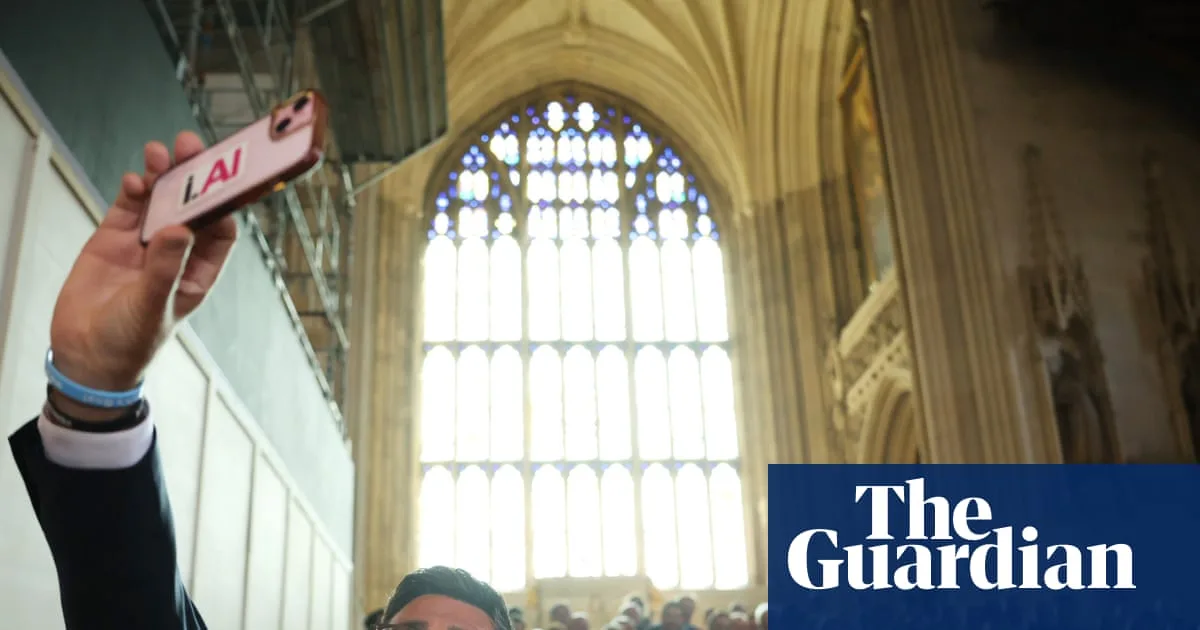
This is the story of the year-long, chaotic project to return Burnham from Manchester to Westminster, which culminated on Monday with his reception by hundreds of beaming MPs in Westminster Hall. “Every conversation I had with MPs from October to May was ‘Angela Rayner has flaws, Wes Streeting has flaws, Ed Miliband has flaws. And of course, Andy is not in parliament,’” one senior adviser to Burnham said. “So then it becomes obvious that geography can only hold him back for so long.”
For Haigh, the welfare bill battle just four weeks after that pivotal spring weekend brought a closer alliance with Anneliese Midgley, the Knowsley MP who is close to Burnham and who was instrumental to the welfare climbdown. Then came the summer dominated by Nigel Farage, with no response visible from the prime minister or government. Labour MPs were starting to doubt Starmer could “meet the moment” of the threat from the populist right.
There were three separate operations. The first was the launch of Mainstream, the Compass-founded campaign group that provided policy work and social media for Burnham to start to build a leadership campaign. Lawson approached Burnham to publicly sign up to the group’s aims, with little expectation that he would. But Burnham signed the group’s opening statement. Then came the second phase, initiated by Haigh, Midgeley and Ed Miliband to make Burnham the consensual will of MPs. And the final piece of the puzzle would be Josh Simons, who many close to Burnham initially thought was a double agent of No 10.




