

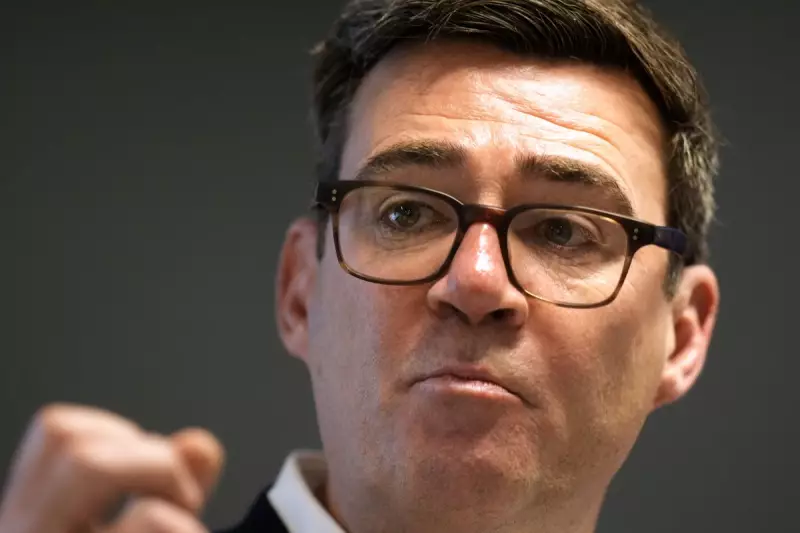
Andy Burnham's Potential Path to Labour Leadership Through Gorton and Denton By-Election
Westminster is abuzz with speculation that Greater Manchester Mayor Andy Burnham could be poised for a dramatic return to Parliament, potentially setting the stage for a direct challenge to Sir Keir Starmer's leadership of the Labour Party. The sudden resignation of Andrew Gwynne as MP for Gorton and Denton has created an unexpected opening that could see the so-called 'King of the North' back in the Commons for the first time in nearly a decade.
The Vacancy That Could Change Labour's Future
Andrew Gwynne's departure from Parliament on Thursday afternoon has sent shockwaves through Labour circles. The former minister, who had previously denied any intention to vacate his seat, cited health reasons for his resignation after being away from Westminster on sick leave. His statement in September that the seat was not a "route to No 10" now appears particularly ironic given the political implications of his departure.
Sir Keir Starmer responded swiftly to the growing speculation, warning Labour MPs to cease discussions about potential leadership challenges. In an interview with Channel 4 News, the Prime Minister emphasised: "Every minute we waste talking about anything other than the cost of living and stability in Europe and across the globe is a wasted minute." Despite this warning, several Labour MPs are reportedly quietly encouraging Mr Burnham to consider challenging the party leadership, expressing concerns about Labour's declining position in recent opinion polls.

The Three-Step Challenge Facing Burnham
Step One: Navigating Labour's Selection Process
Should Mr Burnham decide to pursue the Gorton and Denton seat, he faces significant procedural hurdles. The Labour Party's National Executive Committee (NEC), currently chaired by Home Secretary Shabana Mahmood, holds considerable power over candidate selection. According to Labour's rulebook, a sitting mayor seeking to become a parliamentary candidate must "seek the express permission of the NEC" even before seeking nomination from local members.
The NEC includes several Starmer allies such as Ellie Reeves, Jonathan Reynolds, Luke Akehurst, and Gurinder Singh Josan. Several members of this executive body have reportedly told media outlets that Mr Burnham's chances of being selected are "zero." However, any perceived heavy-handed intervention by the NEC could be viewed as undemocratic and might inadvertently demonstrate a lack of confidence in the Prime Minister's ability to withstand a leadership challenge.
Additionally, Mr Burnham would need to resign as Manchester's mayor to run for Parliament, triggering a costly by-election in the city estimated at approximately £2 million.
Step Two: Winning the By-Election Battle
If Mr Burnham successfully navigates the selection process, he would then face the challenge of winning the Gorton and Denton seat. While Labour secured a comfortable victory in the constituency in 2024 with 50.8% of the vote, recent polling suggests a more competitive landscape has emerged.
According to More in Common research, Reform UK has gained significant ground in the area, while the Green Party continues to erode Labour's traditional base. The latest MRP polling places Nigel Farage's party at 30%, Labour at 28%, and the Greens at 23%. Despite these challenges, the constituency has returned a Labour MP at every election since its creation as Denton and Reddish in 1983, and Mr Burnham enjoys considerable personal popularity in Greater Manchester, where he has been a prominent political figure since 2001.
Step Three: The Leadership Challenge Itself
Should Mr Burnham overcome these initial obstacles and return to Parliament, he would face his most significant challenge: mounting a successful leadership bid against Sir Keir Starmer. This would require support from at least 20% of Labour MPs – approximately 81 members given the party's substantial parliamentary majority.

Several Labour MPs have privately expressed dissatisfaction with the party's direction and polling performance under Sir Keir's leadership. In November, Clive Lewis, MP for Norwich South, publicly endorsed Mr Burnham for leader, even suggesting he would vacate his own seat to facilitate the Manchester mayor's return to Westminster.
The final hurdle would be a leadership election decided by Labour members nationwide. The victor would automatically become Prime Minister due to Labour's parliamentary majority. While no sitting Prime Minister has ever been successfully challenged in this manner, Mr Burnham's current ranking by YouGov as the UK's most popular politician – contrasted with three-quarters of respondents viewing Sir Keir unfavourably – suggests the political landscape may be shifting in his favour.
The Broader Political Implications
Mr Burnham has remained characteristically cautious about his intentions, stating on Thursday that "people shouldn't rush to conclusions." However, the mere possibility of his return to Westminster has ignited intense debate about Labour's future direction and leadership.
The situation represents a significant test for Sir Keir Starmer's authority within his own party, coming at a time when Labour faces multiple challenges both domestically and internationally. How the Prime Minister handles this potential challenge from within his own ranks could have lasting implications for party unity and electoral prospects.
As political observers watch developments closely, the Gorton and Denton by-election has transformed from a routine constituency contest into what could become the first chapter of a much larger political narrative about Labour's leadership and future direction.





