On a frigid day beneath the iconic dome of the US Capitol, Joe Biden walked solemnly towards a waiting marine helicopter, exchanging final, terse words with his successor, Donald Trump. The scene at Joint Base Andrews was equally poignant, where the 46th president offered farewell remarks to his loyal staff, declaring, "We're leaving office, but we're not leaving the fight." Yet, one year later, a profound shift has occurred. Washington and the wider world have largely moved on, leaving Biden, now 83, in a state of political obscurity, his public appearances rare and his influence markedly diminished.
The Invisible Man of American Politics
Chris Whipple, an acclaimed author of several books including The Fight of His Life: Inside Joe Biden's White House, offers a stark assessment. "He's been the invisible man," Whipple states. "He's been very smart to stay under the radar because the last thing the Democratic party needs is any reminders of his final year in office, his ill-starred 11th-hour abdication and the resulting defeat of Kamala Harris." This strategic retreat contrasts sharply with the tradition of former presidents maintaining a dignified silence, allowing their successors space to govern. Trump, characteristically, has defied this norm, persistently lambasting Biden and perpetuating false claims about the 2020 election throughout his political exile.
A Legacy Overshadowed by a Tumultuous Exit
Biden's presidency, which began with an ambitious legislative agenda during its first two years, saw his approval ratings plummet as his term neared its conclusion. A disastrous debate performance against Trump exacerbated widespread concerns about his age, ultimately forcing him to abandon his re-election bid. The poignant image of a forlorn Biden sitting beside his wife, Jill, in the US Capitol Rotunda as Trump delivered his inaugural address, symbolised the determined erasure of the Biden legacy. Whereas Biden had memorialised the 6 January 2021 insurrection as a dark day for democracy, Trump used his first day to issue sweeping pardons to over 1,500 rioters, install election deniers in key positions, and reframe the assault as an act of patriotic protest.

Policy Reversals and a New World Order
The policy chasm between the two administrations is vast. Where Biden signed the most significant climate spending bill in American history, Trump has launched an unrestrained assault on clean-energy initiatives, championing fossil fuels as the driver of cheaper energy and the burgeoning artificial intelligence sector. Trump has systematically rejected Biden's faith in expertise, dismissing thousands of career officials, imposing strict loyalty tests, and hollowing out federal agencies. He has elevated fringe voices, like Robert F. Kennedy Jr., to influential roles in healthcare, purged diversity frameworks from government, and mounted an offensive against universities and public bodies he associates with a "woke" agenda. This domestic shift is paired with an aggressive hardening of immigration policy.
On the global stage, Trump is sketching a new world order predicated on power and self-interest, straining alliances with threats of land seizures, tariffs, and economic coercion—a stark departure from Biden's commitment to postwar structures like NATO and support for Ukraine.
Life After the Oval Office
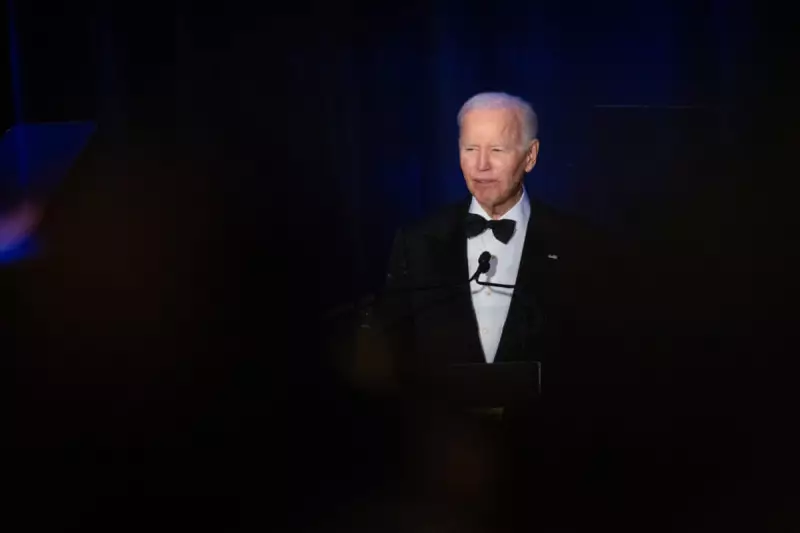
In this new political landscape, it is Barack Obama, 64, who has assumed a more visibly active role, participating in numerous public engagements and campaign rallies. Biden's forays have been sparse. His post-presidential office announced in May that he had been diagnosed with prostate cancer, which had spread to his bones. A July speech at a human resources convention in San Diego revealed he was receiving calls from European leaders seeking his engagement and that he was "working like hell" on a lucrative memoir, reportedly sold for $10 million.
However, reports indicate Biden is struggling to raise funds for his presidential library from fatigued donors, even as Obama's library prepares to open in Chicago. An October address in Boston, where Biden received a lifetime achievement award, struck a sombre note. "Friends, I can't sugar-coat any of this. These are dark days," he said, while expressing faith that the nation would "find our true compass again."

Democratic Discontent and a Lingering Stain
Yet, such interventions find little appetite among Democrats. Many still blame Biden for clinging to the 2024 nomination too long, leaving Kamala Harris with a mere 107 days to mount her own campaign. His failure to prevent Trump's return is viewed as an indelible stain on his legacy. Political consultant Frank Luntz observes, "He left office on a low and even Democrats feel like they were misled, so it's gonna take a while for his reputation to return."
Trump's Relentless Focus on a Ghost
Paradoxically, the primary force keeping Biden's memory alive is his successor. Trump constantly references his predecessor in speeches and press conferences, deploying insults like "Crooked Joe" and "Sleepy Joe." In a pointed act of mockery, Trump installed a "presidential walk of fame" at the White House, replacing Biden's official portrait with an autopen image to question his age and legitimacy, accompanied by a plaque branding him "by far, the worst President in American History."
Luntz describes the dynamic as political "Groundhog Day," where the last election feels perpetually re-run. This focus extends to official channels, with Republican-led House investigations alleging a cover-up of Biden's decline and Senate hearings examining his mental fitness. The White House has even opened an investigation into the Biden administration's use of the autopen, which Trump labels "one of the biggest scandals in the history of our country."
A Strategy Falling Flat?
Despite this relentless campaign, political analysts question its efficacy. Bill Galston, a senior fellow at the Brookings Institution, notes that Trump's efforts to blame Biden for the current economy are failing to resonate. "By a margin of better than two to one, they say it's Trump's economy, not Biden's," Galston states, suggesting that on the paramount issue for voters, this fixation on the past is not aiding the incumbent. Thus, Joe Biden persists as a spectral figure in American politics—largely absent in person, yet omnipresent as the foil in his successor's daily commentary, a ghost of administrations past haunting the corridors of power.