Kemi Badenoch Commits to Reinstating Two-Child Benefit Cap to Fund Military Expansion
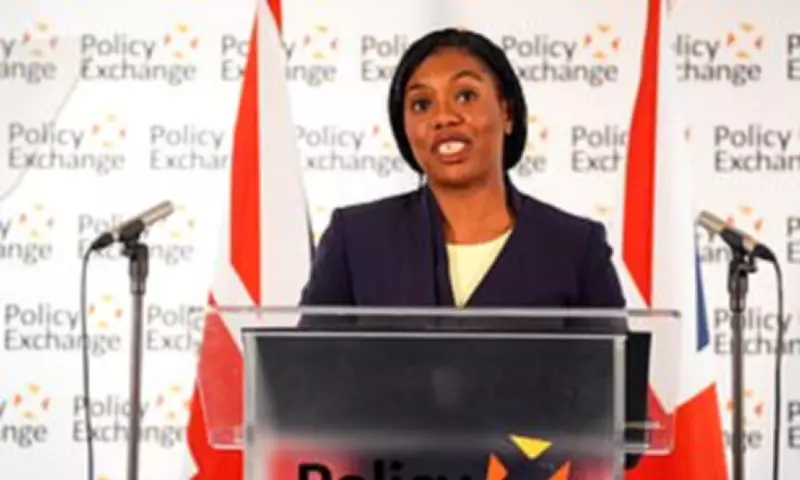
Conservative leader Kemi Badenoch has made a firm pledge to restore the two-child benefit cap, with the resulting savings directed towards a significant increase in defence spending. In a detailed announcement, she outlined plans to utilise the financial gains from this policy shift to bolster Britain's military capabilities and address the national deficit.
Defence Funding Strategy and Military Recruitment Targets
Mrs Badenoch stated that half of the anticipated £3.2 billion savings from reinstating the benefit cap would be allocated to defence, while the remaining half would contribute to deficit reduction. This funding is earmarked to support the recruitment of additional soldiers, aiming to expand the regular Army to 80,000 personnel and the Reserves to 40,000. The Conservative Party has specified that the money would finance 6,000 new Army soldiers and 14,000 new Army Reservists, along with improvements in accommodation and equipment.
Critique of Labour's Welfare and Defence Policies
In her remarks, Mrs Badenoch strongly criticised the last Budget, labelling it a 'Budget for Benefits Street' after Labour pledged to lift the cap. She argued that Labour's approach involves raising taxes on workers, pensioners, and businesses to fund increasing welfare payments, without a clear plan for adequately financing the armed forces. The two-child benefit cap, initially introduced by the Conservatives in 2017, limits benefits to the first two children in most households. Labour's draft legislation to abolish this policy has passed the Commons and is progressing through the Lords.

Mrs Badenoch accused Sir Keir Starmer of having 'a plan to raise benefits and no plan for how to properly fund our armed forces,' emphasising the urgency of military support amidst ongoing conflicts in Europe and the Middle East. She asserted that 'the era of an endlessly rising welfare bill paid for by a shrinking defence budget should be over,' calling for a shift in priorities to reflect global changes.
Defence Spending Targets and Fiscal Challenges
The debate over defence spending intensifies as the UK commits to spending 3.5% of GDP on core defence by 2035. Sir Keir Starmer has pledged to allocate 2.5% of GDP to defence by April 2027, with an increase to 3% in the next parliament. Reports suggest he is considering accelerating the 3% target in response to recent threats, though the Treasury remains cautious. Chancellor Rachel Reeves has not committed any new funds this week, following warnings from the Office for Budget Responsibility that Labour may need an additional £40 billion annually by 2035 to meet its defence spending goals.
MPs have demanded explanations from Ms Reeves regarding the failure to secure more defence funding, especially after Armed Forces chiefs highlighted a £28 billion shortfall in the Ministry of Defence budget. Sir Keir acknowledged the need for increased and faster spending to address years of under-investment and troop reductions, underscoring the critical nature of these decisions in current geopolitical contexts.