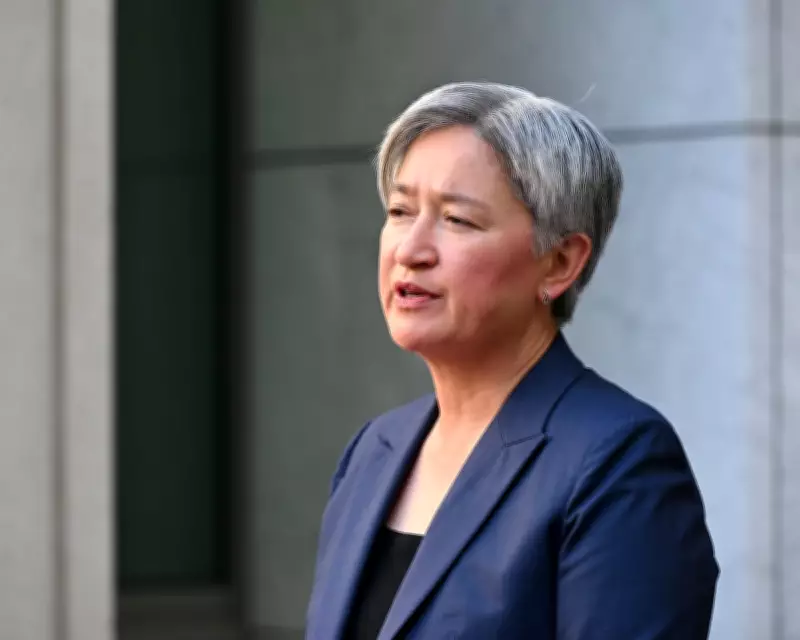
In a recent session of the Federal Parliament in Australia, political leaders engaged in intense debates focusing on domestic fiscal matters and international geopolitical developments. The discussions highlighted the ongoing scrutiny of the New South Wales budget estimates, with both the Labor Party and the Coalition presenting their perspectives on economic management and public spending priorities.
Domestic Focus: NSW Budget Estimates Under Scrutiny
The parliamentary session placed significant emphasis on the New South Wales budget estimates, as lawmakers from across the political spectrum examined the financial plans and allocations proposed by the state government. This scrutiny is part of broader efforts to ensure transparency and accountability in public finances, with debates often reflecting partisan divides over fiscal policy and resource distribution.
Labor and Coalition Clash Over Economic Policies
Prime Minister Anthony Albanese, representing the Labor Party, and Opposition Leader Angus Taylor, from the Coalition, were at the forefront of the parliamentary exchanges. Their discussions centered on contrasting approaches to economic governance, with Albanese advocating for increased investment in social services and infrastructure, while Taylor emphasized fiscal restraint and market-driven solutions to address budgetary challenges.

These debates are not merely academic; they have real-world implications for taxpayers and communities across New South Wales and beyond. The outcome of these discussions could influence future budget decisions and policy directions at both state and federal levels.
International Context: Reactions to Global Conflicts
Beyond domestic issues, the parliamentary session also addressed reactions to ongoing international conflicts, including tensions in regions such as Iran. Lawmakers debated Australia's role and response to global security challenges, with discussions touching on diplomatic strategies, defense commitments, and humanitarian considerations.
Geopolitical Implications for Australian Foreign Policy
The debates over international conflicts underscored the complexities of Australia's foreign policy in an increasingly volatile global landscape. Parliamentarians weighed the need for stability and peace against strategic interests, with some calling for a more proactive stance in international diplomacy, while others cautioned against overextension in foreign engagements.
These discussions reflect broader concerns about how global events impact national security and economic stability, highlighting the interconnected nature of domestic and international affairs in contemporary politics.
Broader Political Dynamics and Future Outlook
The parliamentary session served as a microcosm of the broader political dynamics in Australia, showcasing the ongoing rivalry between the Labor Party and the Coalition. As both sides prepare for future elections, these debates are likely to intensify, with each party seeking to frame its agenda in ways that resonate with voters.
Looking ahead, the outcomes of these parliamentary discussions could shape legislative priorities and public discourse in the coming months. Stakeholders, including businesses, community groups, and international partners, will be closely monitoring these developments for insights into Australia's political trajectory and policy directions.
In summary, the Federal Parliament's recent session was marked by robust debates on key issues, from the NSW budget estimates to global conflicts, illustrating the multifaceted nature of governance in Australia today.