Assisted Dying Bill Faces 'Near Impossible' Lords Hurdle Amid Procedural Delays
Assisted Dying Bill 'Near Impossible' to Pass Lords

Supporters of the assisted dying bill have expressed profound frustration, stating it is now "near impossible" for the legislation to pass the House of Lords in time due to extensive procedural delays orchestrated by opponents. The bill, which would legalise assisted dying in England and Wales for terminally ill patients with less than six months to live, faces a critical deadline at the end of the parliamentary session in May, after which it will automatically lapse.

Mounting Obstacles in the Upper House

Intense discussions have been underway between the bill's backers and the government to secure a vote in the Lords, but progress remains glacial. Experts and MPs now believe the legislation may not even reach a vote before the session concludes, despite having successfully passed through the House of Commons. This has sparked outrage among proponents, who describe the situation as a glaring example of parliamentary dysfunction.

"Blind Fury" Among MPs

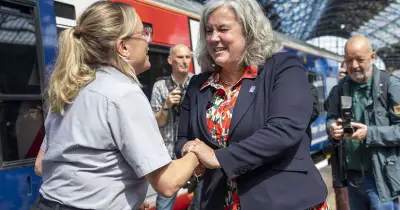
Several MPs have conveyed their "blind fury" to the Guardian over the apparent inevitability of the bill failing in the Lords. One MP lamented, "It is our system at its absolute most dysfunctional," highlighting the democratic deficit as the elected Commons' will is thwarted. The bill's sponsor, Labour MP Kim Leadbeater, finds herself in the awkward position of having to inform grateful members of the public that the law has not yet changed, emphasising the ongoing hurdle of the Lords.

Wide Pickt banner — collaborative shopping lists app for Telegram, phone mockup with grocery list

Accusations of Deliberate Filibustering

Key figures named as determined to halt the bill include former Conservative ministers Michael Gove, Thérèse Coffey, David Frost, and Mark Harper, now peers. Supporters accuse them of employing filibustering tactics—such as delivering near-identical speeches, tabling over 1,000 amendments, and running down the clock before debates—to obstruct progress. One peer critical of the delays noted, "They show no interest in making progress," while another highlighted the Lords' rarely used power to "throw sand in the gears" through procedural manoeuvres.

Defenders of Scrutiny and Opposition

Opponents of the bill firmly reject accusations of "dirty tricks," arguing that the extensive scrutiny is warranted due to the legislation's perceived flaws. They contend that the high number of amendments and prolonged debate reflect genuine concerns about the bill's safety and acceptability. A senior opponent stated that it is entirely normal for private members' bills to be blocked by the Lords, criticising supporters for setting "false expectations" about its passage.

Calls for Lords Reform

The impasse has reignited calls for substantial reform of the House of Lords. Dr Simon Opher, a Labour MP on the bill committee, denounced the situation as "an absolute disgrace" and a "real threat to our democracy," suggesting it could hasten the abolition of the unelected chamber. Echoing historical precedent, one MP referenced the 1909 budget crisis, which led to the Lords losing its veto power, and argued, "We can do it again. The Lords can stand for election."

Balancing Scrutiny and Progress

Labour MP Florence Eshalomi, who opposed the bill, defended the Lords' meticulous approach, stating, "Scrutiny should never be conflated with obstruction." She emphasised that no royal college, professional body, or cabinet minister has endorsed the bill's safety, urging peers not to ignore expert concerns. Despite additional debate days being granted, including extended sitting hours facilitated by Labour peer Charles Falconer, only a fraction of the tabled amendments have been discussed, such as contentious wording changes proposed by Lord Frost.

Uncertain Future and Public Disappointment

With the parliamentary session drawing to a close, supporters acknowledge that even if more time were allocated, opponents could continue to exploit procedural rules to delay further. A source close to Leadbeater revealed she is actively engaging MPs across parties to maintain morale, though the outlook remains bleak. The ongoing stalemate not only frustrates parliamentary backers but also disappoints a public largely in favour of assisted dying, as highlighted by Leadbeater's daily interactions with constituents.

Pickt after-article banner — collaborative shopping lists app with family illustration

As the debate rages on, the assisted dying bill stands at a crossroads, emblematic of broader tensions between democratic expression and legislative scrutiny in the UK's bicameral system.