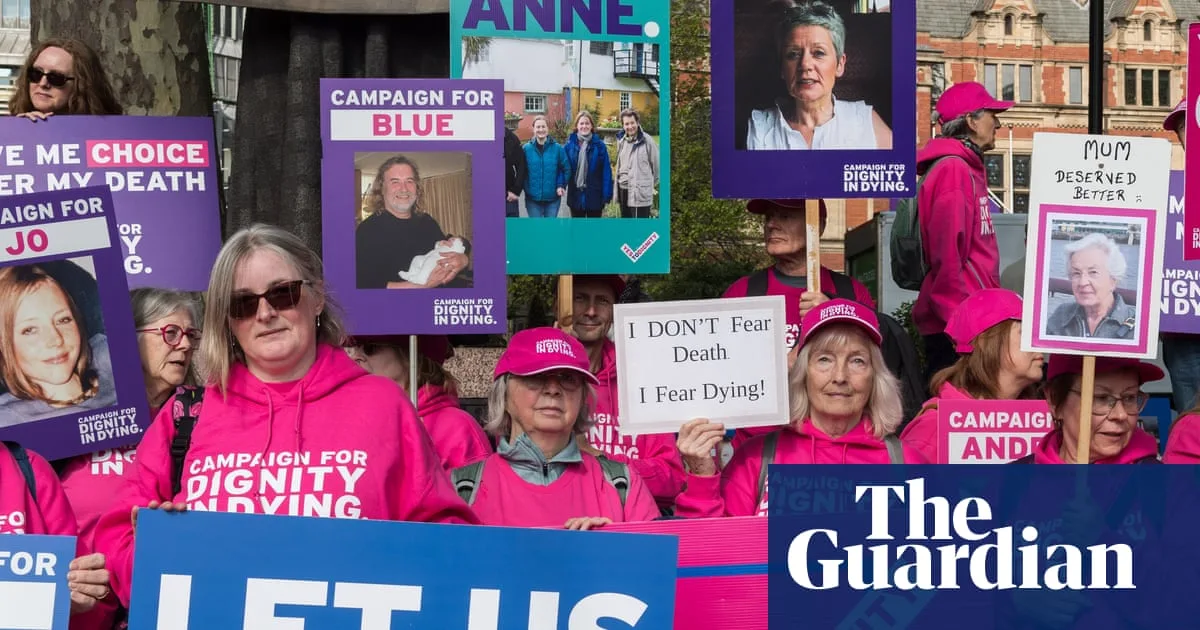
Assisted Dying Bill Fails in Parliament, Sparks Democratic Debate
Assisted Dying Bill Fails, Sparks Democratic Debate

The proposed legislation to legalise assisted dying for terminally ill adults in England and Wales is expected to fail this week, marking a significant setback for campaigners who have described the outcome as a bitter disappointment that lets down vulnerable patients. The Terminally Ill Adults (End of Life) Bill, which has been progressing through Parliament for over eighteen months, is likely to expire without a final vote during its last scheduled debate in the House of Lords on Friday.

Procedural Blockade in the Lords

Labour peer Lord Charlie Falconer, a key supporter of the Bill, has accused a minority of peers in the unelected upper chamber of employing what he called "the most appalling procedural tactics" to block the legislation. He stated that the Bill will probably "just peter out" due to these delays, despite having passed two votes in the House of Commons. The proposed law would have allowed adults with fewer than six months to live to apply for an assisted death, subject to approval from two doctors and an expert panel.

Campaigners Vow to Continue Fight

Labour MP Kim Leadbeater, who introduced the Bill to Parliament in late 2024, expressed her frustration, noting that the demise of the legislation has "put the House of Lords in a difficult position." She emphasised that terminally ill individuals and their families have been let down by the procedural stalemate. Ms Leadbeater argued that passing the Bill could have represented one of the most important social changes overseen by the current government, while maintaining a neutral stance on the issue itself.

Wide Pickt banner — collaborative shopping lists app for Telegram, phone mockup with grocery list

More than one thousand suggested amendments were tabled in the Lords during the committee stage, believed to be a record number for a piece of backbench legislation, ultimately causing the Bill to run out of time. Supporters have criticised peers for attempting to "talk out" the draft law, a claim repeatedly rejected by opponents who insist they were merely fulfilling their duty to scrutinise legislation they consider unsafe.

Opposition and Democratic Concerns

Opponents of the Bill, including Labour MP Dame Meg Hillier, have warned against what they describe as an "absurd" attempt to reintroduce the legislation later this year, branding it "bad law." Dame Hillier argued that the process has exposed flaws in the proposed legislation, thereby protecting society's most vulnerable. She cautioned that "choice for one can be coercion for another," highlighting concerns that crucial details were being deferred until after the law was enacted.

Ms Leadbeater suggested that some opposition to the Bill stems from religious beliefs, with certain individuals "pretending to make it about the Bill" rather than acknowledging their personal convictions. She insisted that the legislation is a "solid, robust piece of legislation" and expressed disappointment that a democratically elected chamber's support is being undermined by an unelected minority in the Lords.

Future Prospects and Parliamentary Act

Despite the current setback, both Ms Leadbeater and Lord Falconer remain confident that assisted dying will eventually be legalised. Lord Falconer pointed out that the Bill's progress has established a clear majority in the Commons in favour of changing the law. He noted that if the legislation is reintroduced in the next parliamentary session and passes the Commons again, the rarely-used Parliament Act could be invoked to bypass Lords opposition, allowing the Bill to become law without their approval.

Ms Leadbeater confirmed that she will enter the ballot in the next parliamentary session to reintroduce the Bill, despite facing abuse and unpleasant experiences during the campaign. She believes it is only a matter of time before the law changes, reflecting a growing public and political momentum for reform.

Criticism from Faith and Professional Groups

Baroness Luciana Berger, who has spoken against the Bill, rejected claims that opposition is solely based on religion, describing such arguments as "lazy and offensive." She pointed to concerns raised by Britain's equalities watchdog and royal medical colleges regarding the potential impact on vulnerable groups. Archbishop of Canterbury Dame Sarah Mullally, a critic in the Lords, argued that no amendments could fully safeguard against the Bill's negative effects.

Pickt after-article banner — collaborative shopping lists app with family illustration

The debate has also reignited discussions about the role of the House of Lords. Ms Leadbeater acknowledged the chamber's expertise but questioned its unelected status, suggesting it does not sit well with the public. However, she affirmed the need for a second chamber, albeit one that aligns more closely with democratic principles.

As the Bill faces its likely end, the controversy underscores deep divisions within Parliament and society over assisted dying, setting the stage for future legislative battles and broader constitutional reflections.




