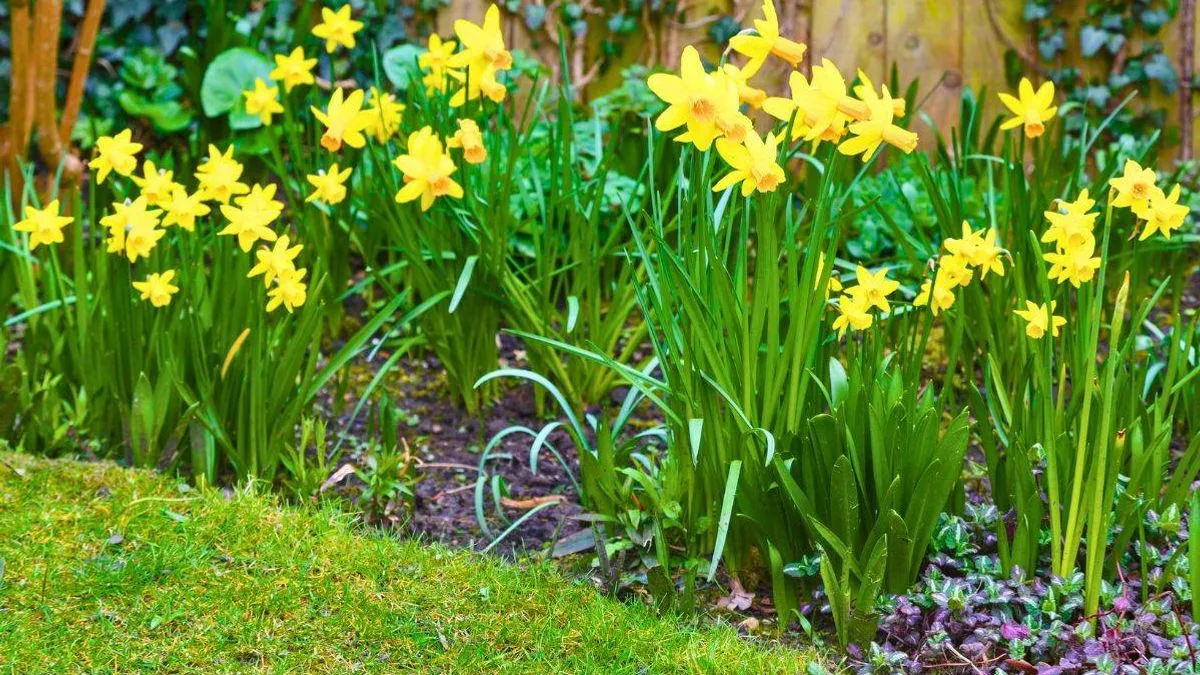
Gardeners are being urged to perform a simple ten-second task on their daffodils before the end of April to ensure longer-lasting blooms and a healthier garden. The fading flowers can attract pests and diseases if left to decay, according to gardening expert Steven Bradley.
Bradley, founder of Busy Gardening, recommends deadheading daffodils as soon as the petals start to shrivel, typically around six weeks after flowering. This quick technique prevents the plant from producing seeds, redirecting energy back into the bulb for a stronger display next year.
To deadhead, gently hold the flower just below the petals where the green stem meets the brown head, then bend it backwards. The flowerhead should snap off cleanly, leaving the stem and foliage intact. Spent blooms can be added to the compost heap.
Left unattended, decaying daffodil petals can foster mould and fungal infections, especially in damp spring conditions, and attract slugs, snails, and aphids that may damage nearby plants. Deadheading reduces these risks and keeps the garden tidy.
While wild daffodils in woodlands and verges do not require deadheading, garden varieties benefit from the practice. 'Dead-heading is a way to ensure your daffs put the maximum amount of effort back into their bulbs for next year's show,' said Bradley.