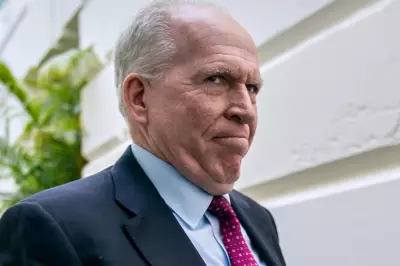
Andy Burnham has officially requested to stand in the Gorton and Denton by-election, a move that would see him quit his role as Manchester mayor and potentially pave the way for a direct challenge to Keir Starmer for the Labour leadership. This strategic decision, announced on 24 January 2026, could dramatically reshape the UK's political landscape, setting Burnham on a five-step path to becoming Prime Minister.
The Five-Step Route to Downing Street
Mr Burnham's ambitious plan hinges on a series of critical political manoeuvres, each step bringing him closer to the top job. Here is a detailed breakdown of the process he must navigate to topple Keir Starmer and assume leadership.
Step One: Securing the By-Election Candidacy
The initial and most immediate hurdle involves being selected by the Labour Party to stand in the Gorton and Denton by-election. This selection is crucial as it would allow Burnham to re-enter Parliament as an MP, providing him with the necessary platform and parliamentary presence to launch a leadership bid. Without this seat, his ambitions would be stalled at the outset.

Step Two: Forcing a Leadership Contest
Once reinstated as an MP, Burnham would need to gather significant support within the parliamentary Labour Party. To force a leadership contest, he must secure the backing of at least 20% of Labour MPs, which translates to approximately 80 members. This step requires careful lobbying and coalition-building to demonstrate substantial discontent with Starmer's leadership.
Step Three: Winning the Labour Leadership Vote
The leadership election itself involves a complex voting process among Labour Party members, affiliated trade union members, and members of socialist societies. Burnham must secure the highest number of votes, potentially navigating run-off rounds if no candidate achieves an outright majority initially. This phase tests his popularity and policy appeal across the party's broad membership base.
Step Four: Certification by the National Executive Committee
Following the ballot, the Labour Party's National Executive Committee (NEC) must certify the result. Upon official confirmation, Andy Burnham would be declared the new Leader of the Labour Party, a title that positions him as the primary opposition figure and potential future Prime Minister.
Step Five: Assuming the Role of Prime Minister
The final step sees the sitting Prime Minister, Keir Starmer, resign from office. As the newly appointed Labour leader, Burnham would then be invited by the monarch to form a government. After accepting this invitation, he would be formally appointed as Prime Minister, completing his journey from Manchester mayor to the highest office in the land.
Political Implications and Strategic Calculations
This bold move by Andy Burnham underscores the intense internal dynamics within the Labour Party. By targeting the Gorton and Denton by-election, he is leveraging his high profile as Manchester mayor to re-enter national politics at a pivotal moment. The potential challenge to Keir Starmer reflects ongoing debates about party direction, leadership style, and electoral strategy ahead of future general elections.
Observers note that Burnham's popularity in the North of England and his stance on issues like devolution and public services could resonate with segments of the Labour membership seeking a shift in approach. However, the path remains fraught with challenges, including securing the necessary MP support and winning over a diverse electorate within the party.
The coming months will be critical as Burnham navigates these steps, with the by-election serving as the first major test of his viability. Should he succeed, it could trigger a significant realignment in UK politics, marking one of the most dramatic leadership contests in recent Labour history.