
A new study reveals a significant shift in British Jewish voting patterns, with support for the Green party and Reform UK rising sharply as backing for Labour and Conservatives plummets. Research from the Institute of Jewish Policy Research (JPR) shows combined support for the two main parties fell from nearly 84% in 2020 to 58% by July 2025, described as the lowest level ever recorded.
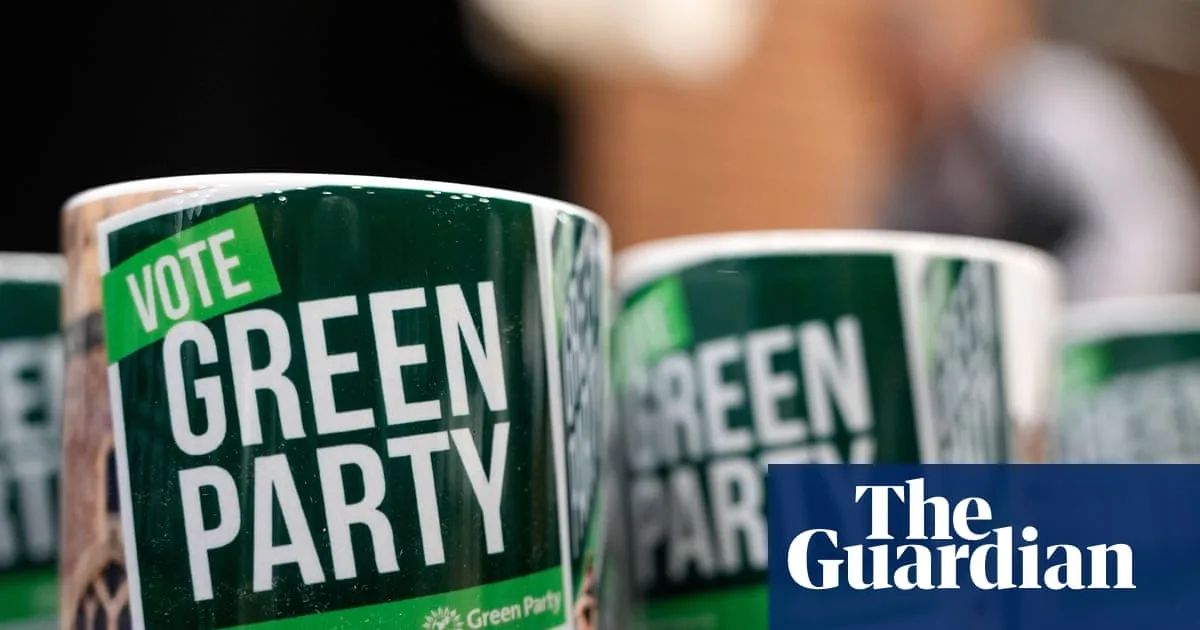
The Green party has seen a surge in support among British Jews, reaching 18% by June 2025, up 9% since the August 2024 general election. This growth far outstrips the 1% rise in Green support among the wider electorate. The JPR notes this is "paradoxical" given the party's stance on Israel, which it labelled an "apartheid state" in 2024. The report suggests that for a significant minority of Jews, domestic priorities and progressive values outweigh foreign policy concerns.
Support for Reform UK among British Jews rose from 3% in August 2024 to 11% in June 2025, though this lags the 14% rise among the wider electorate. The JPR describes the surge in Jewish support for Reform as "striking," given the party's rhetoric on immigration and nationalism. Dr Jonathan Boyd, JPR's executive director, notes that Reform UK tends to attract older, male, orthodox, and Zionist Jews, while the Greens appeal to younger, unaffiliated, and anti-Zionist Jews.
The report identifies three key drivers of this fragmentation: the war in Gaza and its polarising effect on Jewish attitudes; rising antisemitism, culminating in the Heaton Park Synagogue terrorist attack; and a broader collapse of trust in mainstream parties. The JPR warns that if these trends persist, British Jews are likely to become more politically polarised, potentially increasing internal community tensions.




