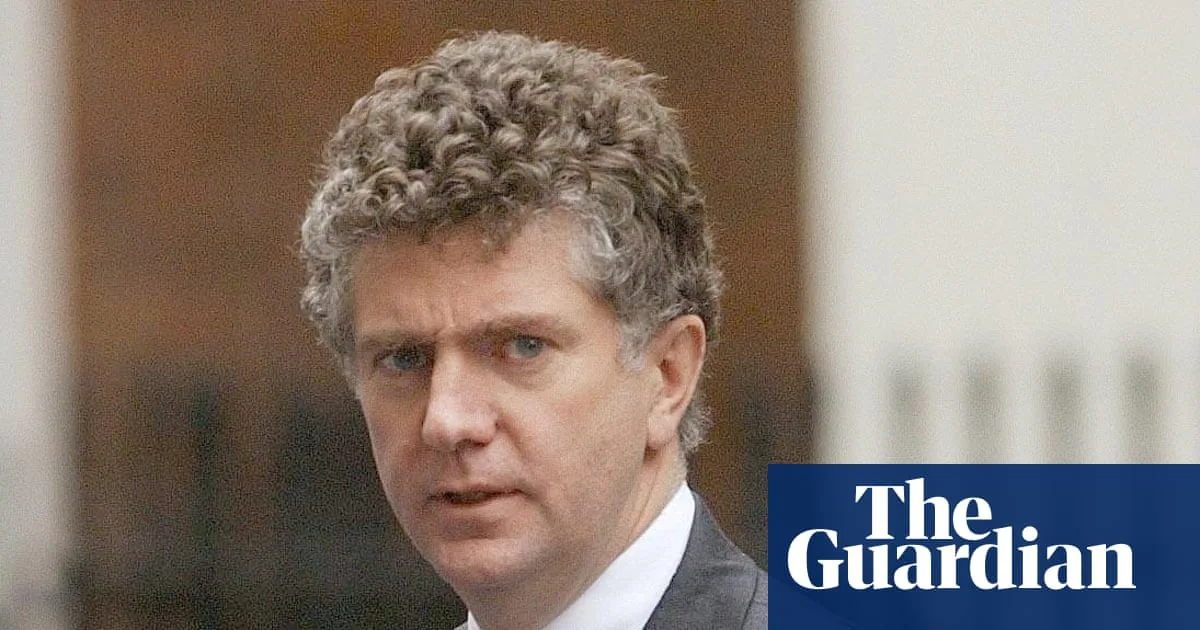
Jonathan Powell, the national security adviser to Prime Minister Sir Keir Starmer, is set to appear before a parliamentary committee for the first time amid questions over his role in the abandonment of a major Chinese espionage case against two Britons. The hearing before the joint committee on the national security strategy, chaired by Labour MP Matt Western, will take place in the coming weeks, ending a year-long standoff during which ministers refused to make Powell available for scrutiny.
The trial of Christopher Cash, a former parliamentary aide, and Christopher Berry was due to begin this month but was suddenly dropped by the Crown Prosecution Service on 15 September. Both men denied charges of spying for China. Prosecutors said the evidential standard was “no longer met”, but reports have linked the collapse to a meeting of senior Whitehall officials, including Powell and Foreign Office permanent under-secretary Oliver Robbins, to discuss the case.
According to the Sunday Times, Powell told the meeting that the government’s evidence would be based on the national security strategy, which describes China as a “geo-strategic challenge” rather than an “enemy”, making it impossible to prove the case under the Official Secrets Act. Downing Street strongly denied any government interference, with the prime minister’s spokesperson stating that suggestions the government withheld evidence or restricted witnesses were “untrue”.

Committee chair Matt Western accused ministers of “using a quirk of his appointment as a special adviser” to “erode democratic norms”, noting that Powell is the first national security adviser since the role was created in 2010 not to appear before the committee. Meanwhile, the intelligence and security committee, chaired by Labour peer Kevan Jones, will also examine the case as part of its regular work to determine if further investigation is needed.
Powell, a former chief of staff to Tony Blair and architect of the Good Friday Agreement, has emerged as a key figure shaping foreign policy under Starmer, often referred to as the de facto foreign secretary. He is heavily involved in UK-US relations and previously negotiated the Chagos Islands sovereignty dispute. His appearance will likely see questions not only on the spying case but also on the government’s broader national security approach.