Mary Trump, the niece of former President Donald Trump, has broken her silence on what she describes as her uncle's escalating misogynistic attacks directed at female journalists, suggesting this behaviour indicates a man feeling both comfortable with such conduct and increasingly pressured.
A Pattern of Personal Insults
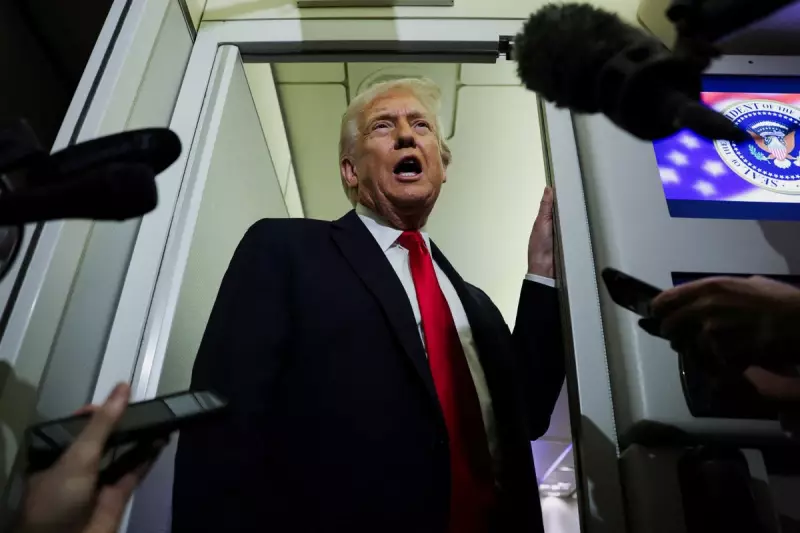
The analysis from the president's own family member follows a series of verbal assaults he launched in November 2025. The most recent incident occurred when a female reporter challenged his assertion that the Biden administration had failed to properly vet Afghan refugees. In response, the president openly asked her if she was a "stupid person".
This was not an isolated event. Other recent targets include a New York Times reporter, whom he labelled "third rate" and "ugly". He also berated an ABC News correspondent as "terrible" and told a Bloomberg reporter to be "quiet, piggy".

White House Dismissal and Historical Context
The White House was swift to dismiss Mary Trump's claims. Steven Cheung, the White House Communications Director, retaliated by calling her "a stone-old loser who doesn’t have a clue about anything".
Accusations of misogyny have shadowed the former president since his initial campaign in 2016. Key controversies that fuelled these allegations include the release of the 'Access Hollywood' recording and his infamous reference to Hillary Clinton as a "nasty woman" during a presidential debate.
What This Behaviour Suggests
According to his niece, this recent spate of aggressive and personal comments aimed specifically at women in the press corps is a telling sign. Mary Trump believes these misogynistic attacks reveal a leader who is growing more accustomed to such rhetoric and may, in fact, be feeling rattled or cornered, leading him to lash out.
The pattern raises significant questions about the treatment of female journalists in the political sphere and the normalisation of such personal and gendered criticism from the highest levels of power.