Iran-US Conflict Threatens Global Sporting Calendar and Top Athletes
The escalating conflict between Iran and the United States in the Middle East is having a profound and far-reaching impact on global sports, placing major events and high-profile athletes at significant risk. A wave of cancellations and severe travel disruptions has already begun, casting uncertainty over the schedules of stars like Lionel Messi, Cristiano Ronaldo, and Lewis Hamilton, while forcing critical decisions on upcoming fixtures.
Immediate Disruptions to Football and Motorsport
Football matches are among the first casualties, with Cristiano Ronaldo's Al Nassr facing potential postponements or cancellations of their Asian Champions League fixtures due to safety concerns. Similarly, Lionel Messi's highly anticipated 'Finalissima' match, where Argentina is set to face Spain in Qatar later this month, is now under a cloud of doubt as travel logistics become increasingly precarious.
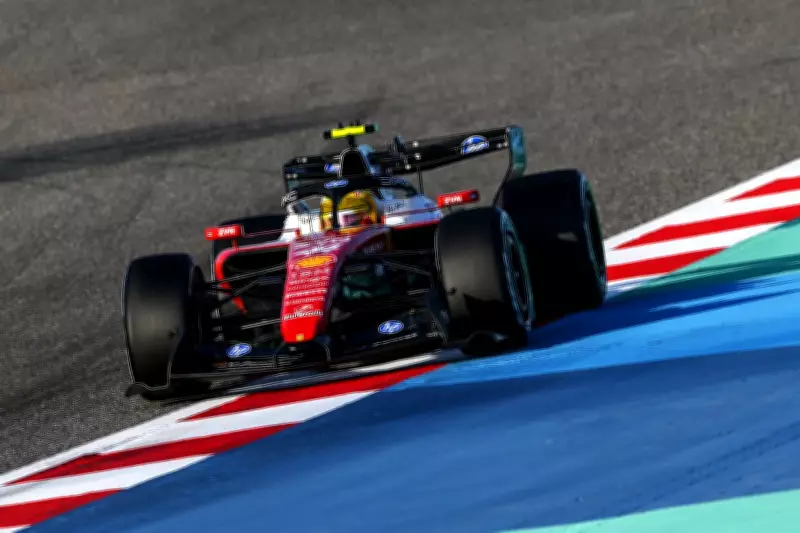
In the world of motorsport, the Formula 1 calendar is under direct threat. The Bahrain Grand Prix scheduled for next month is at the centre of urgent discussions, with the governing body FIA emphasising that "safety and wellbeing" are the top priorities in determining whether the race can proceed. The subsequent Saudi Arabian Grand Prix also faces similar scrutiny, highlighting the vulnerability of international sporting events in the region.

Travel Strands Athletes and Jeopardises World Cup Participation
Travel issues are stranding athletes across various sports, creating logistical nightmares. Tennis player Daniil Medvedev is among those reportedly affected, with his ability to compete in upcoming tournaments compromised by the conflict's impact on air travel and regional stability.
More broadly, the situation casts significant doubt over Iran's men's football team's participation in the upcoming World Cup in the United States. With geopolitical tensions escalating, their ability to travel and prepare for the tournament is severely hindered, potentially altering the competitive landscape of one of the world's premier sporting events.
The Middle East's Pivotal Role in Global Sports
This disruption underscores the Middle East's vital and growing role as a host, funder, and employer for top global athletes. Nations like Saudi Arabia and Qatar have heavily invested in international sports, from golf and boxing to football and motorsport, making the region a cornerstone of the modern sporting calendar.
The conflict threatens not only immediate events but also the long-term partnerships and economic investments that have transformed the sports industry. As safety concerns mount, organisers and governing bodies are forced to weigh the risks against the benefits of maintaining events in a volatile geopolitical climate.
In summary, the Iran-US conflict is rippling through the global sports world, with potential cancellations, travel chaos, and athlete safety issues looming large. The coming weeks will be critical as decisions are made on events like the Bahrain Grand Prix and Messi's 'Finalissima', testing the resilience of international sports in the face of geopolitical strife.