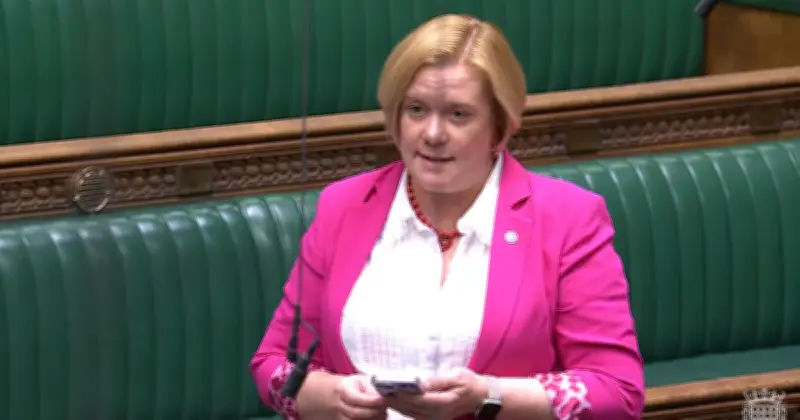
The Department for Work and Pensions (DWP) has officially responded to calls for a reduction in the state pension age to 60 for women and 65 for men. In a recent parliamentary session, Liberal Democrat MP Zöe Franklin posed a question to the Secretary of State for Work and Pensions, Pat McFadden, inquiring whether the department had assessed the potential merits of such a change.
Government's Stance on Pension Age
Torsten Bell, Parliamentary Under-Secretary of State for Pensions, delivered the government's response. He stated that the government is mandated to regularly review the state pension age under the Pensions Act 2014. Bell noted that the current review, the third of its kind, is underway and will consider life expectancy data and other evidence. He also criticised the previous coalition government for accelerating pension age increases unfairly.
Currently, the state pension age is 66, but it is gradually rising to 67 over the next two years. This increase affects individuals born between April 1960 and April 1977, with specific dates determining their exact pension age. For example, those born between 6 April and 5 May 1960 will have to wait an extra month, reaching pension age at 66 years and one month.

Impact on Pre-Pensioners
The Work and Pensions Committee has launched an inquiry into the income gap affecting those nearing state pension age. Committee Chair Debbie Abrahams highlighted that people aged 60-64 are among the most financially vulnerable working-age adults, with 22% living in poverty in 2023/24. She emphasised that many have worked for decades but face hardship before accessing their pension.
Previous increases to the state pension age have been controversial, particularly the changes that sparked the Waspi campaign, where women claimed they were not given sufficient notice. According to the Institute for Fiscal Studies (IFS), some affected individuals have had to dip into private pension savings, and life satisfaction has declined. The rise has also led to a 10 percentage point increase in employment rates among older age groups as people stay in work longer.
Future Outlook
The state pension age is scheduled to rise to 68 between 2044 and 2046, but a forthcoming review may alter this timeline. Elaine Smith from the Centre for Ageing Better pointed out that life expectancy has fallen since the pandemic, questioning the rationale for further increases.
A DWP spokesperson reaffirmed the government's commitment to financial support for all ages, noting that those below state pension age can access benefits like Universal Credit.
State Pension Age by Date of Birth
- 6 April 1960 – 5 May 1960: 66 years, 1 month
- 6 May 1960 – 5 June 1960: 66 years, 2 months
- 6 June 1960 – 5 July 1960: 66 years, 3 months
- 6 July 1960 – 5 August 1960: 66 years, 4 months
- 6 August 1960 – 5 September 1960: 66 years, 5 months
- 6 September 1960 – 5 October 1960: 66 years, 6 months
- 6 October 1960 – 5 November 1960: 66 years, 7 months
- 6 November 1960 – 5 December 1960: 66 years, 8 months
- 6 December 1960 – 5 January 1961: 66 years, 9 months
- 6 January 1961 – 5 February 1961: 66 years, 10 months
- 6 February 1961 – 5 March 1961: 66 years, 11 months
- 6 March 1961 – 5 April 1977: 67 years
The DWP is actively raising awareness of these changes, especially for those born between 1960 and 1961, who will have a state pension age of 66 plus a specified number of months.