
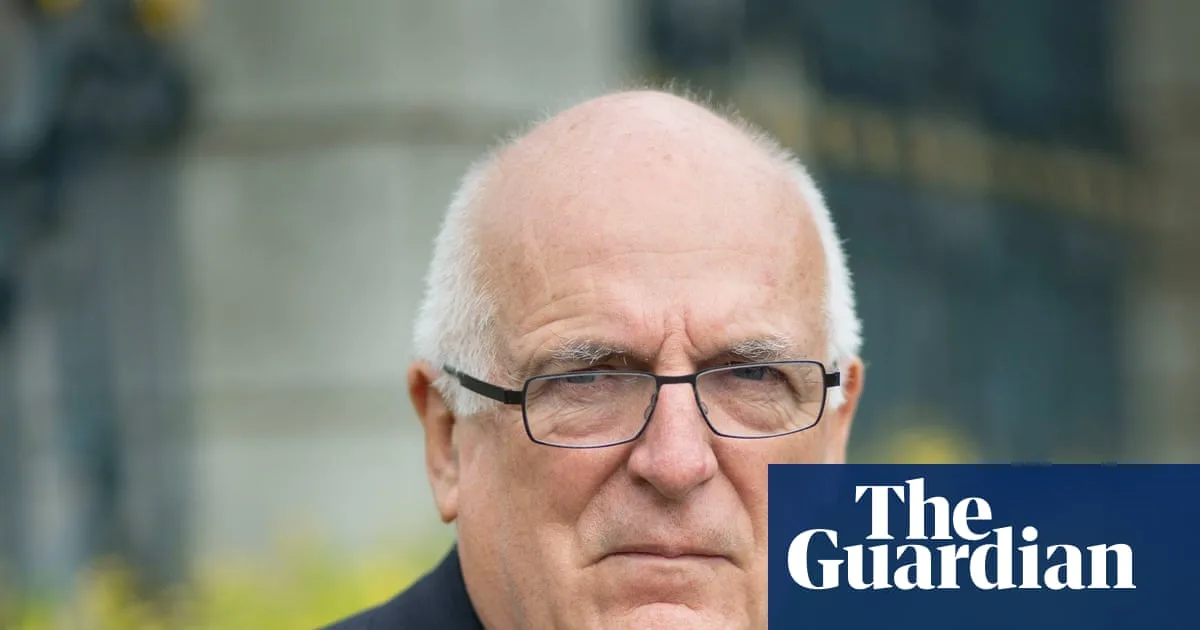
A former head of MI6 has described as 'completely extraordinary' the decision to grant Peter Mandelson security clearance for his role as UK ambassador to the US, despite warnings about his associations with senior figures in China, Russia and Israel. Richard Dearlove, who led the Secret Intelligence Service from 1999 to 2004, said it would have been 'totally impossible' for the Foreign Office to implement mitigations to manage the risks identified by security officials.
Dearlove questioned what measures could have been put in place, suggesting that restricting the ambassador's access to certain papers would be unworkable. 'When I was head of MI6, if I'd been warned not to share papers with a minister or ambassador, I'd have asked to discuss the situation with the foreign secretary or the prime minister,' he said.
The Guardian revealed that the government's vetting agency, UK Security Vetting (UKSV), flagged Mandelson's links to China's finance minister Lan Fo'an, sanctioned Russian oligarch Oleg Deripaska, former Israeli military intelligence general Tamir Hayman, and a close relationship with a British individual deemed potentially compromising. A £1m loan Mandelson received for an Israeli startup was also cited as a concern.
Despite UKSV recommending denial of clearance, former permanent secretary Olly Robbins granted it, citing 'management actions' to mitigate risks. Emily Thornberry, chair of the foreign affairs select committee, expressed anger, calling Robbins' claim that the case was 'borderline' incredible. Robbins has not responded to requests for comment.
The government faces pressure to release all documents related to Mandelson's appointment after a parliamentary motion. However, the intelligence and security committee has accused the government of withholding documents and applying overly broad redactions. Liberal Democrat leader Ed Davey and shadow foreign secretary Priti Patel criticised the prime minister's decision, with Patel calling it 'reckless'.




