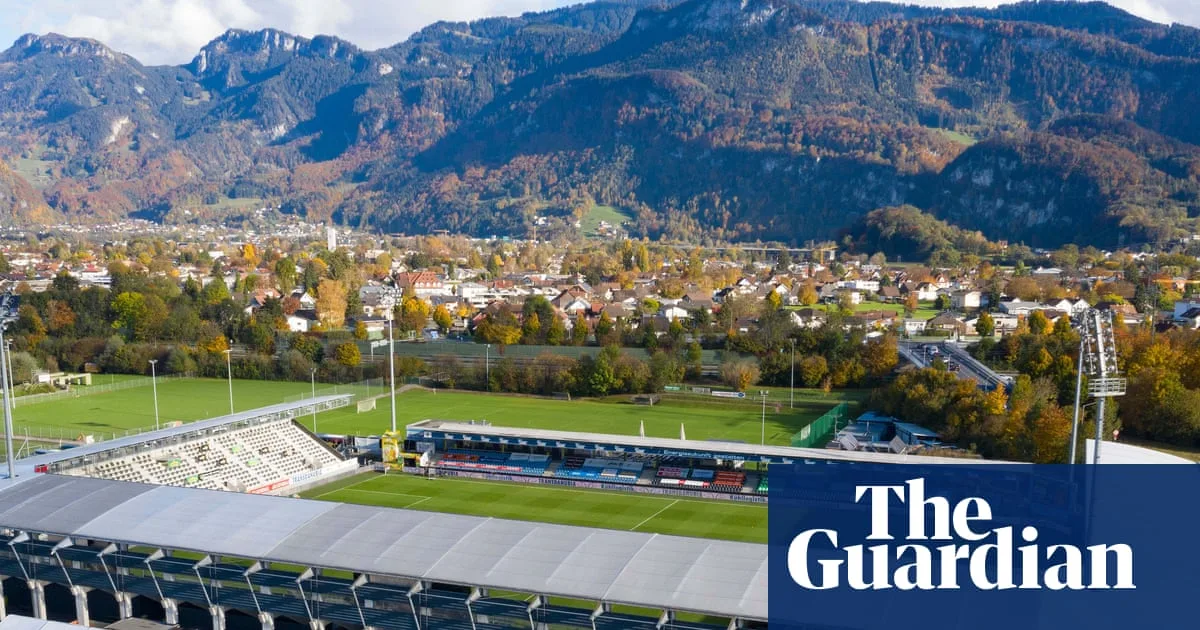
A man has been handed a seven-month suspended prison sentence and fined €1,200 (£1,046) after being found guilty of secretly filming and photographing players of the Altach women's football team in their changing room, gym, and showers. The court in Feldkirch, Austria, also ordered him to pay each victim €625 in compensation.
The defendant, who worked at the club between 2020 and 2025, was a top-level referee in Switzerland and an official at Altach. Around 30 players were identified in the recordings and pictures, according to the prosecutor. The judge noted that there is a significant difference between viewing images and creating them oneself. The defendant accepted the sentence, but the prosecutor may appeal.
Former Altach player Eleni Rittmann, now with Evian in France, expressed outrage on Instagram, stating: 'This leaves me speechless. The perpetrator was not only a top-level referee in Switzerland but also an official at Altach. And that is where he filmed players, including minors. I then ask myself, is this an appropriate punishment? Does such a punishment act as a deterrent for others? We felt secure in our dressing room and this hurt our privacy so badly that some of us do not feel safe in public showers even now. For me this is not a strong enough signal for something that is not tolerated in our society.'

A victim statement read in court said: 'We are young women, partly still young girls. What has happened has pulled the rug from under our feet. For years he told us that the dressing room was our home but this home was then destroyed by someone who we thought was part of this family.' The Austrian sport minister, Michaela Schmidt, called the crimes 'disgusting' and said: 'If female athletes are not even safe in their own dressing rooms because of an official then they have nothing to stand on.'
The defence lawyer said the photos and videos had not been shared with a third party and have been seized and destroyed. The defendant apologised in court, saying: 'I agree with the statements made by my lawyer, but I would still like to express my sympathy to all those affected and apologise for my actions.' The club said it is working with the Austrian FA and Sports Federation on increased security measures, with a report expected in March.