

Mass Protests Meet Far-Right Youth Launch
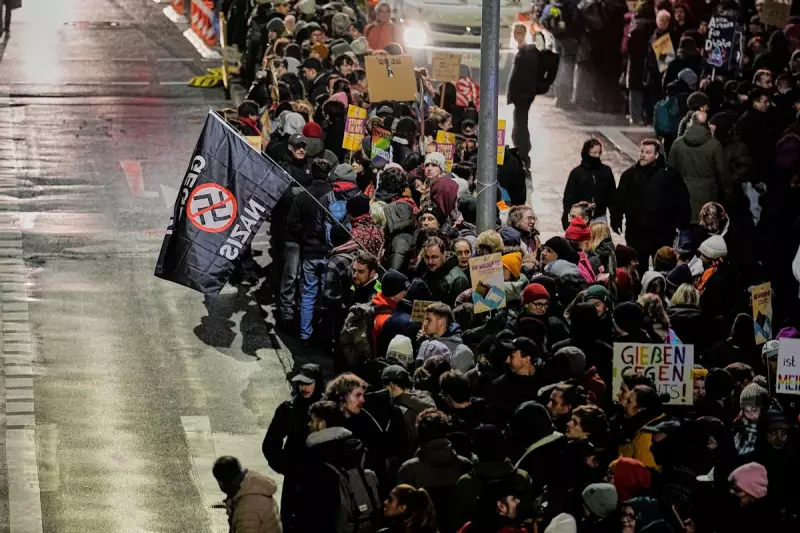
Thousands of demonstrators gathered in the western German city of Giessen on Saturday, creating a formidable counter-presence as the far-right Alternative for Germany (AfD) party prepared to launch its new youth organisation. The city, with a population of approximately 93,000, became the focal point of significant political tension.
Confrontation and Police Response
In the early hours of the morning, groups of protesters took direct action by blocking or attempting to block roads in and around Giessen. The situation escalated at one location where police confirmed they used pepper spray after individuals threw stones at officers.
The founding convention for the new youth group, expected to be named Generation Germany, was scheduled to take place at Giessen's convention centre. This move comes after AfD's decision to formally dissolve its previous youth wing, the Young Alternative, at the end of March. The party seeks to establish closer oversight over this new entity, unlike its predecessor which operated with considerable autonomy.

Rising Influence and Official Scrutiny
The political context for these events is significant. The AfD finished second in Germany's national election in February, securing over 20% of the vote and establishing itself as the country's principal opposition party. Its poll numbers have continued to climb as Chancellor Friedrich Merz's coalition government has struggled to gain traction with voters.
Germany's domestic intelligence agency had previously determined that the Young Alternative was a proven right-wing extremist group. The agency later applied the same classification to the AfD itself, though this designation was suspended after the party mounted a legal challenge. While youth wings of political parties in Germany are typically more radical than their parent organisations, the official extremist classification marks a serious escalation in scrutiny.
The AfD has successfully positioned itself as an anti-establishment force, capitalising on widespread distrust of mainstream politicians. The party first entered the national parliament in 2017, riding a wave of public discontent surrounding the large-scale migration of the mid-2010s. While curbing immigration remains its signature policy, the party has demonstrated a shrewd ability to harness public frustration on a variety of other issues in recent years.






