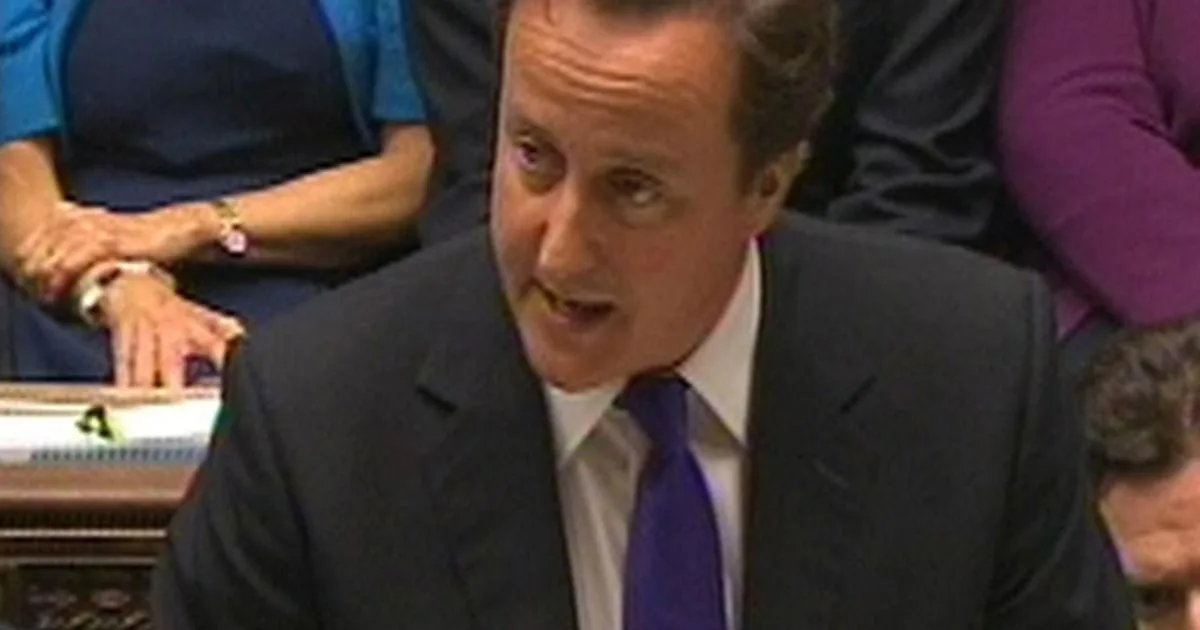
Keir Starmer announced his resignation as prime minister and Labour leader on Monday morning, less than two years after winning a landslide general election. The announcement, described as emotional, has triggered a leadership contest that could see Andy Burnham enter No 10 uncontested.
Starmer's Resignation
Starmer, who led Labour to a huge majority in the last general election, stepped down amid mounting pressure from within his party and declining public approval. His tenure was marked by challenges including economic stagnation, internal party divisions, and unmet policy promises.
Leadership Contest
The question now is who will replace him. Andy Burnham, the mayor of Greater Manchester, is widely seen as the frontrunner. Burnham has maintained a strong public profile and could potentially sweep into No 10 uncontested if no other major candidates emerge. However, other Labour figures may still enter the race.

According to sources close to the party, Burnham's appeal lies in his ability to reconnect with traditional Labour voters and his track record on regional issues. Critics argue he may struggle to replicate Starmer's electoral success.
Impact and Next Steps
The resignation leaves a power vacuum at a critical time for the UK, with ongoing economic pressures and Brexit-related challenges. The Labour Party will now initiate a leadership election process, with a timeline expected to be announced shortly. Starmer's resignation marks a dramatic shift in UK politics, less than two years after his historic victory.
The Guardian's Politics Weekly UK podcast will continue to cover developments, inviting listeners to send comments and questions to politicsweeklyuk@theguardian.com.