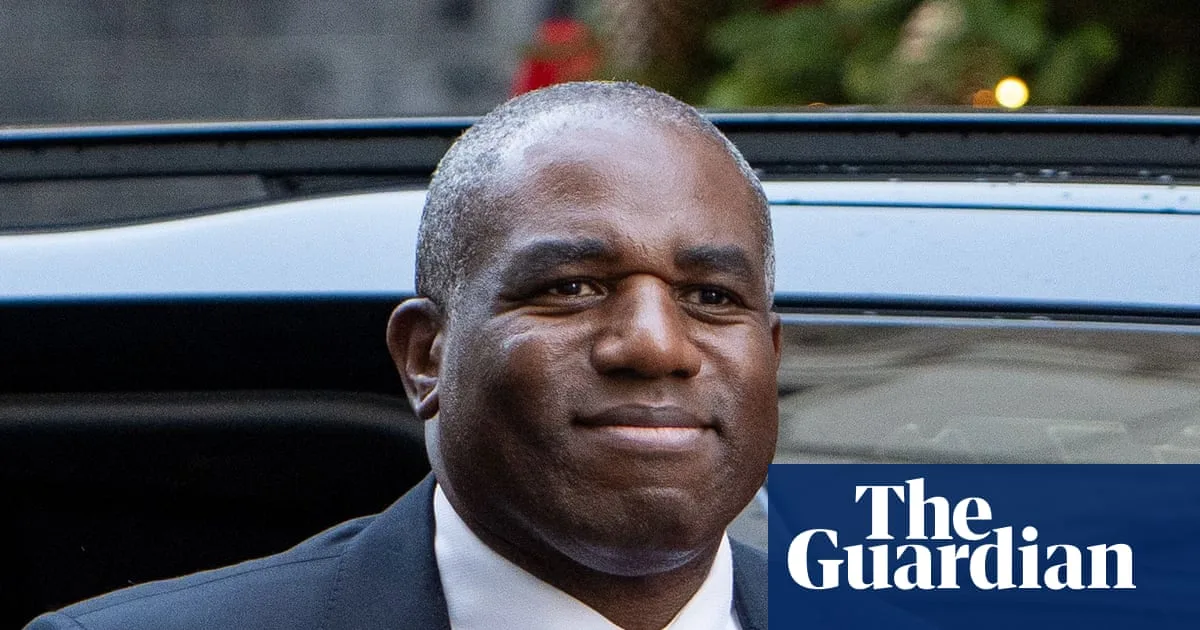
Labour MPs Rebel Against Lammy's Jury Trial Cuts to Tackle Court Backlog
Labour MPs Rebel Against Jury Trial Cuts to Tackle Court Backlog

Labour MPs Rebel Against Government Plans to Scale Back Jury Trials

Almost a quarter of Labour MPs are prepared to defy the government by blocking proposals to drastically cut the right to trial by jury. Opponents, led by Justice Secretary David Lammy, estimate that around 80 Labour members will refuse to support the measure when it is presented in the Commons this week for its second reading vote.

Addressing the Crown Court Backlog Crisis

The Labour Government is introducing a package of reforms designed to prevent the backlog of cases from spiralling further out of control. Currently, the Crown court backlog stands at a record 80,000 cases and is projected to reach 100,000 within the next year. To combat this, the government plans to scale back jury trials, with cases instead being heard by a judge sitting alone.

The Courts and Tribunals Bill will be brought to the Commons on Tuesday, where the government is expected to secure a victory in the vote. However, opponents acknowledge they lack the numbers to defeat the entire bill and are likely to abstain as a demonstration of their discontent. They intend to challenge specific provisions related to juries at later stages of the legislative process.

Wide Pickt banner — collaborative shopping lists app for Telegram, phone mockup with grocery list

Strong Opposition from Within the Party

Karl Turner, the Labour MP leading the opposition to these changes, emphasised the firm stance of his colleagues. In a statement to the Telegraph, he declared, 'The Government needs to realise that the votes against these unworkable jury proposals are solid and MPs will vote against them unless it comes back with a sensible compromise.'

Official Ministry of Justice documents indicate that the proposed reforms could initially lead to a spike in the prison population but ultimately result in fewer offenders being incarcerated. Research from the government also suggests that in jurisdictions where judge-only trials have been implemented, there has been an increase in acquittals and shorter jail sentences.

Architect of the Controversial Proposals

Sir Brian Leveson, a retired Court of Appeal judge, is the architect behind these contentious plans to reduce jury trials. Some trials in London are already scheduled as far ahead as 2030, highlighting the severity of the backlog. Modelling released by the Ministry of Justice predicts that without intervention, the Crown Court backlog could exceed 100,000 cases by next year.

In an effort to mitigate this growth, the government has announced unlimited court sitting days. However, even the most optimistic projections, which include major structural reforms and efficiency drives, suggest the backlog will only stabilise at around 83,000 cases by the end of the Parliament in 2029.

Embracing Digital Modernisation and AI

Last month, Justice Secretary David Lammy advocated for digital modernisation across the courts system, including the use of artificial intelligence to take notes and summarise judgments. Speaking at the Microsoft AI Tour in London, Lammy revealed that the Ministry of Justice is one of the fastest-growing users of Microsoft's AI-powered assistant, Copilot.

As part of his report on reforming the criminal justice system, Sir Brian Leveson proposed that courts could utilise AI summaries of witness statements during case management decisions. While the Magistrates Association expressed support for aspects of Sir Brian's report, they cautioned that the ambition to harness AI might be overly optimistic.

The association noted, 'The history of IT projects in the courts system is not a happy one,' pointing out that some magistrates still lack working laptops and urging the courts service to focus on getting the basics right before pursuing advanced technological solutions.

Pickt after-article banner — collaborative shopping lists app with family illustration




