Marriage Rates Decline as Gender Expectations Shift Dramatically
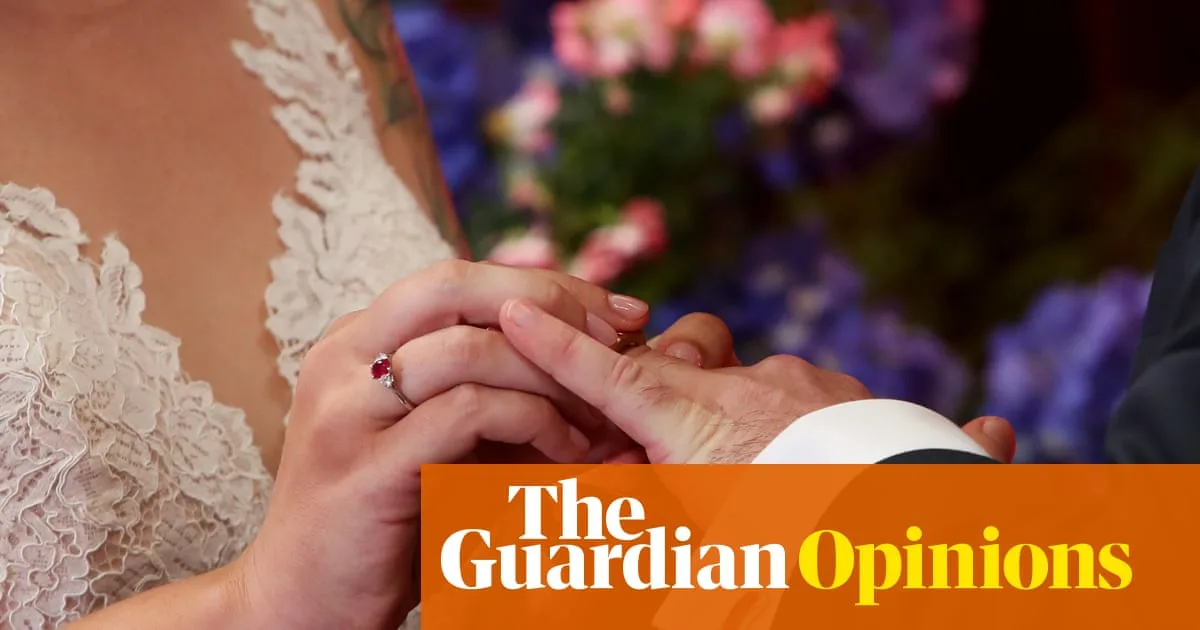
Recent official data reveals that marriages in England and Wales have decreased by nearly 9% following a post-pandemic surge, while civil partnerships have increased by almost the same percentage. This trend mirrors similar patterns observed in the United States, indicating a broader cultural shift away from traditional marital institutions.
The Growing Gender Divide in Marriage Aspirations
A University of Michigan survey highlights a significant generational divide, finding that only 61% of high-school girls envision themselves marrying one day, compared to 74% of their male counterparts. This 13-percentage-point gap suggests fundamentally different expectations about relationships between young men and women. The disparity has sparked numerous opinion pieces where right-wing men lament their dating struggles, despite their professed libertarian values that should theoretically embrace free market dynamics in relationships.
What's Driving Young Women Away From Marriage?
Several factors contribute to this declining interest in marriage among young women. For those dating men, some male expectations appear increasingly unappealing. Seventy-nine-year-old baronet Benjamin Slade exemplified this with his requirements for a wife: 'at least 20 years younger', 'good breeder', and specific height and astrological restrictions, while explicitly excluding Guardian readers.
Beyond individual preferences, more fundamental objections to the institution itself are emerging. Many young women view marriage as a form of state authority and coercion they prefer not to endorse through participation. Governments use tax breaks, hospital visitation rights and other financial incentives to privilege marital relationships over alternative arrangements like non-monogamy or communal living.
Relationship patterns are also changing earlier in the process. YouGov data shows that half of 18- to 34-year-old Americans have experienced a 'situationship' - defined as a romantic relationship that hasn't yet become a committed partnership. Typically, only one person in these arrangements considers it a potential pathway to something more formal.
The Capstone Versus Cornerstone Shift
A New York Times podcast recently explored why people still want to marry but aren't following through. One explanation identifies marriage as increasingly viewed as a 'capstone' rather than a 'cornerstone' of adulthood. Today's economic reality means many feel they need stable finances, established careers and secure housing before considering marriage - all increasingly difficult achievements in an era of precarious employment and unaffordable housing.
For some, marriage remains a necessary precursor to having children. However, many young women observed the unequal distribution of caring responsibilities during the COVID-19 pandemic and have concluded that the burdens placed on them as parents would be overwhelming within traditional structures.
The optimistic perspective suggests that rather than being excluded from marriage, women are no longer being forced into it. As one commentator noted, 'The optimistic spin is that rather than being cut off from marriage, we're not being forced into it any more.' This shift could create a future where only those who genuinely want to marry do so - potentially creating more successful unions and happier outcomes for all involved.




