
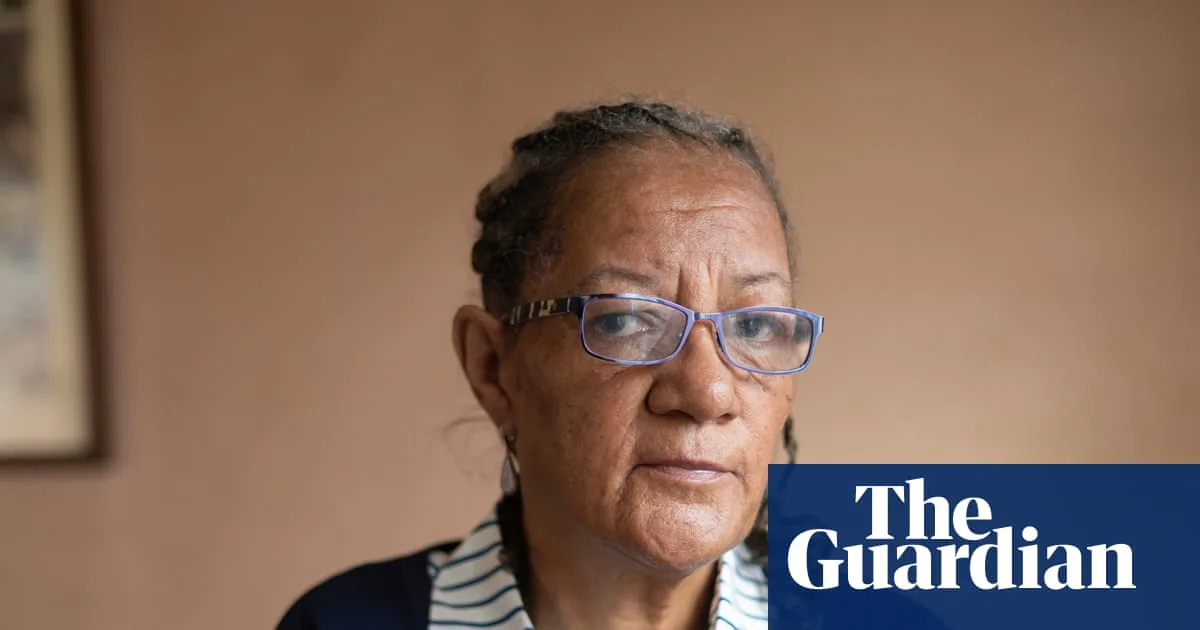
Rosemary Adaser, 70, a survivor of Ireland's mother and baby home scandal, faces losing at least £1,000 a month in housing benefit if she accepts compensation from the Irish payment scheme. The scheme, which opened in 2024, is intended to compensate those placed in abusive institutions for being born out of wedlock. However, a legal loophole means payments from a foreign government are not subject to normal 'capital disregard' provisions, so they can be treated as cash savings for means-testing benefits and social care.
Adaser, who lives in Ealing, west London, is a twin. Her brother, Anthony Adaser, still resides in Ireland and has received his full compensation without penalty. He described the disparity as 'galling', noting that it robs his sister of the 'peace of mind' his settlement has provided in retirement. The twins were separated from their parents as children and placed in institutions, where they endured abuse, neglect, and forced labour.
On 13 March, Prime Minister Keir Starmer announced that the Westminster government would introduce 'Philomena's law' to protect survivors from such penalties. However, no legislative timetable has been set. The Department for Work and Pensions (DWP) issued guidance on 2 April stating that compensation payments should be disregarded indefinitely as capital for income-related benefits, but survivors and their lawyers report that the DWP is not in direct contact with them, leaving elderly individuals to fight local authorities individually.
Adaser said: 'This is just another institutional abuse. I raised my family without any recourse to benefits. Now, when I'm unable to work, the government's inaction is killing me off.' She added that survivors are 'terrified to show their faces' in case their benefits are cut, and that she is 'too terrified to apply for compensation' because she needs housing benefit to remain independent. Her lawyer, Caoilfhionn Gallagher KC, urged ministers to implement Philomena's law 'without delay', asking: 'How much longer are elderly, distressed survivors expected to wait?'
The DWP has said it is 'carefully considering' the situation. Adaser, a retired housing director, now wants to meet the prime minister to discuss her case.




