Australian Teens Launch High Court Challenge Against Social Media Age Restrictions
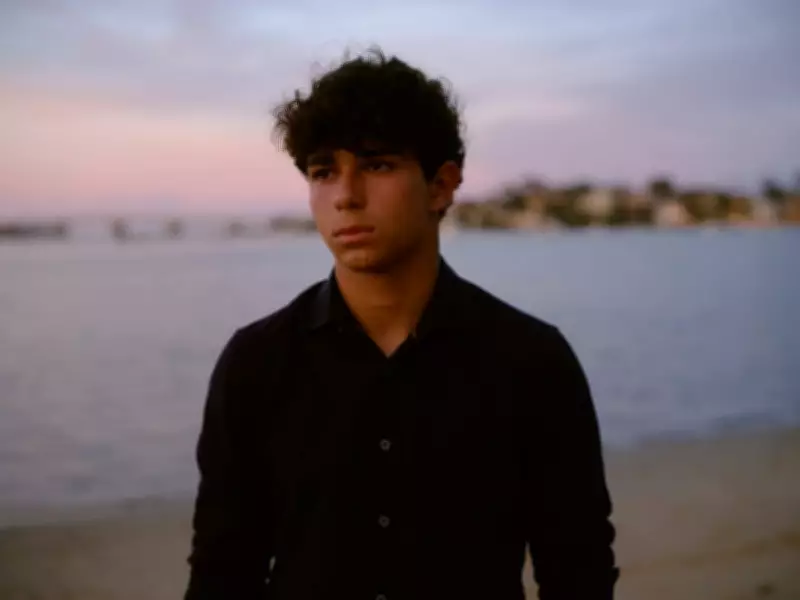
Fifteen-year-old Noah Jones from Sydney is at the forefront of a landmark legal battle, as one of two teenagers contesting Australia's social media ban in the nation's highest court. The ban, which imposes age restrictions on platforms including TikTok, Facebook, Instagram, Snapchat, YouTube, X, and Reddit, has sparked a fierce debate over digital freedoms and constitutional rights.
Bypassing the Ban: A Common Experience for Teens
Since the under-16 social media ban took effect in December, Noah Jones reports that his online life has remained largely unchanged. "I had a minor inconvenience on Instagram but then got past it," he says. "One of my mates got banned on Snapchat but then got around it. That's pretty much my whole experience of the ban." His story mirrors that of many Australian teens, with millions of accounts deactivated yet widespread circumvention of the rules.
According to eSafety commissioner Julie Inman Grant, over 5 million accounts have been deactivated, but more than two-thirds of teens under 16 remain active on the ten platforms subject to the ban, which also include Twitch, Kick, and Threads. Facial age estimation technology has proven easily bypassed for those aged within two years of 16, and half of the platforms are under assessment for non-compliance.

Constitutional Fight Over Freedom of Political Communication
The Digital Freedom Project, led by NSW Libertarian MP John Ruddick, is spearheading the high court challenge. They argue that the ban infringes on Australians' implied constitutional right to freedom of political communication, preventing teens from engaging in political discourse on social media. Prof Sarah Joseph of Griffith University's law school notes that if the law is ineffective, it may breach this freedom, as laws must be proportionate to their legitimate purpose, such as protecting youth mental health.
However, Monash University constitutional law professor Luke Beck counters that the law's purpose is to compel social media companies to take reasonable steps, not to achieve a complete ban. "If some companies are not complying with the law properly, that doesn't impact the law's constitutional validity," he says, pointing to enforcement mechanisms like fines of up to $49.5 million per breach.
Parental Perspectives and Legislative Backlash
Noah's mother, Renee Jones, strongly opposes the ban, facing online backlash for her stance. "It's my right to choose how I raise my children in a digital world," she asserts, highlighting her family's strict rules on device use, such as no devices in bedrooms and shared passcodes. She criticizes the rushed legislation, arguing it fails to address core issues like harmful content.
Communications minister Anika Wells has vowed to "throw the book at" non-compliant tech platforms and is pushing for a digital duty of care law, requiring platforms to prevent harm, with legislation expected this year. The high court will likely rule on the ban's validity before any fine cases proceed.
Broader Implications and Future Outlook
Noah, who turns 16 in August, emphasizes that his generation relies on social media for news and opinion-forming, rather than traditional media. The federal government admits the ban burdens free speech but defends it as necessary to reduce risks from features like recommender systems and endless feeds.
As the high court prepares to hear the case later this year, the outcome could reshape digital policy in Australia, balancing child protection with fundamental rights in an increasingly online world.