During my time residing in Moscow under the former Soviet Union, I occupied an apartment adjacent to the families of Leonid Brezhnev and Yuri Andropov, within a building predominantly inhabited by KGB veterans. Our living quarters boasted impressive 14-foot ceilings, elegant oak parquet flooring, ornate chandeliers, and stunning panoramic views of the city.
The Soviet Housing System: A Model of Economic Parity
Despite these luxurious features, the rent we paid was identical to that of a resident occupying a modest, cramped flat in Moscow's eastern districts. This arrangement was a hallmark of the Soviet housing policy, which aimed to enforce economic equality across different social strata, from high-ranking officials to ordinary citizens.
Privilege and Political Ideology: A Contemporary Reflection
The concept of privilege is often associated with left-wing political ideologies, which traditionally advocate for redistributive policies and social equity. My personal experience in Moscow serves as a historical example of how such ideals were implemented, albeit within a specific political framework.

In today's discourse, there is a growing tendency to criticise individuals who opt for private education or utilise private facilities, labelling them as morally questionable or detrimental to societal cohesion. This narrative warrants scrutiny and a more nuanced understanding.
Call for a Balanced Perspective on Private Choices
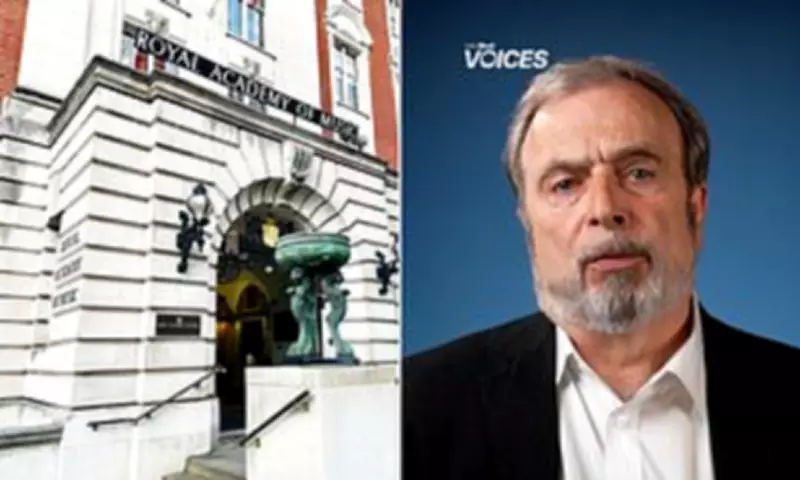
It is imperative to move beyond simplistic blame and instead foster a dialogue that acknowledges the complexities of personal choice within broader social and economic contexts. The video presentation above offers visual insights and further commentary on these themes, encouraging viewers to reflect on historical precedents and contemporary debates.
By examining past systems like the Soviet housing model, we can better appreciate the diverse ways in which societies have attempted to balance individual privilege with collective equality, informing current discussions on education, healthcare, and other public services.