Dunblane Father Confronted Tony Blair Over Handgun Ban After Daughter's Death
Dunblane Father Confronted Blair Over Handgun Ban

Dunblane Father's Emotional Confrontation with Tony Blair Over Handgun Ban

Kenny Ross, a father whose five-year-old daughter Joanna was killed in the Dunblane massacre, has recounted how he angrily confronted then-Labour leader Tony Blair to persuade him to back a total ban on handguns. The tragic event on March 13, 1996, at Dunblane Primary School claimed the lives of 16 children and their teacher, Gwen Mayor, in Britain's worst mass shooting, with gunman Thomas Hamilton taking his own life afterward.

The Meeting That Changed Gun Laws

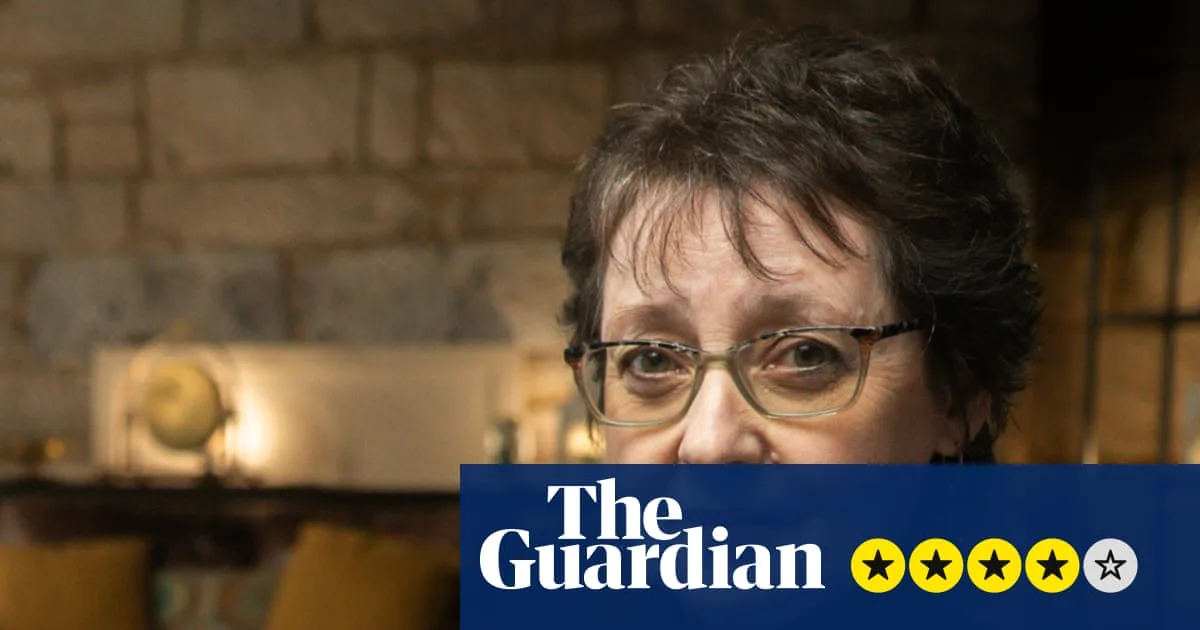
In the months following the atrocity, grieving parents, including Mr. Ross, met with Mr. Blair to urge him to outlaw handguns if elected Prime Minister. Mr. Ross, now 62, described losing his temper during one discussion, telling Mr. Blair to imagine his own daughter dead and buried. He recalled saying, "Have you got any children?" and upon Mr. Blair's affirmative response, adding, "Well, I had a daughter, she's now six foot under. That is why you have to do something about these gun laws."

The moment was met with total silence, as Mr. Ross reflected on whether his words were appropriate, but he aimed to highlight the seriousness of the issue. This confrontation occurred amid the Snowdrop Campaign, a petition founded after the massacre calling for a full handgun ban, which gained support from many bereaved families. At the time, Prime Minister John Major's Conservative government had implemented only a partial ban, excluding .22 calibre single-shot weapons.

Blair's Response and the Path to Legislation

Mr. Blair has since admitted that the meeting with the families convinced him to implement a total ban. After becoming Prime Minister in May 1997, one of his first actions was to invite the Dunblane parents to Downing Street to announce his commitment to the ban. In a new BBC documentary marking the 30th anniversary of the massacre, Mr. Ross shared that he asked Mr. Blair if his words had influenced the decision, to which Mr. Blair replied, "Not entirely," though Mr. Ross hopes it had some effect.

Recalling the encounter, Mr. Blair told the documentary that while he felt deeply for the families, as a political leader, he couldn't base all decisions on campaigns. However, he acknowledged that this demand was unique—not about money or priorities, but a terrible event that the country was determined should lead to change. Pam Ross, Kenny's wife, noted that her husband's words likely affected Mr. Blair as a father, emphasizing the ongoing pressure they kept on politicians to ensure vigilance for future generations.

Personal Loss and Legacy

Mr. Ross also paid tribute to his daughter, describing her as a lively "daddy's girl." He expressed that the hardest part, three decades later, is no longer remembering what her voice sounded like, lamenting the lack of videos from that pre-mobile phone era. The documentary, Dunblane: How Britain Banned Handguns, airs on BBC Scotland, highlighting how this personal tragedy spurred a landmark shift in UK gun control, driven by the relentless advocacy of grieving families.




