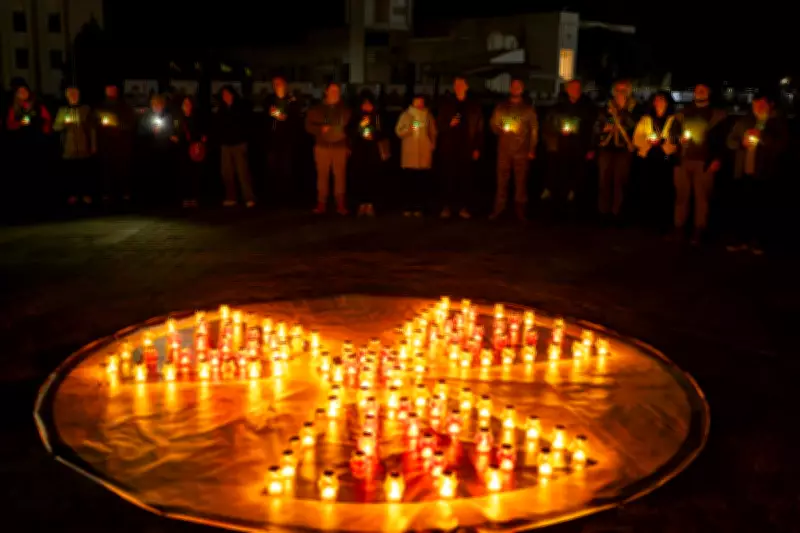
Forty years after the Chernobyl nuclear disaster, declassified files from East Germany's Stasi secret police have shed new light on the scale of Soviet misinformation. On April 26, 1986, a safety test at the Chernobyl power plant in Ukraine led to an explosion in reactor 4, releasing radioactive material hundreds of times greater than the Hiroshima atomic bomb. Despite widespread fallout across Europe, Soviet authorities worked tirelessly to conceal the true extent of the catastrophe.
Stasi Files Offer Unique Insight
While official Soviet records remain largely inaccessible in Moscow, the Stasi archives in Germany provide a partial workaround. East Germany, as a Soviet satellite state, maintained its own records, which were declassified after reunification in 1991. Researcher Lauren Cassidy spent three years studying these files, revealing that both the KGB and Stasi knew the explosion was devastating but prioritized reputation management over public safety.
Controlling the Narrative
Top officials crafted multiple press releases: one for the Soviet public, one for satellite states, and another for the West. Soviet leader Mikhail Gorbachev suggested claiming the plant was under renovation to avoid reflecting poorly on reactor equipment. In East Germany, the Stasi instructed media to report that there was "absolutely no danger," even as internal documents detailed hospitalizations, contaminated crops, and radiation levels.

Economic Manipulation
As public fear grew, people stopped buying local produce and dairy. The Stasi's solution was to export potentially contaminated goods to West Germany, claiming this would spread consumption safely. However, West Germany tightened border regulations, forcing lower-ranking Stasi workers to clean radioactive vehicles themselves, knowingly risking their health.
Disinformation as a Tool
The propaganda aimed to confuse and cast doubt rather than fully persuade. By the mid-1980s, many East Germans could access Western media, recognizing their government's lies but unsure of the truth. This erosion of trust contributed to the regime's downfall. When protesters stormed Stasi headquarters in 1990, resistance was minimal, as many workers had grown disillusioned.
The Chernobyl cover-up, Cassidy argues, strengthened the belief that the state did not have its people's best interests at heart, hastening the collapse of the communist bloc.