

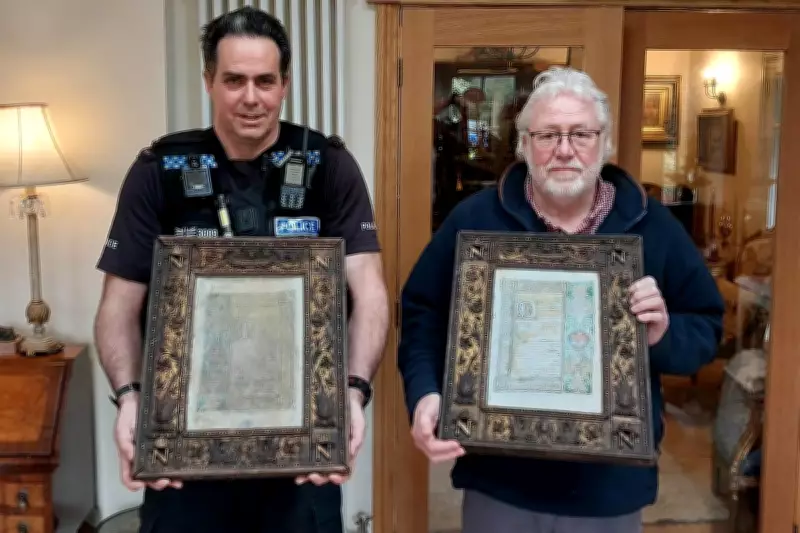
In a remarkable turn of events, two of three "priceless" 19th-century altar plaques, which were stolen from the crypt of Napoleon Bonaparte III at St Michael's Abbey in Farnborough, Hampshire, back in February 2014, have been successfully recovered and returned. This recovery was made possible thanks to the keen eye of an antiques dealer who identified the stolen items after watching an episode of the classic British TV show, Lovejoy.
How Lovejoy Led to the Discovery
Antiques dealer Paul Gostelow contacted Hampshire Constabulary after he recognised a distinctive motif on the plaques from an episode of the BBC comedy-drama series, Lovejoy. The show, which originally aired from 1986 to 1994, follows the adventures of a roguish antiques dealer, and it seems life imitated art in this case. Gostelow's familiarity with the programme allowed him to spot the unique design, prompting him to alert the authorities about the potentially stolen artefacts.
Historical Significance of the Plaques
The recovered plaques date back to the Napoleonic era and hold immense historical value. They were originally created by Empress Eugenie, who fashioned them from handwritten prayers found on her son, Napoleon, after his tragic death in the Zulu War. These items are not just antiques but are considered priceless pieces of heritage, deeply connected to European history and the legacy of the Bonaparte family.

Upon receiving the tip from Gostelow, Hampshire Constabulary's heritage crime specialist, PC Mark Webb, took charge of the investigation. Webb confirmed the authenticity of the plaques by cross-referencing them with the International Stolen Arts Register, ensuring they were indeed the missing items from the 2014 theft. Following verification, the two plaques were safely returned to St Michael's Abbey, where they are now set to undergo restoration to preserve their historical integrity.
Ongoing Efforts to Locate the Third Plaque
While this recovery marks a significant success, the investigation is far from over. The third altar plaque remains missing, and Hampshire Constabulary has confirmed that several lines of inquiry are actively being pursued to locate it. Authorities are hopeful that continued public awareness and further detective work will lead to its eventual return, completing the set of these invaluable historical artefacts.
This case highlights the importance of public vigilance and the unexpected ways in which popular culture, such as television shows, can play a role in solving real-world crimes. It also underscores the critical work of heritage crime specialists in protecting cultural treasures from theft and ensuring their preservation for future generations.






