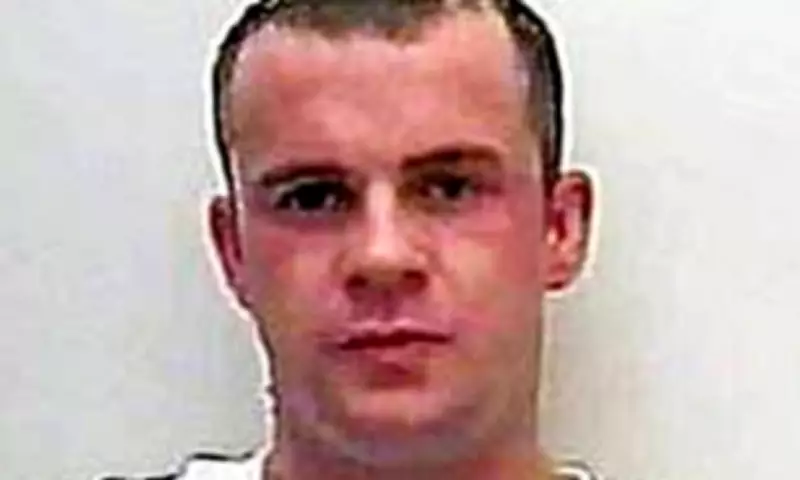
Cage Fighter Killer Dies in Prison as Investigation into Death Commences
A formal investigation has been initiated following the death of a cage fighter who was serving a life sentence for murdering two IRA enforcers during a violent dispute over drug debts. Thomas Haigh, aged 40, passed away last month while incarcerated at HMP Manchester, commonly referred to as Strangeways. The police watchdog has confirmed that an inquiry is now actively underway into the circumstances surrounding his death, although specific details have not yet been disclosed to the public.
Brutal Double Murder and Subsequent Conviction
Haigh, originally from Huddersfield in Yorkshire, was convicted in February 2012 for the horrific killings of David Griffiths, 35, from Berkshire, and Brett Flournoy, 31, from Merseyside. The murders occurred in June 2011 at a remote farm near St Austell in Cornwall, where Haigh shot both victims with a shotgun. Following the shootings, their bodies were burned inside a van and subsequently buried at the location. The trial revealed that Griffiths and Flournoy were gangland enforcers operating for an 'IRA gang' that controlled Liverpool's illegal drug trade.
During court proceedings, it emerged that the two enforcers had been pressuring Haigh to undertake a second trip to Brazil to collect cocaine when he ultimately killed them. An accomplice, Ross Stone, who was 28 at the time, was acquitted of the murders but received a five-year sentence after admitting to assisting in disposing of the bodies at his property, Sunny Corner Farm in Trenance Downs near St Austell. The remains were only discovered after Stone confessed to his involvement in the burial.

Financial Motives and Judicial Sentencing
Both Haigh and Stone owed the deceased men approximately £40,000 in drug-related debts, which fueled the fatal confrontation. At Truro Crown Court, Mr Justice Mackay sentenced Haigh, describing him as an 'arrogant young man' who had become overwhelmed by the criminal underworld. The judge emphasized that while the victims were involved in illicit activities, they did not deserve execution, stating, 'These were bad men but they were bad men with the right not to be killed because trading in drugs does not carry the death penalty.'
Haigh initially fled to Yorkshire after the murders before surrendering to authorities. The jury deliberated for less than three hours before finding him guilty on two counts of murder. Although Haigh later attempted to appeal his conviction, Court of Appeal judges dismissed his efforts in 2013, deeming them 'unarguable.' However, his minimum tariff before parole consideration was reduced from 35 years to 32 years.
Ongoing Investigation and Official Statements
Following Haigh's death on March 15, 2026, a Prison Service spokesperson informed the Manchester Evening News that the Prisons and Probation Ombudsman will conduct a thorough investigation, as is standard procedure for all deaths in custody. This probe aims to uncover the exact circumstances of his passing while incarcerated, adding another layer to the complex legacy of this high-profile criminal case.