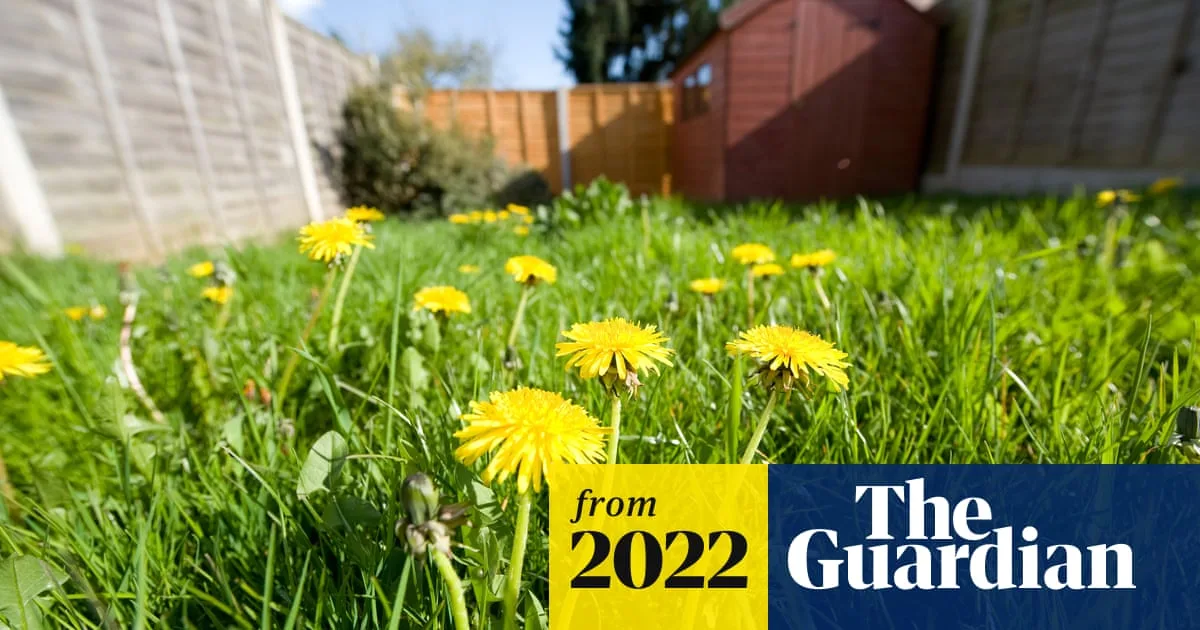
Gardeners are being urged once again by the charity Plantlife to keep their lawnmowers in the shed during No Mow May, allowing wild plants to thrive and provide nectar for insects. The call comes as new figures indicate a significant shift in attitudes towards lawn management.
The charity's annual Every Flower Counts survey, the largest study of UK garden lawns, found that 78.8 per cent of participants did not mow for a month before taking part in 2023, up from 33.6 per cent in 2019. More than 250 wild plant species were recorded, including rare finds such as adder's-tongue fern, meadow saxifrage, snakeshead fritillary and eyebright. Many orchids were also spotted, including the declining man orchid and green-winged orchid.
Ian Dunn, head of Plantlife, said: 'These results demonstrate that our call to No Mow May has set seed and laid down deep roots. Embracing a little more wildness in our gardens can be a boon for plants, butterflies and bees. We are excited by the unfolding dawn of a new British lawn.'
Plants often considered weeds, such as dandelions, should be welcomed, the charity added. Although outnumbered by daisies 85 to one on a typical lawn, dandelions produced 9 per cent of its pollen and 37 per cent of its nectar sugar. Just eight dandelion flowers may produce enough nectar sugar to meet an adult bumblebee's baseline energy needs, according to Plantlife. A 100 square metre area of unmowed lawn would produce enough pollen to stock six mining bee brood cells and enough nectar sugar for six bumblebees a day.
After May, Plantlife advises mowing less throughout the summer and leaving at least part of the garden untouched. Oli Wilson, a modeller at the National Plant Monitoring Scheme, explained: 'May is a crucial month for flowering plants, but we are not advocating never mowing after May. A layered approach, where shorter grass is complemented by areas of longer grass, boosts floral diversity and nectar and pollen production through the year.'