Péter Magyar Delivers Landslide Hungary Election Victory Speech
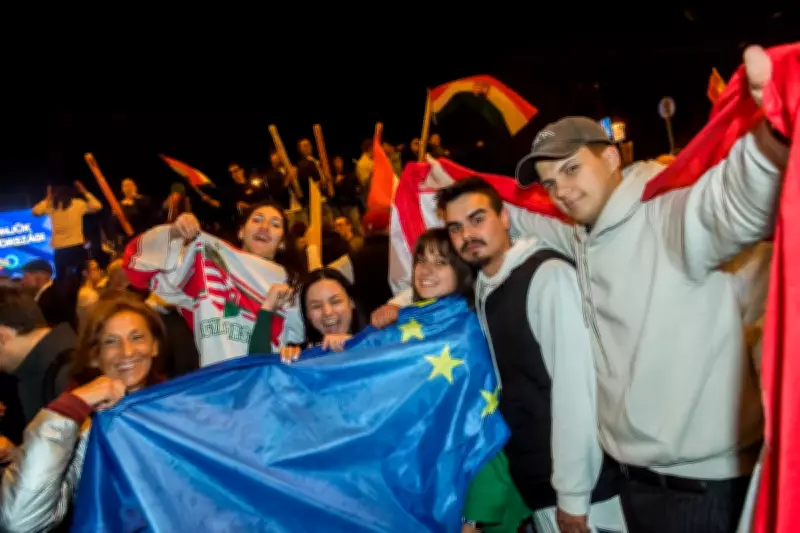
Péter Magyar has been elected as the Prime Minister of Hungary, securing a dramatic and historic victory against the long-serving leader Viktor Orbán. Magyar's Tiszaparty, a centre-right and pro-European political group, won Hungary's elections, overcoming Orbán's Fidesz party, which had held power for an impressive 16 years. This election marks a significant shift in Hungarian politics, with voters opting for change after nearly two decades of Fidesz rule.
Background and Political Journey of Péter Magyar
A 45-year-old lawyer hailing from a politically prominent family, Magyar was previously married to former Fidesz justice minister Judit Varga, with whom he shares three sons. His political career took a pivotal turn in 2024 when he broke from the Fidesz party following a scandal involving his then-wife and the controversial pardoning of an individual linked to a paedophile case. Magyar subsequently released a secret recording that alleged government interference, which fueled public outrage and bolstered his campaign against corruption.
Campaign Strategies and Key Promises
Magyar's campaign was characterized by extensive touring of the Hungarian countryside, where he connected with voters through grassroots efforts. His rallying cry, 'Now or never!', resonated deeply with citizens seeking reform. Key promises of his platform included tackling widespread corruption, improving the national economy, unlocking billions in EU funds that had been frozen due to concerns over democratic standards, and providing targeted support for Hungary's disadvantaged Roma community. These pledges addressed critical issues that had been points of contention under Orbán's administration.

Implications of the Election Outcome
The victory of Péter Magyar and the Tiszaparty signals a potential realignment in Hungarian politics, with implications for both domestic policy and international relations, particularly with the European Union. As Hungary's new leader, Magyar faces the challenge of delivering on his ambitious agenda while navigating a complex political landscape. His pro-European stance may lead to improved diplomatic ties and economic opportunities, but it also requires balancing the expectations of a diverse electorate that has long been divided.
This election result underscores the dynamic nature of democratic processes in Europe, highlighting how voter sentiment can shift dramatically in response to scandals and promises of reform. The coming months will be crucial as Magyar works to implement his vision for a more transparent and prosperous Hungary.