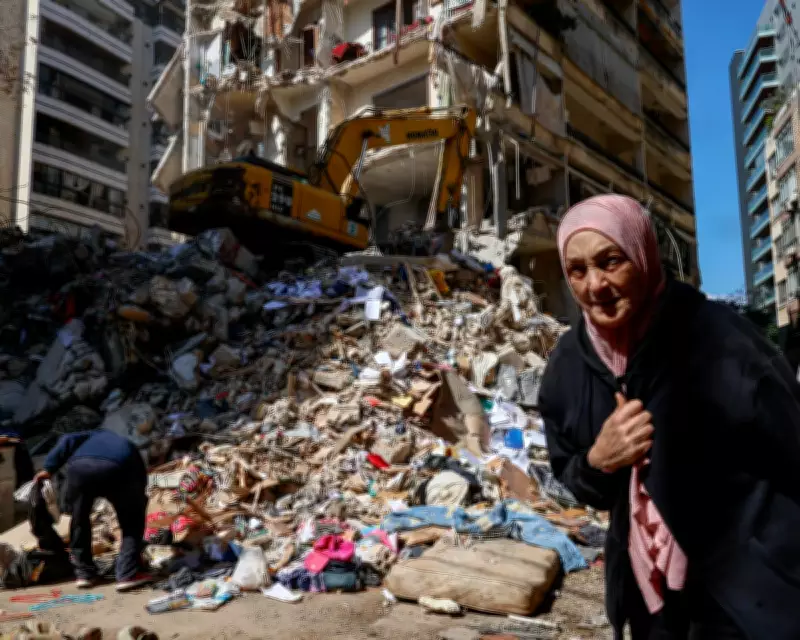
Western Inaction Over Gaza Conflict Sparks Regional Escalation with Iran and Lebanon
The ongoing conflict between the United States and Israel has reached a critical juncture, with Western silence on the Gaza situation now fueling heightened tensions across the Middle East. As military engagements intensify, the lack of decisive international intervention is not only prolonging the humanitarian crisis in Gaza but also drawing neighbouring nations like Iran and Lebanon deeper into the fray.
Escalating Tensions and Broader Implications
Recent developments indicate that the US-Israel war is no longer confined to its initial borders, with Iran and Lebanon increasingly involved in the regional dynamics. This escalation poses a significant threat to stability, as proxy conflicts and diplomatic standoffs multiply. The Western world's muted response, particularly regarding Gaza, has been criticised for enabling this dangerous expansion, undermining efforts towards a peaceful resolution.
Key factors contributing to the crisis include:

- Humanitarian neglect in Gaza, where civilian casualties and infrastructure damage continue unabated.
- Iran's strategic manoeuvres, leveraging the conflict to advance its regional influence through support for allied groups.
- Lebanon's precarious position, caught between internal political divisions and external pressures from the war.
The Role of Western Diplomacy and Future Risks
Analysts argue that Western silence is not merely a passive stance but an active factor in the conflict's escalation. By failing to address the root causes in Gaza, international powers have inadvertently created a vacuum that hostile actors are exploiting. This has led to increased military posturing, with the potential for direct confrontations between major powers and their allies.
Looking ahead, the situation demands urgent diplomatic engagement to prevent a full-scale regional war. Without coordinated action, the risks of further humanitarian disasters and geopolitical instability will only grow, affecting global security and economic interests.