US-Israeli Strikes Destroy Iran's Tallest Bridge, Killing Eight and Injuring 95
US-Israeli Strikes Destroy Iran's Tallest Bridge, Killing Eight

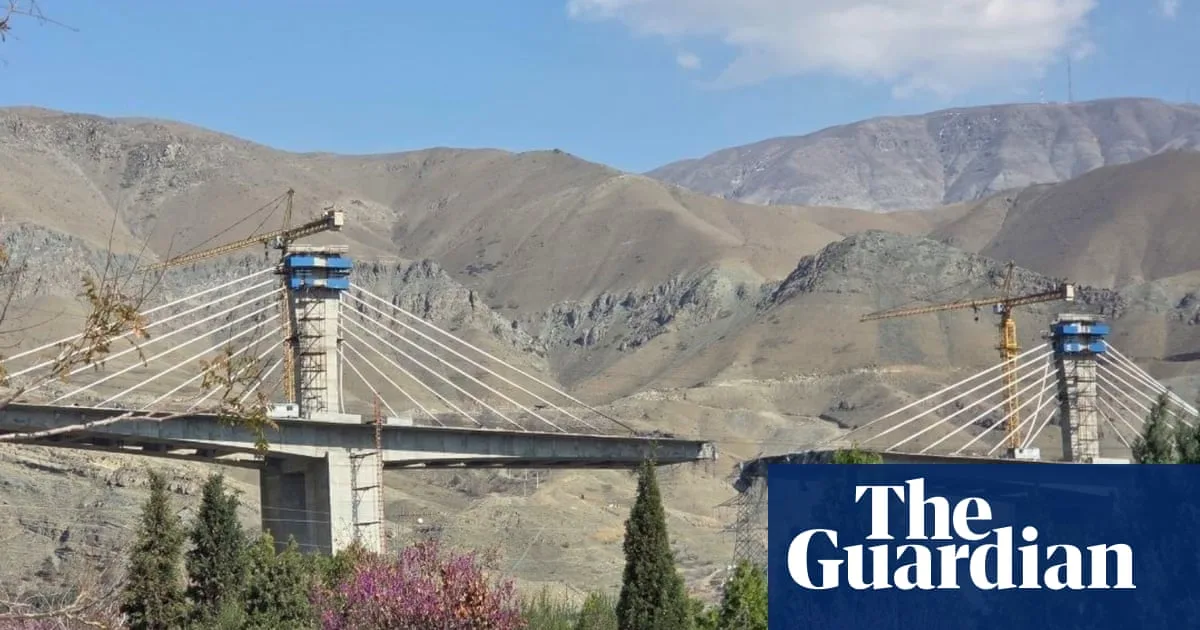
According to Iranian authorities, coordinated US-Israeli military strikes have resulted in the destruction of Iran's tallest bridge, with eight people confirmed dead and at least 95 injured. The attacks targeted the B1 bridge, a critical 136-metre structure linking Tehran with the western city of Karaj, in two separate waves on Thursday.

Escalation Following Trump's Threats

The strikes occurred after former US President Donald Trump publicly threatened to bomb Tehran 'back to the Stone Age', escalating tensions in the region. Iranian state media reported that the second wave of attacks hit while rescue forces were on the scene assisting the injured, exacerbating the humanitarian impact.

Footage and Damage Assessment

Video footage from the scene shows thick smoke lingering in the air before a massive explosion caused an even denser plume to rise skyward. The strikes inflicted major damage on the bridge, which is the tallest in the Middle East, leaving a gaping hole in the middle of the structure and severely disrupting transportation networks.

Wide Pickt banner — collaborative shopping lists app for Telegram, phone mockup with grocery list

Additional Targets and Iranian Response

The Iranian regime also claimed that bombs struck the capital on Thursday, including a 105-year-old medical facility, the Pasteur Institute of Iran. Dr Hossein Kermanpour, Iran's health ministry spokesman, condemned the aggression, stating, 'The assault on the Pasteur Institute, a century-old pillar of global health and member of the international Pasteur Network, is a direct assault on international health security.'

In response to the attacks, Iran issued a stark warning, declaring that bridges in Israel and throughout the Middle East have now become 'legitimate targets' for retaliation, raising fears of further regional escalation.

Trump's Address and Military Claims

The bridge destruction followed Trump's assurance to the US that the military was close to defeating Iran, with a pledge to bomb the Islamic Republic 'back to the Stone Ages'. During an address from the White House, Trump insisted that the military operation to prevent Iran from obtaining a nuclear weapon would not devolve into a 'forever war', unlike past US engagements in Iraq and Vietnam.

'We are going to hit them extremely hard over the next two to three weeks,' Trump declared, emphasising the US military's might and claiming that Americans no longer fear 'nuclear blackmail' from Tehran. He asserted, 'They were the bully of the Middle East, but they're the bully no longer. This is a true investment in your children's and your grandchildren's future.'

Conflict Duration and Iranian Resilience

Trump highlighted that the conflict with Iran had lasted only 32 days, contrasting it with prolonged wars in Iraq, Korea, Vietnam, and the World Wars. He claimed, 'We are in this military operation - so powerful, so brilliant - against one of the most powerful countries, for 32 days, and that country has been eviscerated and essentially is really no longer a threat.'

However, despite these assertions, Iran and its ally Hezbollah continued their attacks, launching rockets from Lebanon into Central Israel on Wednesday as Passover began and persisting into Thursday morning, as reported by The Times of Israel. This ongoing aggression underscores the complex and volatile nature of the regional conflict, with both sides demonstrating resilience and a willingness to engage in further hostilities.

Pickt after-article banner — collaborative shopping lists app with family illustration