Parallels Emerge Between US-Israel Iran Campaign and Russia's Ukraine Invasion
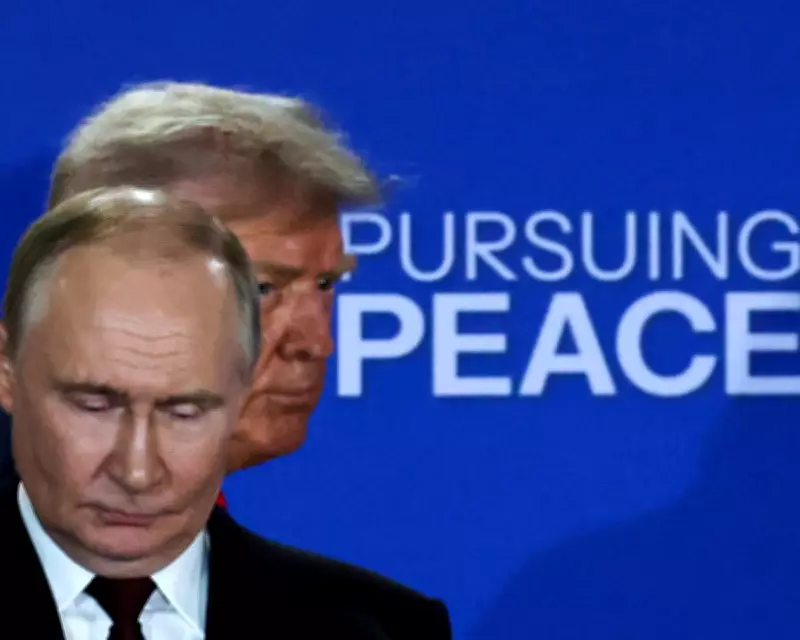
Shifting goals, unclear timelines, and flimsy pretexts: the US-Israel military campaign against Iran carries curious parallels to Vladimir Putin's invasion of Ukraine, according to recent analysis. While the contexts differ significantly, with Russia launching an unprovoked ground invasion of a democratic state in 2022, and the US largely limiting involvement to airstrikes against Iran's authoritarian regime, the echoes in strategy and rhetoric are hard to ignore.
Framing and Justification of Military Actions
In both conflicts, the aims have been framed differently at various moments, with legal justifications described as nonexistent by scholars. Early US statements positioned strikes as a response to prevent Iran from acquiring nuclear weapons, later emphasizing degrading missile capabilities and weakening military infrastructure supporting proxy networks. However, goals have become more maximalist, with Donald Trump advocating for regime change and unconditional surrender from Tehran.
Similarly, Russia's war in Ukraine saw repeated shifts in stated objectives. Initially framed as "demilitarisation and denazification" of Ukraine, interpreted as a push for regime change, the Kremlin later presented it as protecting Russian speakers and securing annexed territories.

Defensive Language and Reluctance to Label as War
Both sides have portrayed actions as defensive, citing dubious claims of preventing imminent threats. US Defence Secretary Pete Hegseth stated, "We didn't start this war, but under President Trump, we are finishing it," mirroring Putin's language from February 2022: "We didn't start the so-called war in Ukraine. We are trying to finish it."
Neither leader anticipated prolonged conflict. Putin believed the Ukraine war would last weeks, akin to the 2014 Crimea seizure, while Trump entered the confrontation buoyed by the capture of Venezuela's president. Tellingly, officials avoided describing actions as acts of war, expecting brevity. Putin still calls it a "special military operation," enforced by censorship, and US House Speaker Mike Johnson referred to it as a "limited operation," sparking jokes comparing it to Tolstoy's "War and Peace."
Political and Media Reactions
The reaction of political and media elites shows further parallels. Much of the Russian establishment, initially horrified by the Ukraine invasion, fell into line, arguing Putin should finish what he started. In the US, commentators who criticised Russia's invasion struggled to maintain clarity when their own country went to war. Former US Ambassador to Moscow Michael McFaul wrote on X, "Once our presidents make a decision to go to war, even when I disagree... I still want our armed forces to win."
Future Risks and Strategic Warnings
The question now is whether the US can avoid pitfalls that ensnared Russia in Ukraine. Media reports suggest Trump raised sending elite troops into Iran to secure enriched uranium stockpiles, reminiscent of Russia's risky airborne operation near Kyiv that resulted in heavy losses. Danny Citrinowicz of the Atlantic Council cautioned that overly ambitious goals can lead to attrition wars, urging clear, realistic objectives. Retired Russian diplomat Vladimir Frolov responded drily, "Sounds familiar," highlighting the ongoing parallels.