US-Iran Peace Talks Collapse After 21-Hour Marathon in Pakistan
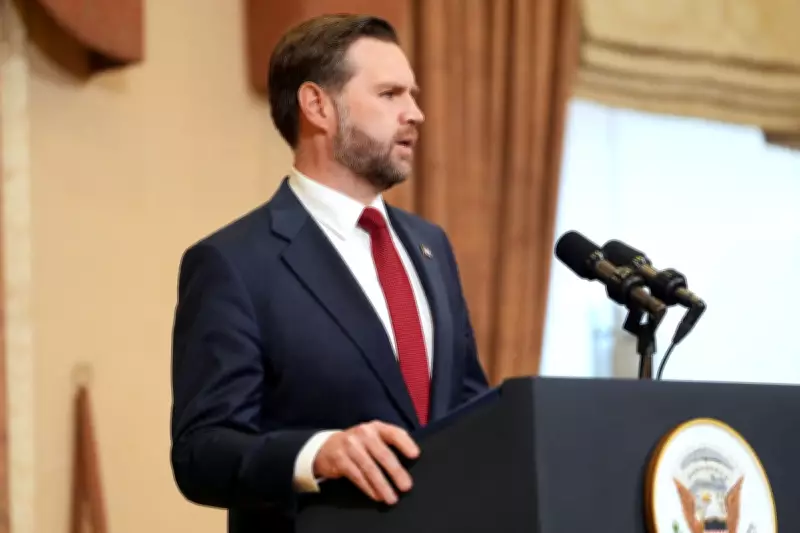
High-stakes peace negotiations between the United States and Iran have ended in failure after a gruelling 21-hour session in Islamabad, Pakistan. US Vice President JD Vance confirmed the breakdown, stating that no agreement was reached to halt the bloody six-week conflict or reopen the critical Strait of Hormuz.
Vance Points Finger at Iranian Intransigence
Speaking at a press conference on Sunday morning local time, Vance placed the blame squarely on Tehran. "The bad news is that we have not reached an agreement and I think that's bad news for Iran, much more than it's bad news for the United States of America," he declared. The core stumbling block, according to Vance, was Iran's unwillingness to provide a long-term, verifiable commitment to forgo nuclear weapons development.
"We need to see an affirmative commitment that they will not seek a nuclear weapon, and they will not seek the tools that would enable them to quickly achieve a nuclear weapon," Vance explained, adding that Washington had presented "quite flexible" terms which were ultimately rejected.

Iran Cites 'Mistrust' and US 'Overreach'
Iranian officials offered a starkly different narrative, attributing the failure to excessive American demands and a poisoned atmosphere. A foreign ministry spokesperson described the talks as being conducted in an "atmosphere of mistrust," calling it unrealistic to expect a deal in a single round.
"We reached agreement on a number of points in the talks, but views differed on two important issues, and it did not lead to agreement," the spokesperson stated. Iranian media sources went further, accusing the US of using the negotiations merely to "save face" internationally after military stalemate and of demonstrating "overreach and ambitions." Key unresolved disputes included control of the Strait of Hormuz, sanctions relief, and Iran's nuclear rights.
Marathon Negotiations and Regional Fallout
The talks, which stretched overnight and involved multiple draft exchanges between large delegations, were hosted by Pakistan in a bid to mediate. A senior US official, speaking anonymously, confirmed the negotiations had continued into the early hours. Despite the intense effort, no plans are currently in place for a resumption of dialogue.
Iran said it would continue consultations with Pakistan and "other friends" in the region. The collapse occurs amid a backdrop of heightened tensions, including a US intelligence assessment reported by CNN suggesting China may have recently supplied shoulder-fired missiles to Iran via third countries, though no evidence confirms their use against US or Israeli forces.
Political Context and Reactions
The failure comes despite the personal involvement of high-profile US figures including Vance, special envoy Steve Witkoff, and Jared Kushner. Notably, former President Donald Trump, whose administration's policies heavily shaped the current conflict, stated it "makes no difference" to him if a deal was reached, and was photographed attending a UFC event in Miami during the talks.
The breakdown leaves the six-week war unresolved, with significant implications for global oil supplies due to the continued closure of the Strait of Hormuz and deepening geopolitical fissures in the Middle East and beyond.