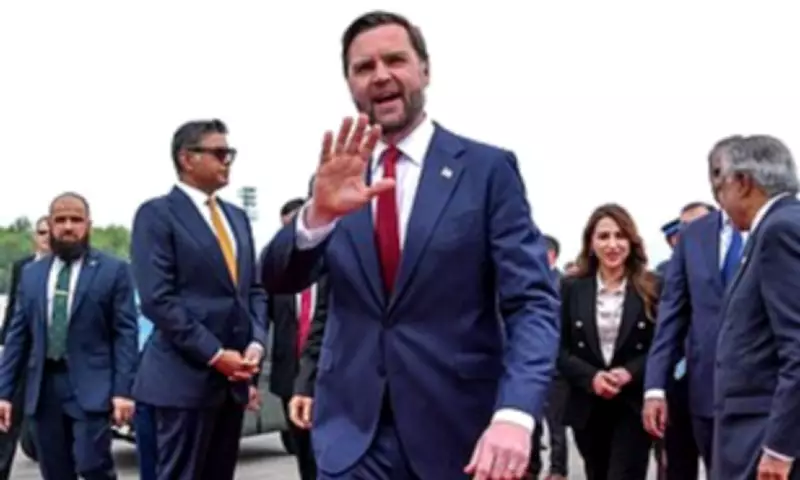
US-Iran Peace Talks Conclude Without Agreement After Marathon Session
High-stakes peace negotiations between the United States and Iran have concluded after an intensive 21-hour session without reaching a deal, according to official sources. The talks, aimed at resolving long-standing tensions and reviving nuclear agreements, ended in a stalemate as both sides failed to bridge key differences.
Senator JD Vance Comments on Tehran's Rejection
Republican Senator JD Vance, a vocal critic of the negotiations, stated that Tehran did not accept the final offer presented by US diplomats. Vance emphasised that Iran's refusal highlights ongoing challenges in diplomatic efforts to curb its nuclear ambitions and address regional security concerns. His remarks underscore the political divisions in Washington regarding engagement with Iran.
Details of the Negotiations and Sticking Points
The marathon talks, held in a neutral location, involved senior officials from both nations discussing issues such as sanctions relief, nuclear enrichment limits, and regional proxy activities. Despite extended discussions, sources indicate that disagreements over verification mechanisms and economic concessions proved insurmountable. The lack of a deal leaves previous agreements in limbo and raises questions about future diplomatic strategies.

Implications for International Relations and Security
The failure to secure an agreement has significant implications for global stability, potentially escalating tensions in the Middle East. Analysts warn that without a diplomatic breakthrough, risks of increased military posturing or renewed sanctions could emerge. The outcome also impacts allied nations involved in the process, who had hoped for a resolution to ease regional conflicts.
This development marks another chapter in the protracted US-Iran relations, with both sides now evaluating next steps amid ongoing geopolitical uncertainties.