Historic US-Iran Peace Talks Commence in Islamabad with Pakistan as Mediator
In a landmark diplomatic event, peace negotiations between the United States and Iran have officially begun in Islamabad, marking the first direct high-level meeting between the two nations since 1979. The talks are being facilitated by Pakistan, which is playing a crucial mediating role in an effort to broker a comprehensive peace deal amid ongoing regional tensions.
Key Delegations and Opening Discussions
The American delegation is led by US Vice-President JD Vance, while Iran's team is headed by Parliamentary Speaker Mohammad Bagher Ghalibaf and Foreign Minister Abbas Araghchi. Pakistani state television confirmed that officials from both countries were "sitting directly at the same table," a significant departure from previous negotiations where teams were often based separately. The White House later verified this arrangement, noting that discussions started in a positive atmosphere despite continuing hostilities in Lebanon.
According to political sources, the initial round of talks lasted approximately two hours, followed by a second session focused on more technical matters. These technical discussions were divided into key topics, with a primary emphasis on security issues, financial arrangements, and the strategic Strait of Hormuz. Pakistan's Army Chief, Field Marshal Asim Munir, was also present in the room, leveraging his reported good relationship with former US President Donald Trump and his instrumental role in brokering a ceasefire earlier in the week.

Pre-Talk Demands and US Stance
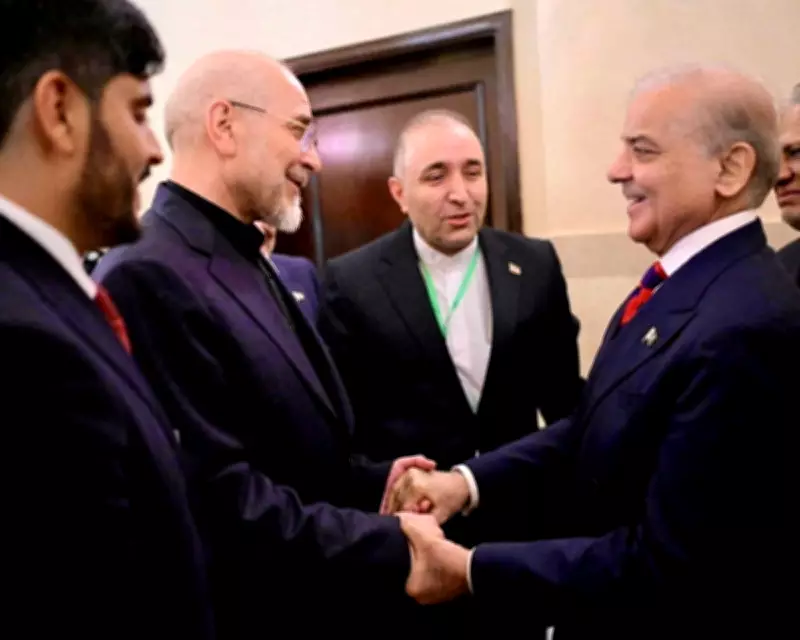
Prior to the main negotiations, Iranian representatives held a preliminary meeting with Pakistani mediators led by Prime Minister Shehbaz Sharif. During this session, Iran demanded a ceasefire in Lebanon, reparations, and a commitment to unblock frozen assets as part of any potential peace agreement. However, the US delegation arrived with a firm warning against manipulation. Upon his arrival, Vice-President Vance stated, "If they're going to try to play us, then they're going to find the negotiating team is not that receptive," underscoring Washington's resolve not to be swayed by a weakened Tehran.
The talks are set to include a dinner hosted by Prime Minister Shehbaz Sharif at his residence, providing an informal setting for further dialogue. This gathering follows a meeting between Vance and Sharif, highlighting Pakistan's active involvement in the process.
Regional Context and Military Actions
The negotiations occur against a backdrop of intense military activity. Israel, which is not participating in the talks, reported bombing 200 Hezbollah targets in southern Lebanon over the past 24 hours, resulting in casualties and displacement. Hezbollah retaliated with rocket attacks on northern Israeli cities. Former President Trump claimed that the US had begun clearing mines in the Strait of Hormuz, sinking Iranian vessels during a recent bombing campaign, though Iran denied these assertions and threatened to attack any US warship crossing the strait within 30 minutes.
US Central Command confirmed efforts to establish a safe maritime passage in the Strait of Hormuz, while Qatar announced a resumption of navigation for all vessels, pending safety protocols. Israeli Prime Minister Benjamin Netanyahu asserted that joint US-Israeli operations had successfully crippled Iran's nuclear and missile programs, yet he expressed openness to peace talks with Lebanon, despite refusing to negotiate a ceasefire with Hezbollah.
Internal and External Dynamics
Within Lebanon, internal tensions are escalating as Hezbollah supporters staged protests against the negotiations, waving flags and images of late leader Hassan Nasrallah. The Lebanese army has deployed troops to maintain stability, warning against destabilisation at this critical juncture. Disagreements over engaging with Israel threaten to further fracture the country, with Hezbollah viewing the government increasingly confrontationally.

Meanwhile, other members of the US negotiating team include Steve Witkoff, Trump's personal envoy, and Jared Kushner, the president's son-in-law, though Kushner holds no formal White House position. Pakistani officials expressed optimism, noting that both delegations arrived with full authority from their capitals and had stepped back from extreme positions. Reports suggested China might offer guarantees to secure a deal, but Pakistani sources clarified that a Chinese delegation had not flown in, as the ambassador remains in constant contact.
Future Prospects and Additional Talks
Looking ahead, direct talks between Lebanese and Israeli ambassadors are scheduled in Washington at the US State Department, focusing on declaring a ceasefire and initiating negotiations under US auspices. The Israeli ambassador confirmed that formal peace talks with Lebanon are set to begin soon, though Israel remains adamant about not engaging with Hezbollah. As the world watches closely, these Islamabad talks represent a pivotal moment in regional diplomacy, with the potential to reshape Middle Eastern geopolitics and bring an end to prolonged conflict.