Ukraine Endures Record Drone Onslaught as War Enters Fifth Year
Russia has launched its most severe drone attack of the conflict this month, with over 500 kamikaze weapons targeting Ukrainian civilians overnight. March marked the worst month for drone assaults since the war began, now in its fifth year, underscoring the relentless brutality faced by Ukraine.
The Kremlin continues to assert control over regions like Luhansk, though these claims are widely disputed. Meanwhile, Ukrainian civilians bear the brunt of Putin's mounting frustration, as the conflict shows no signs of abating.
Zelensky's Cautious Optimism Amidst the Carnage
In a significant development, Ukrainian President Volodymyr Zelensky, known for his measured statements rather than hyperbole, has declared that the frontline situation is improving. He stated, "The frontline is looking better than it has in ten months." This assessment cannot be taken lightly, given Zelensky's firsthand experience of the war's hardships.

When Zelensky speaks of green shoots of hope emerging despite the devastation, it warrants serious attention. His words suggest a potential shift in momentum, even as Ukraine grapples with unprecedented aerial threats.
Russia's Strategic Failures and Human Cost
Russia's military strategy has increasingly focused on hammering civilian populations, a tactic that has proven strategically ineffective. This destructive doctrine has failed to break the will of the Ukrainian people or its armed forces.
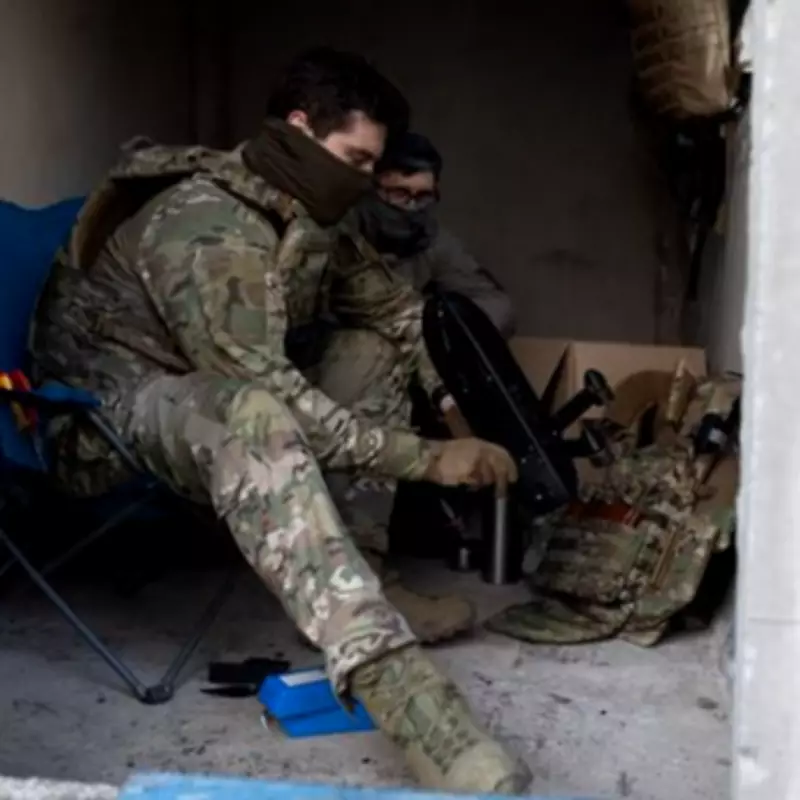
Moreover, Russia has suffered staggering losses on the battlefield. Commanders have thrown waves of recruits into the appallingly named "meat grinder" frontline, often incurring over 1,000 casualties in a single day. This relentless attrition highlights the human toll of Putin's campaign.
- Russia held the initiative throughout 2025, but its progress has been glacial.
- Ukrainian attacks on Russia's energy exports, which fund the war, have been highly damaging.
- Putin's desperation is evident in the escalation of drone attacks as warmer weather approaches.
External Challenges: The Iran War and Global Politics
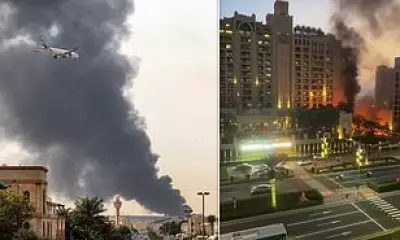
Ukraine faces significant external hurdles. The war in Iran has diverted weapons and defensive missiles to the Gulf, straining resources that might otherwise support Ukraine. Zelensky himself warned, "The longer the war in the Middle East lasts, the greater the threat of us not receiving weapons."
Additionally, geopolitical shifts, such as Donald Trump's pivot towards the Kremlin and his involvement in the Iran conflict, have introduced new complexities. While the Iran war has boosted oil prices and led to a relaxation of some US sanctions, benefiting Russia, the overall impact on Ukraine remains negative.
Conclusion: A Turning Tide?
Despite enduring the worst drone attacks of the war and facing resource diversion due to the Iran conflict, Ukraine is showing resilience. Zelensky's optimistic frontline assessment, coupled with Russia's strategic missteps and heavy losses, suggests that Ukraine may be turning the tables on Moscow.
As the conflict heads into a period of increased tempo with warmer weather, the dynamics on the ground are evolving. While challenges persist, there are signs that Ukraine's steadfast defense and strategic counterattacks are beginning to yield results, offering a glimmer of hope in a prolonged and brutal war.