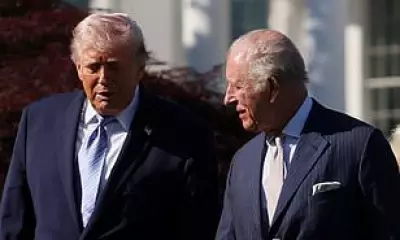
Prime Minister Keir Starmer has firmly rejected the idea of the UK responding with retaliatory tariffs against the United States, following provocative threats from former President Donald Trump.
Trump's Tariff Ultimatum Over Greenland
The situation escalated after Donald Trump threatened to impose tariffs on Nato allies unless they supported his controversial plan to acquire Greenland. This move, which echoes historical failed attempts to purchase the autonomous Danish territory, has sent shockwaves through diplomatic circles.
Addressing the media at an emergency press conference, the new Prime Minister was unequivocal in his response. Keir Starmer stated that engaging in a tit-for-tat trade war by matching Trump's proposed tariffs would be the "wrong thing to do". His comments signal a deliberate strategy of de-escalation from the UK government, opting for diplomatic channels over immediate economic confrontation.

Strategic Restraint and Diplomatic Implications
Starmer's swift dismissal of retaliatory measures underscores a calculated approach to transatlantic relations during a period of heightened uncertainty. By ruling out tariffs, the UK government aims to position itself as a stable and responsible actor, contrasting with Trump's volatile trade policy announcements.
This stance also has significant implications for the European Union and broader European unity. As a key Nato member and a nation navigating its post-Brexit trade landscape, the UK's refusal to retaliate could set a precedent for how allies manage unilateral economic threats from the US. The decision prioritises the preservation of long-term strategic alliances over short-term political point-scoring.
The Guardian's senior political correspondent, Peter Walker, provided further insight into the political calculus behind Starmer's announcement, highlighting the risks of entering a trade dispute with a major economic partner.
Looking Ahead: Trade and Alliance Stability
The episode places a stark spotlight on the fragility of international trade norms and alliance politics. While the UK has chosen not to retaliate, the underlying threat from the former US president raises profound questions about the future of Nato cohesion and economic security.
Starmer's government is now faced with the complex task of defending the UK's economic interests while maintaining a crucial security partnership, all against the backdrop of an unpredictable US election cycle. The Prime Minister's restrained response may be the opening move in a much longer and more delicate diplomatic game.