The United Kingdom is spearheading an urgent international effort to break Iran's blockade of the strategically crucial Strait of Hormuz, a maritime chokepoint responsible for transporting one-fifth of the world's oil and natural gas supplies. Foreign Secretary Yvette Cooper has convened an emergency virtual meeting involving thirty-five nations scheduled for Thursday, aiming to coordinate a response to Tehran's actions which have already triggered a dramatic surge in global oil prices.
Diplomatic and Military Measures Under Consideration
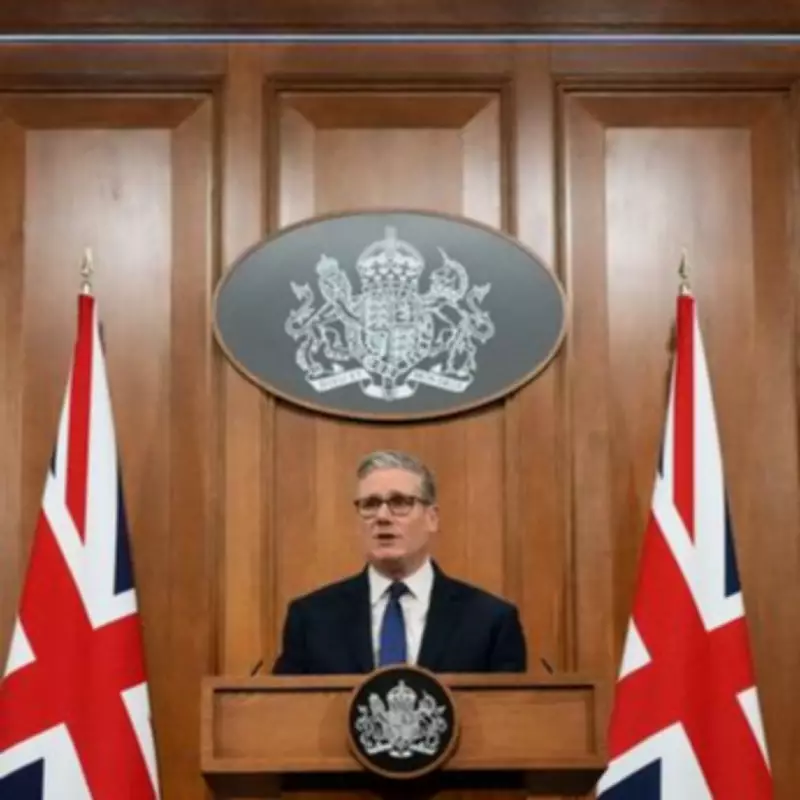
Prime Minister Keir Starmer has publicly acknowledged the severe challenge ahead, stating that securing the waterway "will not be easy." During a Downing Street press conference, Starmer outlined the government's multifaceted approach. "We will assess all viable diplomatic and political measures we can take to restore freedom of navigation, guarantee the safety of trapped ships and seafarers, and to resume the movement of vital commodities," he declared.
Following the diplomatic talks, military planners from allied nations will be convened to explore operational options for reopening the Strait and ensuring its long-term security once hostilities cease. The Prime Minister was candid about the complexities involved, levelling with the British public about the difficult path forward.

Trump's Provocative Stance and NATO Tensions
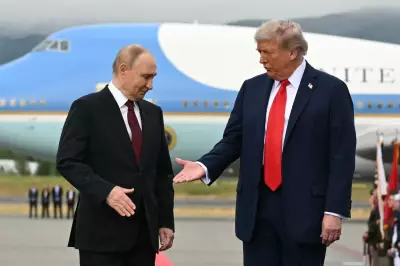
The crisis unfolds against a backdrop of heightened transatlantic tensions, exacerbated by comments from former US President Donald Trump. Trump has indicated he would take no role in resolving the situation he is accused of instigating, instead suggesting allies like the UK must "build up some delayed courage, go to the Strait, and just TAKE IT."
In a further provocative move, Trump renewed threats to withdraw the United States from the NATO alliance in an interview with The Telegraph, describing the organization as a "paper tiger." Prime Minister Starmer forcefully rebutted this characterization, reaffirming the UK's unwavering commitment to NATO as "the single most effective military alliance the world has ever seen." In a pointed swipe at Trump, Starmer added, "Whatever the pressure on me and others, whatever the noise, I am going to act in the British national interest in all the decisions I make."
Reevaluating UK-EU Relations Post-Brexit
The Prime Minister used the crisis to argue for a strategic recalibration of Britain's foreign policy, emphasizing the need for closer ties with European partners. "It is increasingly clear that as the world continues down this volatile path, our long-term national interest requires closer partnership with our allies in Europe and with the European Union," Starmer stated.
He echoed Chancellor Rachel Reeves's assessment that Brexit inflicted "deep damage" on the UK economy, suggesting that opportunities to bolster security and reduce living costs through European cooperation are now too significant to overlook. However, Starmer insisted the government remains committed to its manifesto pledge not to rejoin the EU's single market or customs union, while underlining a new drive for enhanced collaboration on security and economic matters.
Economic Fallout and National Resilience
Chancellor Rachel Reeves expressed frank anger at Donald Trump's role in sparking the Middle East conflict, telling the BBC, "I'm angry that Donald Trump has chosen to go to war in the Middle East - a war that there's not a clear plan of how to get out of it." She acknowledged the inevitable implications for the UK economy, detailing efforts to secure alternative oil and gas supplies to stabilize prices.
Prime Minister Starmer sought to project confidence and long-term planning amidst the turmoil. He warned that the Iran conflict would have a profound impact on the UK for decades but asserted the nation is "well placed" to weather the storm. "We will make Britain a fairer and more secure country because that hope is what is needed as the country comes together and because how we emerge from this crisis will define us for a generation," he concluded, outlining a vision for national resilience in the face of a defining geopolitical and economic challenge.