Trump Issues Dire Warning to Iran Over Strait of Hormuz Closure
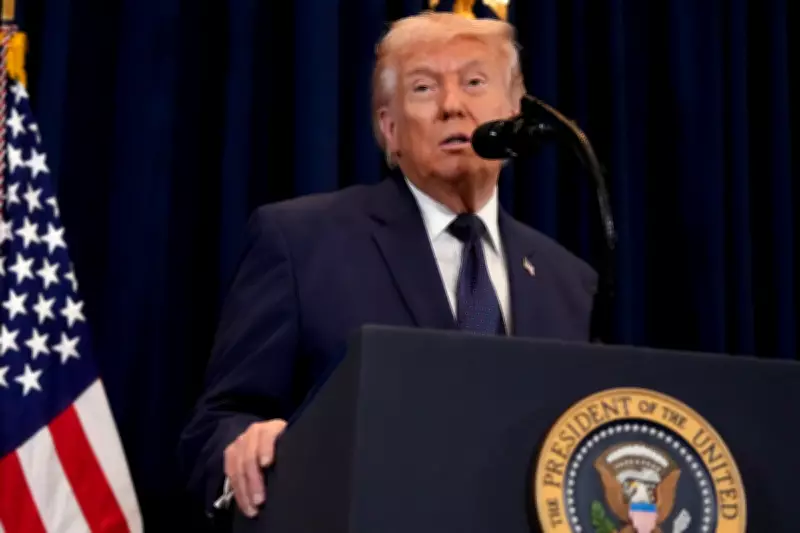
Former US President Donald Trump has issued a stark threat to Iran, vowing to unleash "death, fire, and fury" if the nation does not allow oil shipments to resume through the strategically vital Strait of Hormuz. In a post on his Truth Social platform, Trump declared that the United States would inflict severe damage on Iran should it fail to fully reopen this critical sea lane.
Iran's Control and Global Economic Impact
Iran has asserted "complete control" over the Strait of Hormuz, effectively declaring it closed and threatening to attack any passing ships. This aggressive stance has led to a dramatic reduction in maritime traffic through the strait, which is a key chokepoint for global oil supplies. Consequently, crude oil prices have surged above $110 per barrel, sparking fears of widespread economic disruption.
Trump escalated his rhetoric by stating that the US would hit Iran "TWENTY TIMES HARDER" than in previous engagements and destroy targets to such an extent that it would be "virtually impossible" for the nation to rebuild. This threat comes amid an ongoing, undeclared conflict that has lasted for 11 days and has already resulted in casualties on both sides.

Broader Implications and Analyst Warnings
Analysts are warning of potentially disastrous consequences if the Strait of Hormuz remains closed. The closure could severely impact global economic stability and food supplies, as the strait is essential for the transportation of not only oil but also other vital commodities. The situation underscores the high stakes involved in this geopolitical standoff.
Key points to consider:
- The Strait of Hormuz is a critical passage for approximately one-fifth of the world's oil supply.
- Iran's actions have directly contributed to the spike in oil prices, affecting markets worldwide.
- Trump's threats highlight the volatile nature of US-Iran relations and the potential for further escalation.
As tensions continue to mount, the international community is closely monitoring developments, with many urging diplomatic solutions to prevent a full-scale conflict that could have far-reaching repercussions.