
The United States launched a fresh wave of airstrikes against Iran on Thursday, prompting retaliatory Iranian strikes targeting Bahrain, Kuwait, and Jordan. The escalation follows President Donald Trump's warning that Tehran would 'pay the price' for stalled negotiations.
The new US assault, described as more intense and wider than previous attacks, struck locations including Tehran, Bandar Abbas, and other areas near the Strait of Hormuz. Iran has not released details of damage. The strikes are the second consecutive day of US-Iran fire, following a downed US Apache helicopter over the Strait of Hormuz, which Washington blames on Tehran.
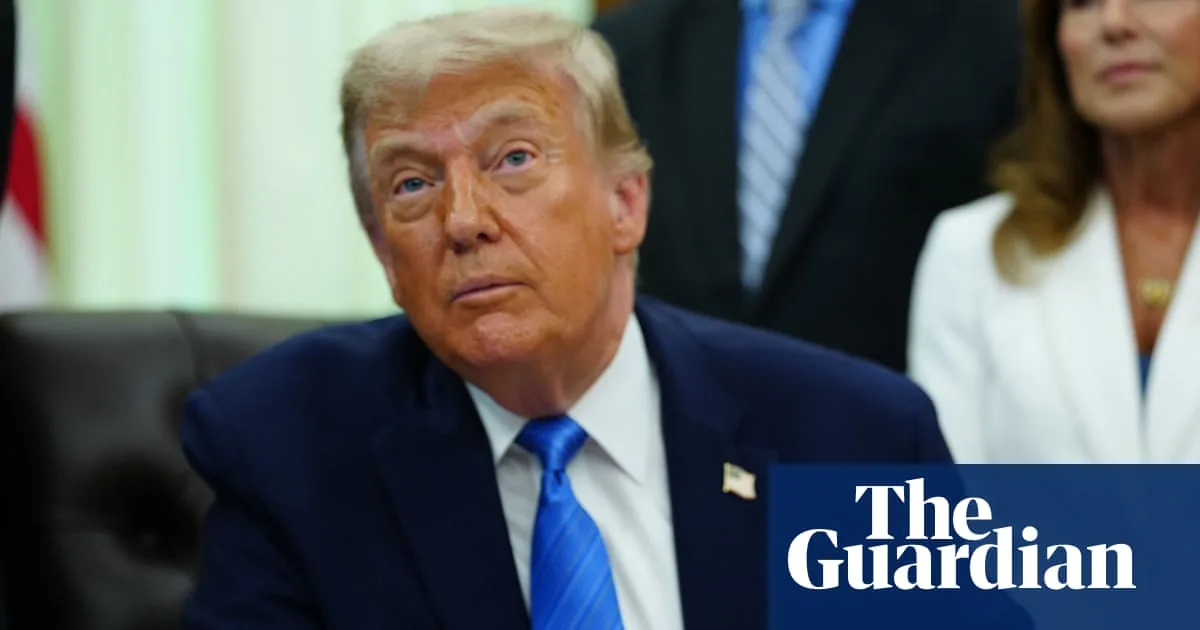
Trump told reporters on Wednesday, 'We hit them hard yesterday and we’re going to hit them hard again today.' He accused Iranian negotiators of 'playing us for suckers' and claimed the US has been extracting 'millions of barrels of oil' from Iran nightly, keeping global prices between $85 and $90 per barrel.
The two-month-old ceasefire now appears close to collapse, with talks stalling for weeks. Iran insists on maintaining control of the Strait of Hormuz, lifting sanctions, and unfreezing assets. Trump demands that any deal prevent Iran from developing nuclear weapons. Mediators from Qatar arrived in Tehran on Wednesday to de-escalate tensions.
Iranian state media reported that earlier US strikes hit two reservoirs in southern Iran, leaving 20,000 residents without water. Meanwhile, UK maritime security firm Ambrey said two crew members of a tanker were missing and one injured after a suspected US missile strike enforcing a blockade on Iran's shipping routes.




