South Korea Vows Crackdown on BTS Ticket Resellers with Seats on Sale for £5,240
South Korea has pledged a robust crackdown on ticket scalping after police uncovered more than 1,800 online resale listings for BTS's forthcoming concert and arrested members of a network accused of making over £3 million in illicit profits. This news emerges less than two weeks ahead of the K-pop boy group's first live performance as a full unit in four years.
BTS Comeback and Concert Details
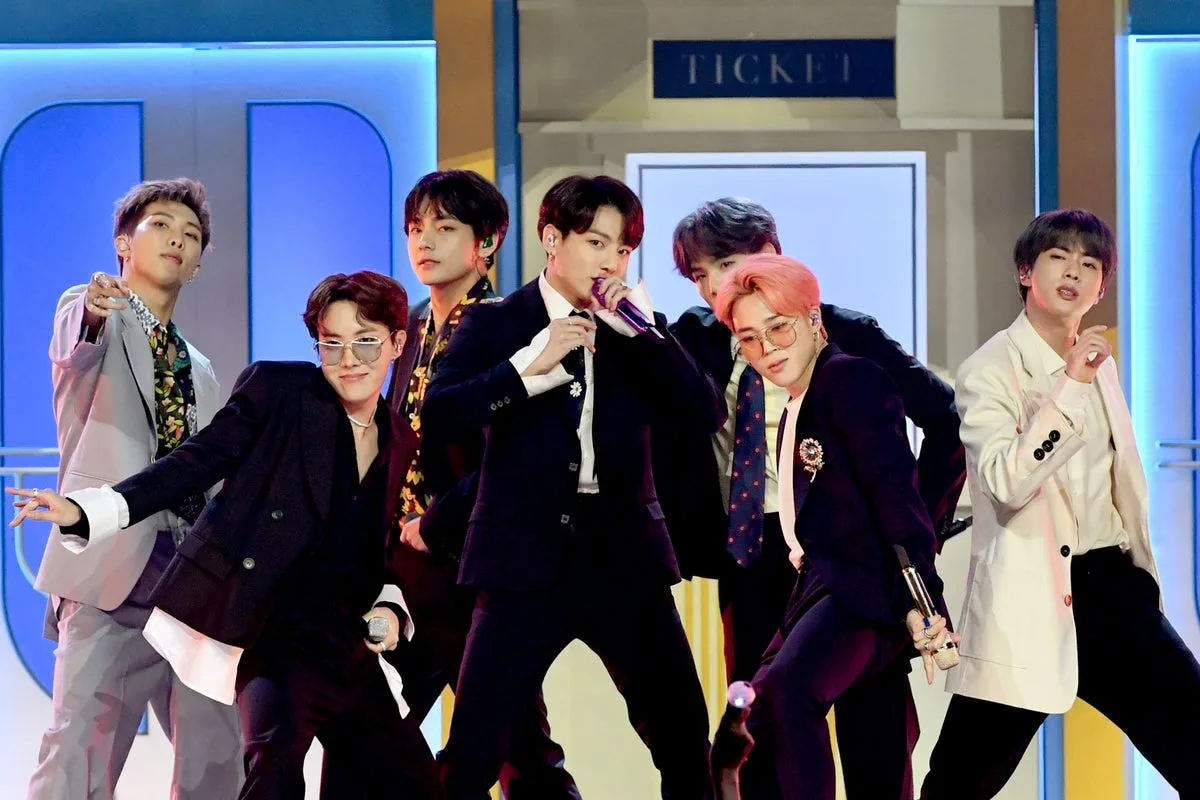
The septet, composed of RM, Jin, Suga, J-Hope, Jimin, V, and Jung Kook, was on hiatus since 2022 while the members completed their mandatory military service. The outdoor concert is set to take place in Seoul's historic Gwanghwamun Square on 21 March, a day after the group's new album, Arirang, is released. The concert will be livestreamed on Netflix, and the new album release will be followed by an 82-show world tour covering 34 cities in 23 countries between April 2026 and March 2027.
Intense Scramble for Tickets and Scalping Issues
The comeback concerts have triggered an intense scramble for tickets among fans in South Korea and abroad, creating fertile ground for scalpers and fraudsters. Tickets for all three BTS shows set to take place in April in Goyang, northwest of the capital Seoul, sold out almost immediately during fan club presales. However, resale listings soon appeared with prices nearly 40 times the original. The most expensive tickets were officially priced at 264,000 won (£133), but according to Korea JoongAng Daily, resale tickets for seats closest to the main stage were listed at extremely inflated prices of around 10.37 million won (£5,240), with other tickets going up to more than 10 million won (£5,053).
Government Action and Legal Measures
On Wednesday, South Korea's ministry of culture said it had taken legal action against people suspected of illegally reselling tickets for the BTS performances after monitoring major online reselling websites like Junggonara and Ticketbay for scalping activity, according to The Korea Herald. The ministry detected 1,868 posts advertising BTS concert tickets for resale between 23 January, when reservations opened, and 9 March. Among the listings, officials identified four suspected cases involving a total of 105 tickets being offered at inflated prices and referred them to the National Police Agency for investigation.
Culture minister Choi Hwi Young stated, "Ticket scalping disrupts the fair distribution of performances and exploits the genuine passion of fans for popular culture. Starting with this investigation request, we will continue taking firm action until illegal ticket sales are eradicated and a fair viewing culture is established." He added, "Scalping will disappear if there are no buyers," urging fans to only buy through official channels.
Anti-Scalping Measures and Security Protocols
Authorities have warned that even fans who buy resold tickets may not be able to enter the concerts because of strict anti-scalping measures. Tickets for the Gwanghwamun performance will be issued as mobile QR codes that cannot be captured by screenshot or reused. All attendees will be required to present a government-issued ID that matches the name on the ticket and wear a non-transferable wristband inside the venue. Random identity checks may also be conducted during the event.
Police Investigations and Criminal Cases
The crackdown comes as police investigate multiple criminal cases linked to the forthcoming concerts. Seoul Metropolitan police chief Park Jeong Bo said on Monday that the police were examining three cases involving ticket fraud and the use of automated "macro" programmes to obtain tickets in bulk before reselling them at higher prices, according to The Korea Times. Macro programmes are automated scripts that rapidly refresh ticketing sites and make purchases, allowing scalpers to secure large numbers of tickets as soon as sales open. Their use to buy tickets for resale is illegal under South Korean law.
A police source told Chosun Daily, "Some members, initially K-pop fans looking for idol concerts, discovered the existence of macros and transitioned to full-time scalping after realising the profit potential." Park said investigators had already identified more than 110 suspicious online posts linked to ticket scams and asked digital platforms to remove them. Victims reported losing between 150,000 won (£75) and 300,000 won (£151) to fraudulent listings pretending to be legitimate ticket sales.
Recent Arrests and Illegal Profits
The cyber investigation unit of the Gyeonggi Bukbu police said on Wednesday it had apprehended 16 suspected scalpers who allegedly used macro programmes, according to Korea JoongAng Daily. The group made about 7.1 billion won (£3.5 million) in illegal profits between October 2022 and early 2026 by reselling tickets for as much as 25 times their original price. In one case, tickets purchased at around 200,000 won (£101) were resold for up to 5 million won (£2,527). Officials have said the problem has grown alongside the explosion in demand for K-pop concerts, particularly those involving BTS, one of the world's most commercially successful music acts. The Gwanghwamun concert alone is expected to draw more than 260,000 fans.
Legislative Changes and Future Enforcement
South Korea amended the Public Performance Act and the National Sports Promotion Act in January to ban all unfair ticket transactions, including those carried out using automated programs. Under the laws, set to take effect from 28 August, violators may face fines of up to 50 times the value of the ticket sale. The culture ministry has also created a public-private taskforce made up of government agencies, ticketing companies, and online marketplaces to monitor illegal ticket sales. The national tax service said last year it had begun targeting large-scale K-pop ticket resellers operating as multimillion-dollar businesses, as part of a broader crackdown on illicit income generated through ticket scalping.






