Shifting Justifications Emerge as US-Israel War on Iran Enters Critical Phase
United States Secretary of State Marco Rubio has asserted that Saturday's strikes on Iran constituted a pre-emptive action, motivated by intelligence indicating an imminent Israeli attack that would have provoked retaliation against American forces. "We knew that if we didn't pre-emptively go after them before they launched those attacks, we would suffer higher casualties," Rubio informed reporters, marking a departure from earlier justifications provided by former President Donald Trump and Defence Secretary Pete Hegseth.
Conflicting Timelines and Escalating Rhetoric
Rubio further warned that the "hardest hits" are yet to come from the US military, stating, "The next phase will be even more punishing on Iran than it is right now." In contrast, Israeli Prime Minister Benjamin Netanyahu indicated that the war against Iran may require "some time" but will not extend into years. He clarified to Fox News, "I said it could be quick and decisive. It may take some time, but it's not going to take years. It's not an endless war."
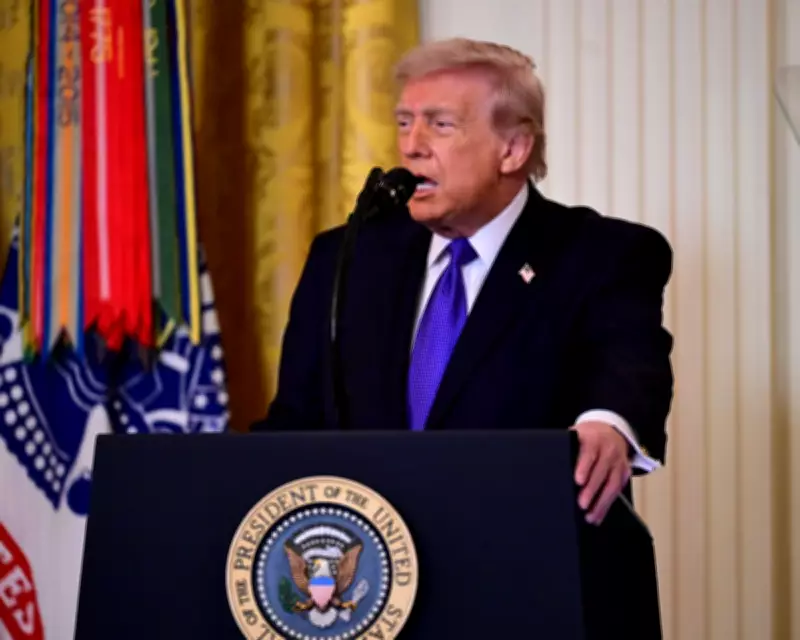
However, Donald Trump has signalled that US strikes on Iran could persist much longer than initially projected. He originally estimated the conflict would last four to five weeks but conceded it might extend further, subsequently advocating for a broad, open-ended engagement. Trump outlined four primary objectives for the offensive: "First, we're destroying Iran's missile capabilities … Second, we're annihilating their navy... Third, we're ensuring that the world's number-one sponsor of terror can never obtain a nuclear weapon. Finally we are ensuring the Iranian regime can't continue to arm, fund and direct terrorist armies outside of their borders."

Regional Fallout and Evacuation Warnings
The US embassy in Riyadh, Saudi Arabia, was struck by a drone attack, igniting a fire, as the State Department urgently advised American citizens to depart from over a dozen Middle Eastern nations, including Saudi Arabia and the UAE. Mora Namdar, Assistant Secretary for Consular Affairs, emphasised that individuals should utilise available commercial transport "due to safety risks," noting that the US has not arranged evacuation flights.
Confusion surrounds the status of navigation in the Strait of Hormuz after a general in Iran's Revolutionary Guards threatened to "burn any ship" attempting to traverse this crucial route for oil and gas shipments. Nevertheless, US Central Command confirmed via Fox News that the strait remains open.
Military Actions and Mounting Casualties
The Israeli military initiated a new wave of strikes on Tehran early Tuesday, following evacuation alerts for residents near the headquarters of Iran's state broadcaster IRIB. Simultaneously, Israel's forces worked to intercept a fresh missile barrage from Iran, issuing shelter directives across multiple locations.
Casualty figures continue to climb, with the Iranian Red Crescent Society reporting at least 555 fatalities across Iran. However, the Norway-based human rights organisation Hengaw updated the death toll to approximately 1,500 by day three, comprising 200 civilians and 1,300 Iranian forces personnel. White House Press Secretary Karoline Leavitt announced that "49 of the most senior Iranian regime leaders," including Supreme Leader Ali Khamenei, have been killed in the strikes, declaring that "killing terrorists is good for America." The US military confirmed six American service members have died in Iran, with over 1,250 targets struck since operations commenced on Saturday.
International Response and Legal Concerns
UK Prime Minister Keir Starmer articulated that his government does not "believe in regime change from the skies," explaining to Parliament why Britain will not participate in offensive actions against Iran, suggesting such involvement would be unlawful. This stance highlights the complex international dynamics and legal considerations surrounding the escalating conflict.