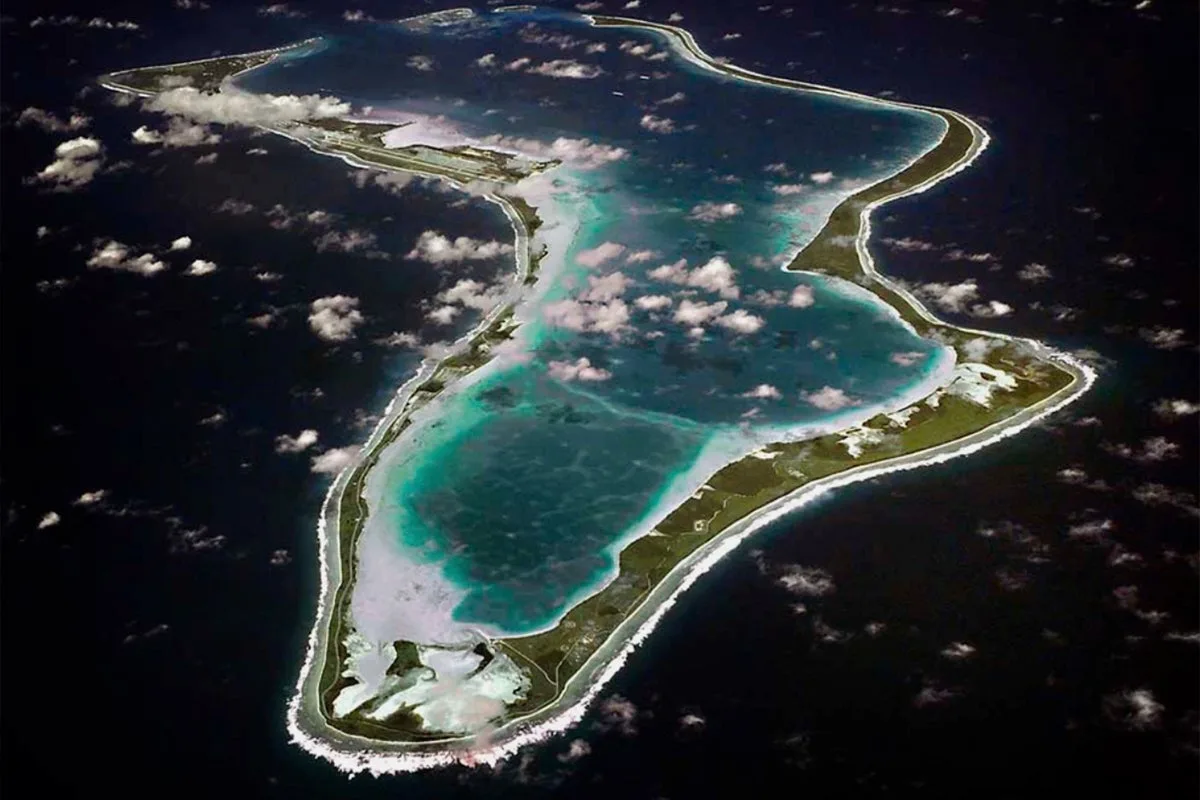
Ukraine's President Volodymyr Zelensky has claimed that Russian spy satellites photographed a joint UK-US military base on Diego Garcia shortly after Iran launched two ballistic missiles at the site. In a post on X, Zelensky stated that the images were taken 'in the interests of Iran', alongside surveillance of other bases in the Middle East housing American and British troops.
The Iranian attack on Diego Garcia, which occurred before March 24, saw two ballistic missiles fired at the base, around 3,800km away. One missile failed in flight while the other was shot down by the US Navy, according to reports. Zelensky said he received an intelligence briefing on Saturday detailing Russian satellite activity between March 24 and 26, which included images of facilities in Kuwait, Saudi Arabia, Turkey, and Qatar.
The Ministry of Defence had previously indicated it was 'highly likely' that Russia shared intelligence with Iran even before the outbreak of war last month. Zelensky's latest revelation escalates concerns about cooperation between Tehran and Moscow. He questioned: 'But who is helping whom when sanctions are lifted from an aggressor that earns daily revenue and provides intelligence for strikes against American, Middle Eastern, UK, and US–UK bases and so on?'
Diego Garcia has become a flashpoint in transatlantic relations after Prime Minister Sir Keir Starmer initially refused the US permission to launch bombing raids against Iran from the base. He subsequently allowed Washington to use the base for limited strikes against Iranian drone and missile sites threatening British interests and, following Tehran's attempt to hit Diego Garcia, other sites targeting shipping in the Strait of Hormuz.
Meanwhile, UK ministers face pressure to cancel a planned rise in fuel duty amid rising petrol prices and warnings of shortages following Iran's blockade of the Strait of Hormuz. Education Secretary Bridget Phillipson declined to confirm whether the Government would proceed with the increase, which will see fuel duty rise by 1p per litre in September and another 2p in December. She told Sky News: 'For now, there is no need to take action, because consumers can know when they go to the pump that freeze remains in place.'