The Illusion of Negotiations
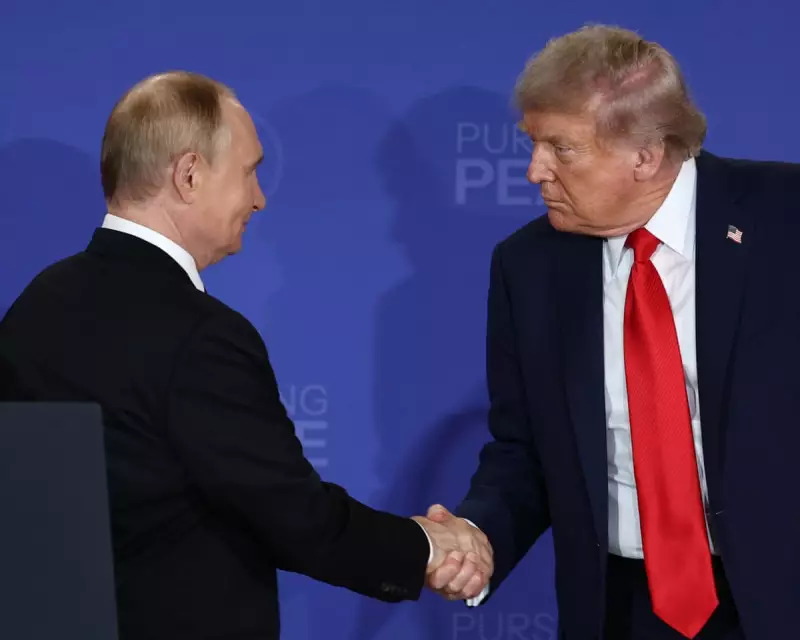
Donald Trump's self-imposed Thanksgiving deadline for securing a Ukraine peace agreement passed quietly this week, revealing the stark reality behind Moscow's diplomatic manoeuvres. Russia expert Mark Galeotti identified a crucial insight into Kremlin strategy within the government newspaper Rossiyskaya Gazeta, where a Putin-aligned foreign policy scholar openly admitted: "As long as hostilities continue, leverage remains. As soon as they cease, Russia finds itself alone... in the face of coordinated political and diplomatic pressure."
Putin's True Objectives
The Russian president has demonstrated no genuine interest in ceasefire negotiations that would uphold Ukraine's sovereignty. Instead, Vladimir Putin seeks nothing less than the capitulation and political reabsorption of Ukraine into Moscow's sphere of influence. Whether this objective is achieved through brutal battlefield attrition or via a Trump-brokered agreement forced upon Kyiv appears to be merely a tactical consideration for the Kremlin leader.
On Thursday, President Putin reiterated his uncompromising demand for Ukraine to surrender additional eastern territories, bluntly stating that the alternative would involve losing these regions through "force of arms". In a move undermining potential negotiations, he again described Volodymyr Zelenskyy's government as "illegitimate" and questioned whether any future agreement would be legally binding.
The simultaneous Kremlin suggestion that a US-Ukraine peace plan could "be the basis for future agreements" appears entirely disingenuous when contrasted with these statements. This proposal, developed as a counter to White House initiatives that closely mirrored Kremlin talking points, reportedly establishes cessation of fighting as a prerequisite for territorial discussions - precisely the sequencing that Moscow remains determined to avoid.
Europe's Critical Role in Countering Kremlin Strategy
The resignation of President Zelenskyy's chief of staff, Andriy Yermak, following the launch of an anti-corruption investigation, represents particularly damaging political turbulence at a precarious moment for Ukraine. This development further reduces the likelihood that Putin will contemplate concessions he has never seriously considered.
Meanwhile, Europe bears responsibility for preventing a disastrous imposed settlement that would permanently weaken Ukraine against future Russian aggression, jeopardise European security, and embolden authoritarian regimes worldwide. Although Russian forces continue making incremental gains in eastern Ukraine, their advance remains painfully slow and comes at enormous cost.
By demonstrating commitment to providing Kyiv with sufficient financial and military resources for medium-term resistance, European leaders can fundamentally alter current negotiation dynamics. Whether this support comes through reparations loans backed by frozen Russian assets, EU budget allocations, or collective borrowing by member states, this assistance must be resolved urgently after months of delay.
A clear signal must be sent to both Moscow and Washington that Europe will steadfastly defend Ukraine's right to a just peace. As the Kremlin pursues leverage through the battlefields of eastern Ukraine and within White House corridors, Volodymyr Zelenskyy desperately requires countervailing leverage of his own.