Putin's Pre-Talk Assault: Massive Barrage Targets Ukrainian Energy Infrastructure
Russian President Vladimir Putin ordered a devastating drone and missile assault on Ukraine mere hours before crucial peace talks were scheduled to commence in Geneva. This coordinated strike involved a staggering volley of over 400 weapons, deliberately targeting civilian energy facilities as the nation battles bitterly cold winter temperatures.
Details of the Overnight Assault
The overnight attack included eight Iskander ballistic missiles, twenty Kh-101 air-launched cruise missiles, one guided bomb, and an overwhelming 396 attack drones. Ukrainian air defenses managed to intercept more than seventy percent of the missiles and a significant number of drones, yet the assault still caused severe damage to critical infrastructure.
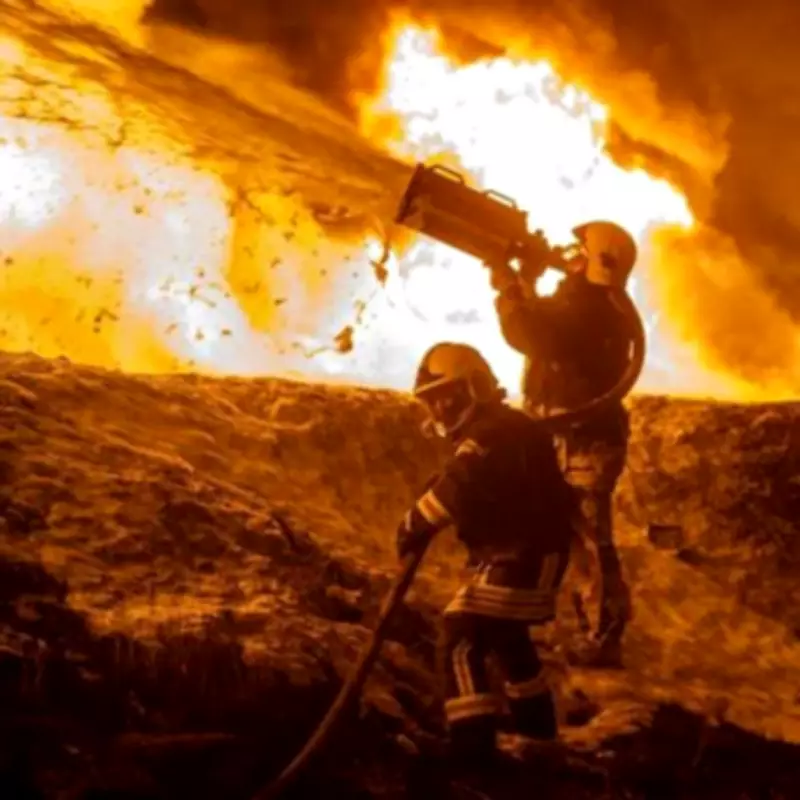
The southern port city of Odesa bore the brunt of the offensive, with drones striking civilian infrastructure and energy depots, resulting in injuries to two people. Ukraine's primary energy company, DTEK, reported extremely serious damage, noting that repairs would require considerable time to restore equipment to operational status.

Widespread Targeting Across Ukraine
Attacks were not confined to Odesa. The Dnipropetrovsk region experienced combined missile, drone, artillery, and aerial bomb assaults, damaging private enterprises, administrative buildings, residential homes, and vehicles in Dnipro. Additionally, an industrial facility in Kryvyi Rih, the hometown of Ukrainian President Volodymyr Zelensky, was hit.
Western Ukraine also faced bombardment, with this morning's barrage largely concentrated on critical infrastructure. Recent intelligence from western sources indicates a massive escalation in Russian drone incursions, with an astonishing 55,000 drones deployed on one-way missions into Ukraine, though not all were armed with explosives.
Strategic Deception and Humanitarian Impact
A security source revealed that many of these drones served as decoys, potentially overwhelming or diverting vital air defenses and making subsequent attacks more deadly. This tactic underscores the Kremlin's repeated attempts to weaponize plummeting temperatures, aiming to freeze ordinary Ukrainian families by crippling their energy supply during the harsh winter.
President Zelensky condemned the strike as a combined assault specifically calculated to inflict maximum damage on Ukraine's energy sector. He emphasized the need for partners to respond decisively, stating, "Russia must be held accountable for aggression. Our diplomacy will be more effective if there is justice and strength." Zelensky reiterated calls for increased sanctions on Russia and sustained support for Ukraine's armed forces to achieve a real and just peace.
Political Context and Peace Negotiations
The timing of this assault is particularly provocative, occurring as Ukrainian delegates arrived in Geneva for talks expected to address security and humanitarian issues. Rustem Umerov, Secretary of Ukraine's National Security and Defense Council, affirmed Ukraine's commitment to achieving a sustainable peace, with previous meetings having taken place in Abu Dhabi.
Meanwhile, a senior UK source disclosed that approximately seventy percent of ordinary Russians do not support the war, and the grim realities of the frontline are increasingly permeating daily life in Russia. The source also suggested that Putin is being misled about the successes of his troops in Ukraine.
As negotiations proceed, the international community watches closely, with Ukraine urging stronger pressure on Moscow to end the aggression that continues to claim lives and devastate infrastructure.